Pablo Picasso: From a Málaga Childhood to a New Way of Seeing
Period
Modern art, 1881–1912
Place
Málaga and Barcelona, Spain; Paris and Sorgues, France
Born in Málaga on October 25, 1881, Pablo Picasso became one of the most influential artists of the twentieth century. Five archival images and artworks follow his birthplace, Paris years and Cubist breakthrough.
Pablo Ruiz Picasso was born in Málaga, Spain, on October 25, 1881. The son of an art teacher, he began drawing long before his name became synonymous with modern art. A later generation would know him through Cubism, Guernica and a career that seemed to move through one artistic language after another. The photographs tell a more grounded story: a boy from southern Spain who became a young painter in Barcelona and Paris before the world knew what to call the changes he was making.
His father, José Ruiz Blasco, taught drawing. The family moved to A Coruña and later to Barcelona, where Picasso received formal instruction but quickly pursued his own interests. In 1900, he first traveled to Paris. He encountered a city alive with experiments in painting and found artists and writers who encouraged a break with convention. His Blue Period emerged in the early 1900s, followed by the warmer Rose Period.
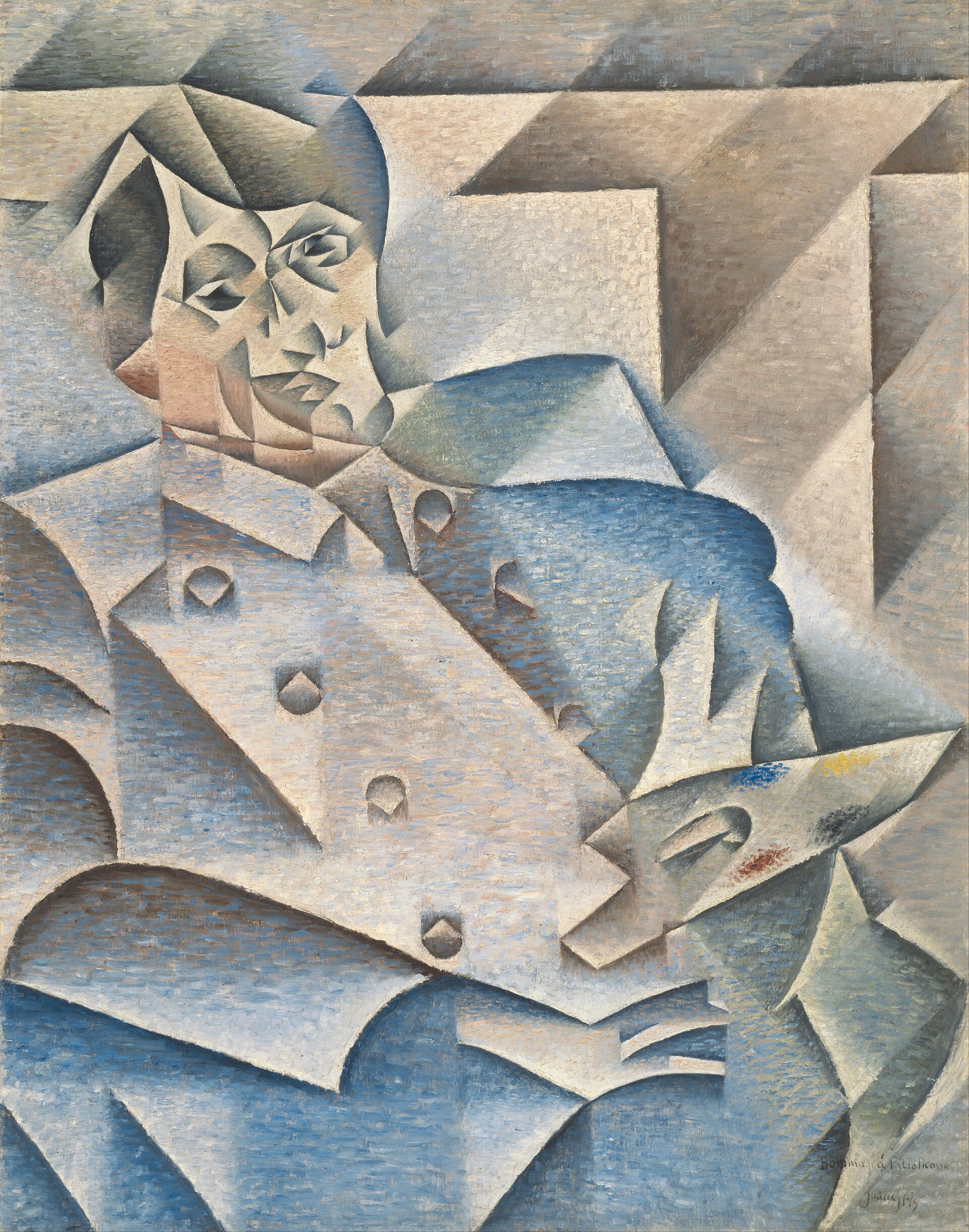
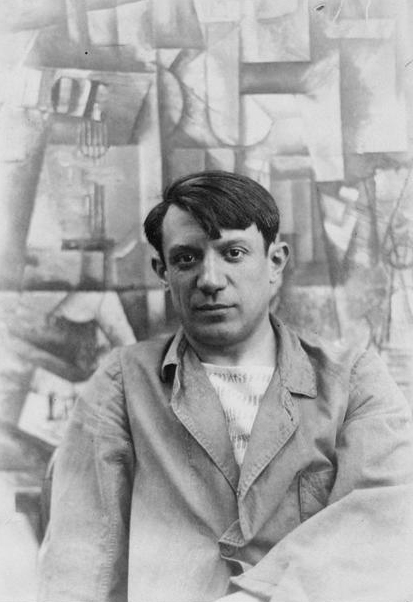
By 1907 and 1908 Picasso and Georges Braque were taking paintings apart and rebuilding them in fragmented planes. The work that would come to be called Cubism changed how modern artists represented space and objects. The archival portrait and studio photograph here belong to that crucial moment. Juan Gris's 1912 portrait of Picasso shows how fellow artists interpreted him through a similarly fractured visual language.
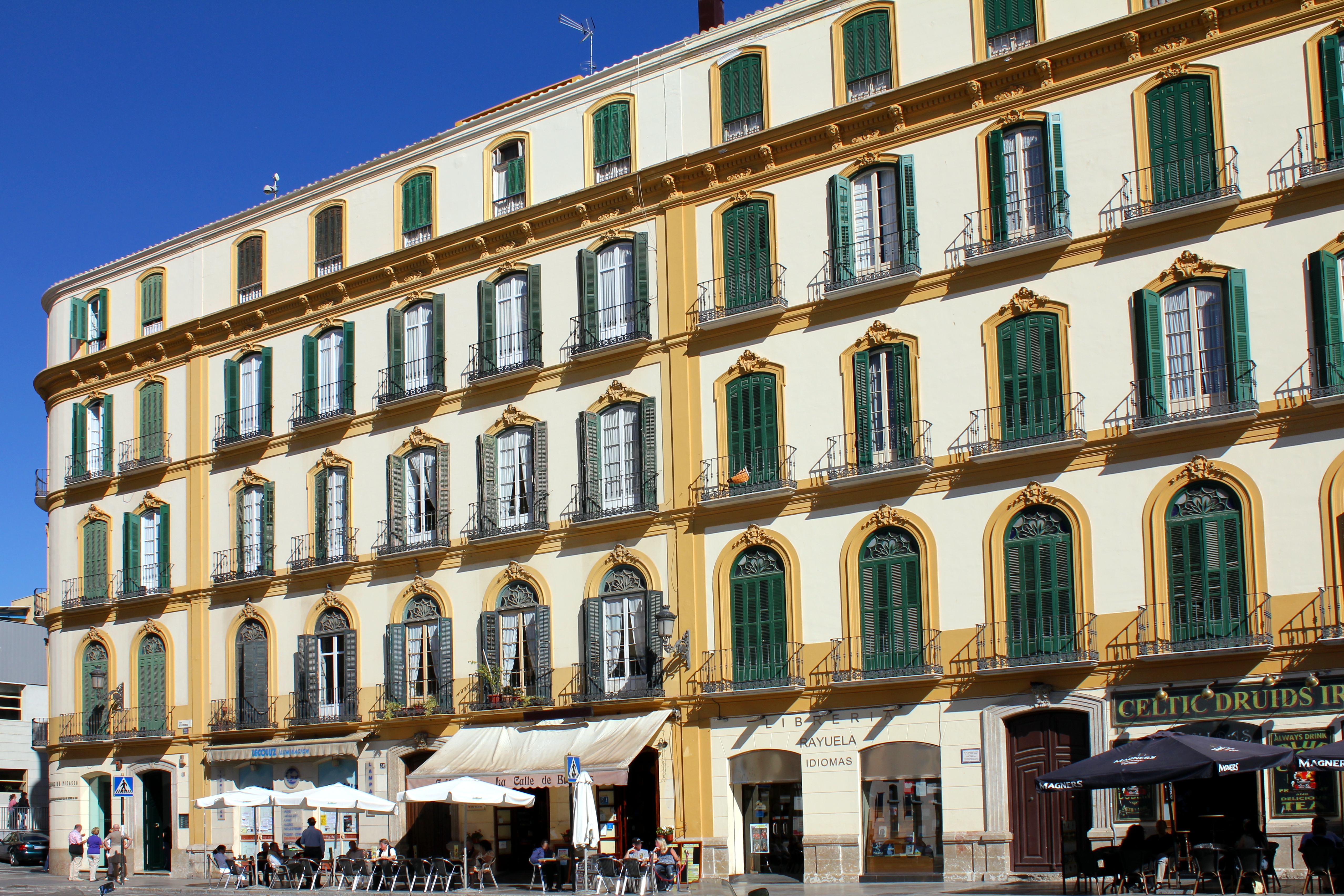
The photograph of his birth house was taken more than a century after 1881. No photograph in this collection should be mistaken for an image of his birth. The later pictures trace the transformation between a family home in Málaga and the influential Paris-based artist Picasso had become by 1912. He worked across painting, sculpture, printmaking and ceramics until his death in 1973.
Historical references: Musée national Picasso-Paris, Picasso timeline and childhood biography; The Metropolitan Museum of Art, “Pablo Picasso (1881–1973).”
Topic: Pablo Picasso; modern art; Cubism; biography
01 / 05
Picasso’s birthplace in Málaga, photographed in 2010
The house at Plaza de la Merced, 15, in Málaga, where Pablo Picasso was born on October 25, 1881. The building survives as a museum. This photograph was taken in November 2010; it is not an image from Picasso’s childhood. Picasso’s father, José Ruiz Blasco, taught drawing, and the family later moved to A Coruña and Barcelona.
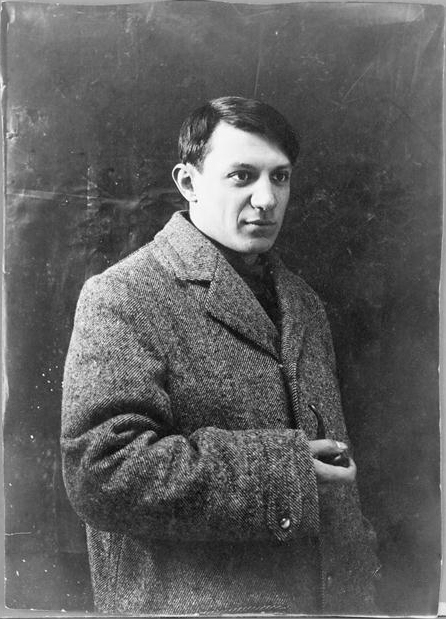
An early portrait of Picasso in 1908, when he was developing a radical new visual language in Paris. A year earlier, he had painted Les Demoiselles d’Avignon, and his experiments with Georges Braque would become central to Cubism. This image is from 1908, twenty-seven years after his birth.
Photo details
Date
1908
Location
Paris, France (photograph associated with the Paris years)
Unknown photographer / Wikimedia Commons / Public domain mark
03 / 05
Inside Picasso’s Montmartre studio, 1908
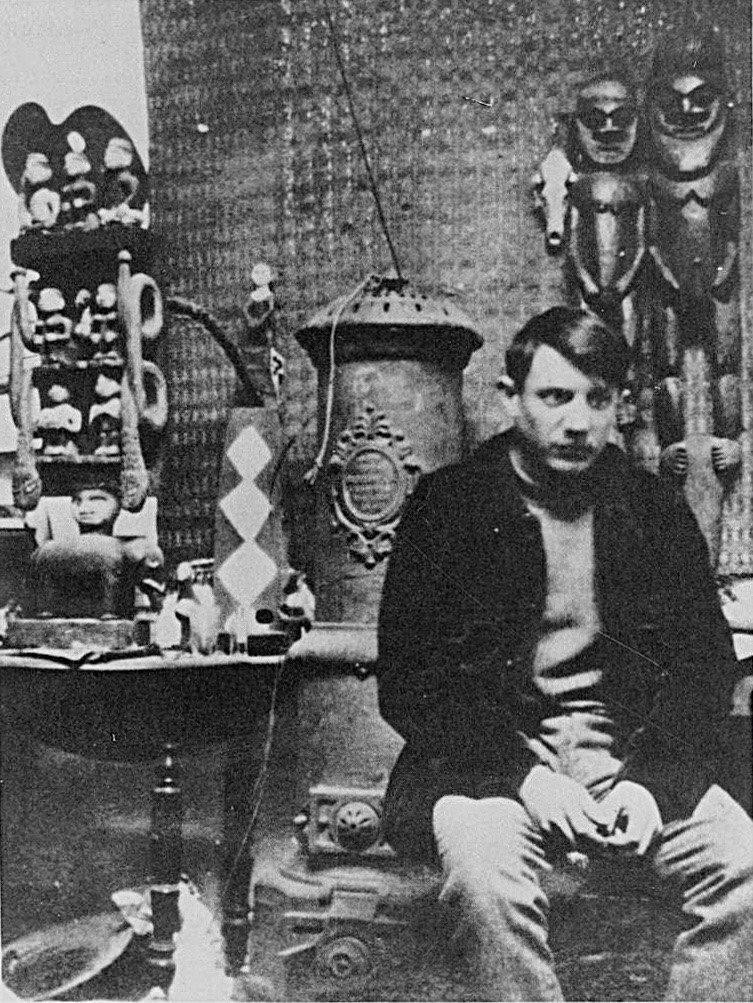
A glimpse of Picasso’s crowded Montmartre studio, documented by American writer and photographer Gelett Burgess in 1908. Objects and artworks shared space as Picasso explored forms that European critics found startling. The studio photograph is evidence of his working environment, not a reconstruction of the day he was born.
Photo details
Date
1908
Location
Montmartre, Paris, France
Photographer
Gelett Burgess
Archive / collection
Wikimedia Commons; historical photograph by Gelett Burgess
Gelett Burgess / Wikimedia Commons / Public domain mark
04 / 05
Juan Gris paints Picasso, 1912
This is a painting, not a photograph: fellow Spanish Cubist Juan Gris painted Portrait of Pablo Picasso in 1912. Its overlapping planes and shifting viewpoints reveal how Cubism had changed portraiture within a few years of Picasso’s breakthrough with Georges Braque. The work is in the Art Institute of Chicago.
Photo details
Date
1912 (artwork)
Location
Paris, France (painting); Art Institute of Chicago collection
Photographer
Juan Gris (painter, 1887–1927)
Archive / collection
Art Institute of Chicago / Google Art Project / Wikimedia Commons
Juan Gris, Portrait of Pablo Picasso (1912) / Art Institute of Chicago / Wikimedia Commons
05 / 05
Picasso in Sorgues, summer 1912
Picasso poses outside Villa les Clochettes in Sorgues, France, in summer 1912, with his painting The Aficionado visible behind him. The photograph belongs to the period when he and Braque were reshaping modern art through Cubism. It was taken more than three decades after the October 25, 1881 birth commemorated in this album.
Historical photograph marked public domain by Commons; modern-art painting visible incidentally behind Picasso may carry separate rights in some jurisdictions. Do not isolate the painted work.