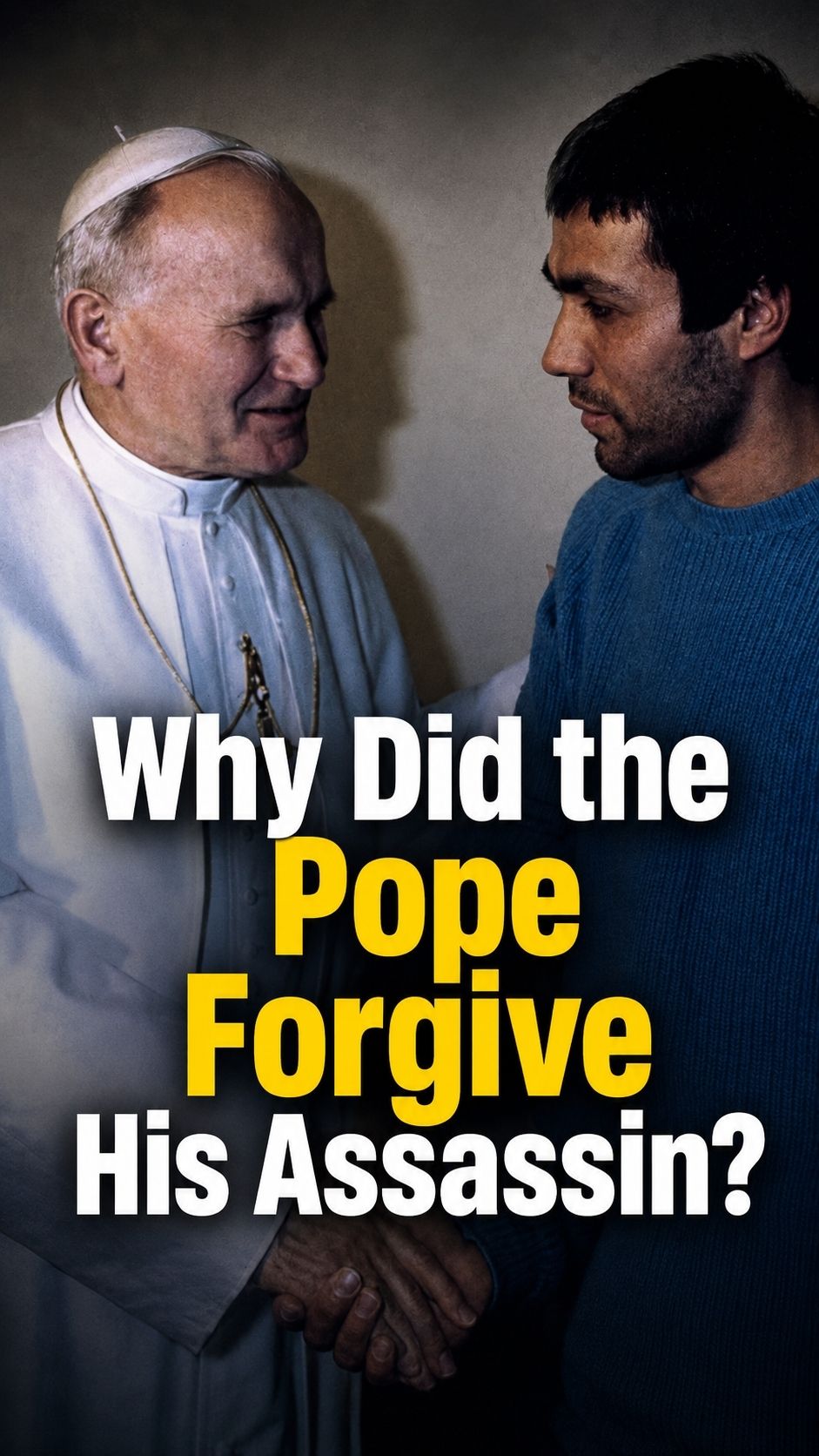
On 13 May 1981, Mehmet Ali Ağca shot Pope John Paul II in St Peter’s Square. The pope survived and publicly expressed forgiveness while recovering. More than two years later, on 27…
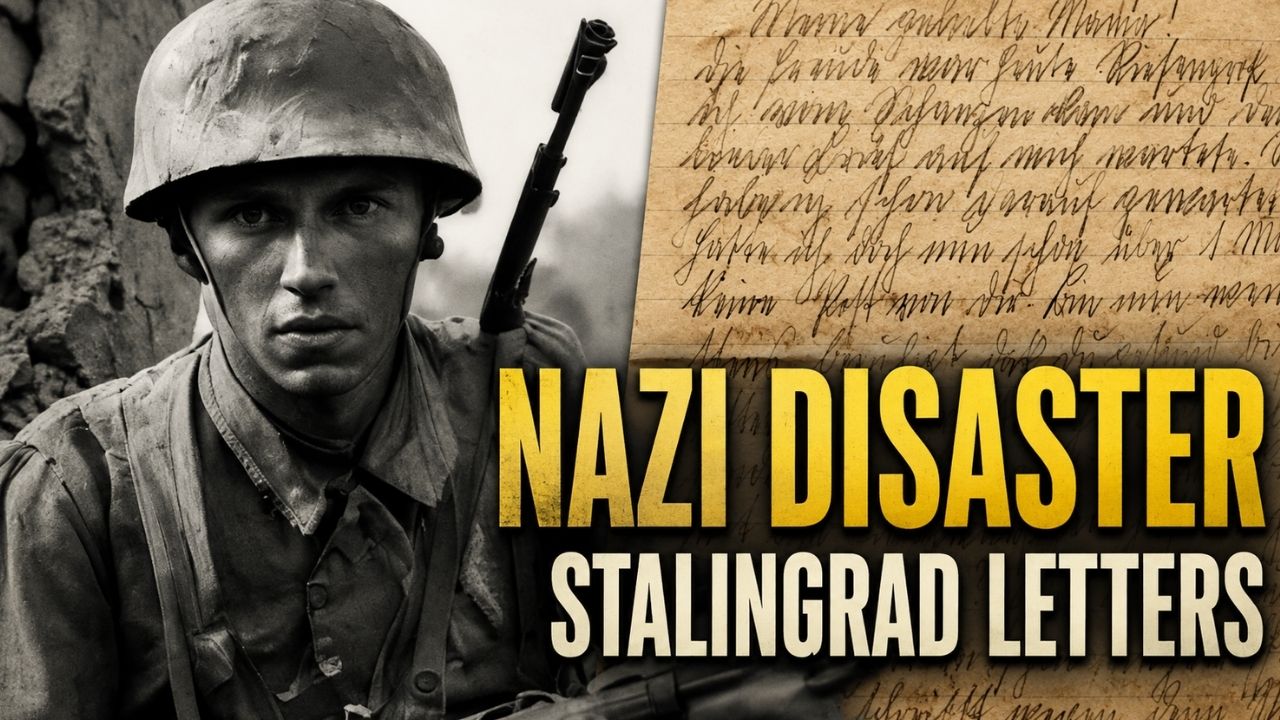
The destruction of Germany’s Sixth Army at Stalingrad unfolded between a military map and the daily experience of men trapped inside the pocket. Soviet Operation Uranus encircled the army…
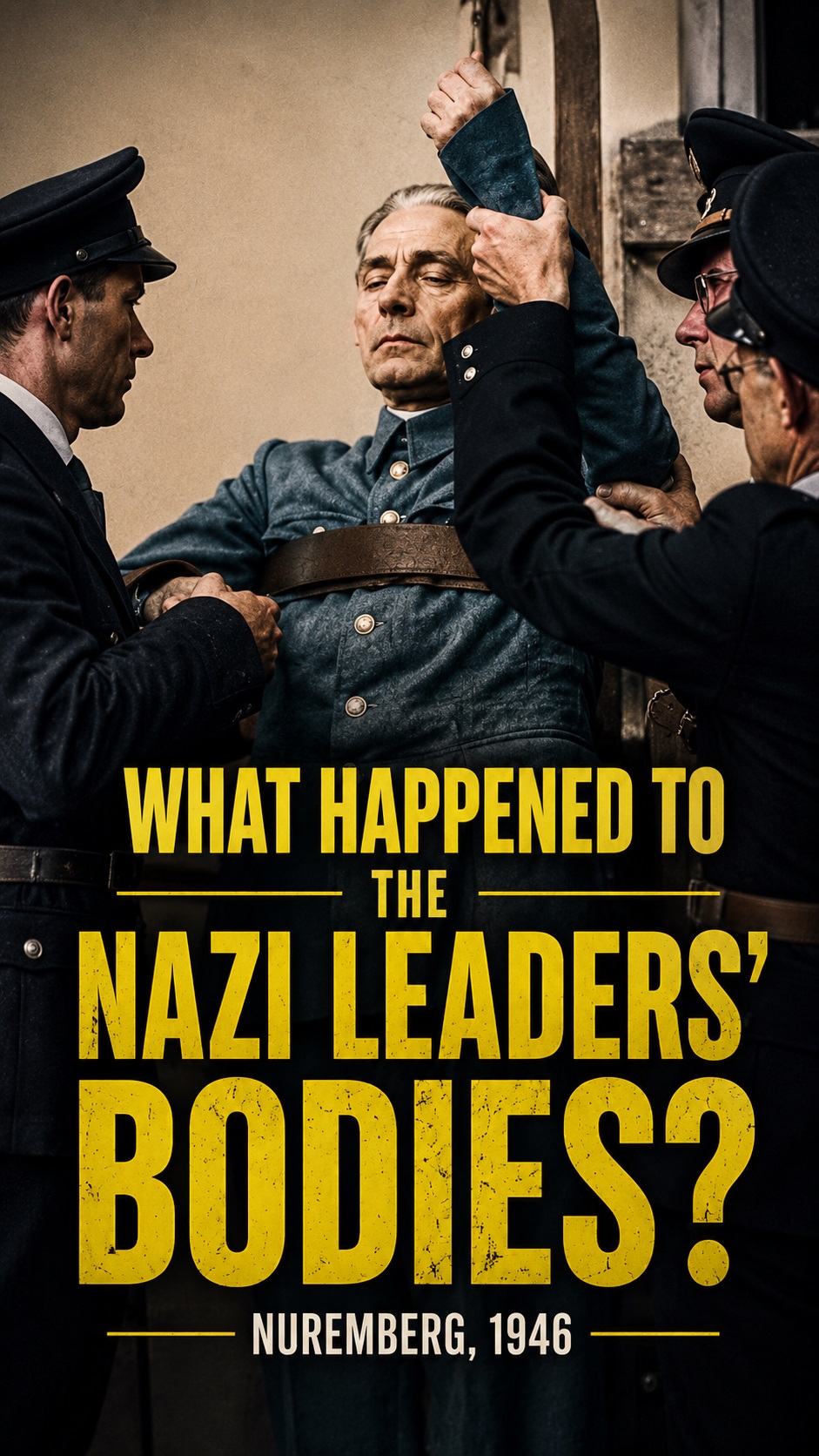
The International Military Tribunal at Nuremberg ended with different outcomes for different defendants: imprisonment, acquittal and death sentences. Ten men were executed on 16 October…
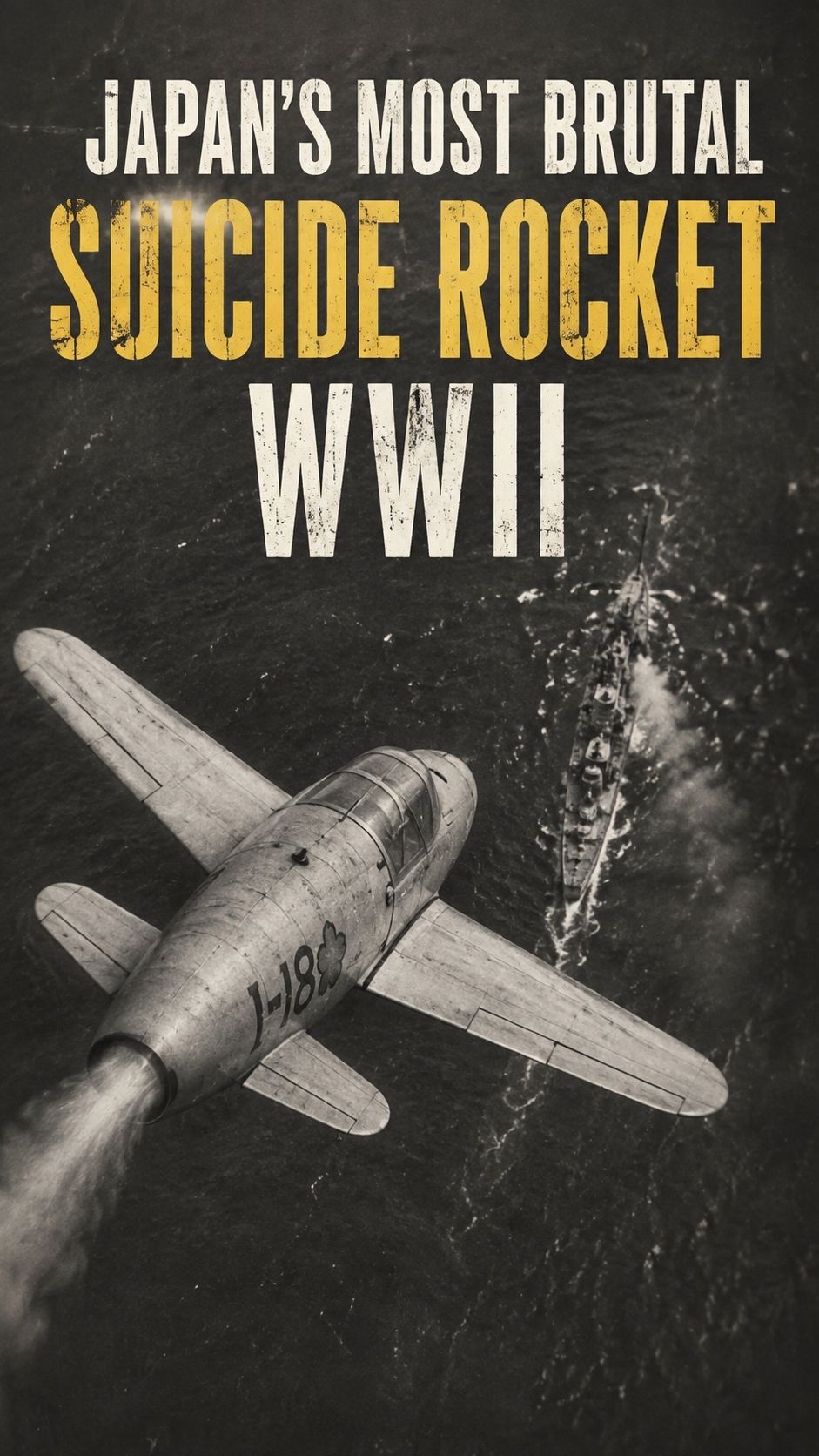
Japan’s Yokosuka MXY-7 Ohka placed a human pilot inside a weapon designed for a one-way attack. The operational Model 11 was carried toward its target beneath a bomber, released into a…
Japan’s surrender in August 1945 followed several shocks in rapid succession. The United States bombed Hiroshima on 6 August and Nagasaki on 9 August. Between those attacks, the Soviet…
Otto Günsche served as an SS adjutant close to Adolf Hitler during the final phase of the Nazi regime. His place in the Berlin bunker made him an important witness to the events…
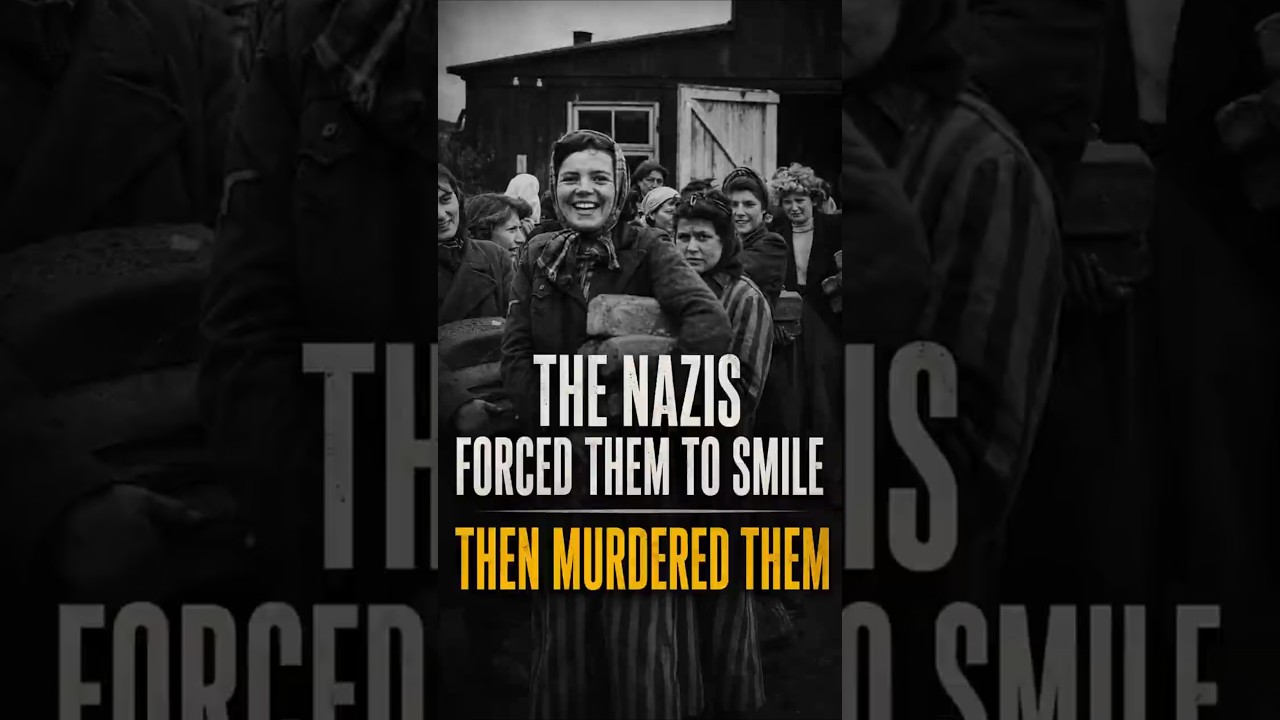
Images of prisoners apparently enjoying cultural events at Theresienstadt cannot be read as evidence that the ghetto was a humane refuge. Nazi authorities used the site to mislead outside…
The final statements attributed to Nazi defendants at Nuremberg have often been repeated apart from the trial that preceded them. Ten men were executed on 16 October 1946 after the…
Franz Suchomel had served at the Treblinka killing center. Decades later, Claude Lanzmann interviewed him while assembling the testimony that became Shoah. The surviving recording is an…
Schwerer Gustav was an 800-millimeter railway gun developed in Germany for attacking heavy fortifications. Its scale attracted attention, but the weapon’s history is also a story of…
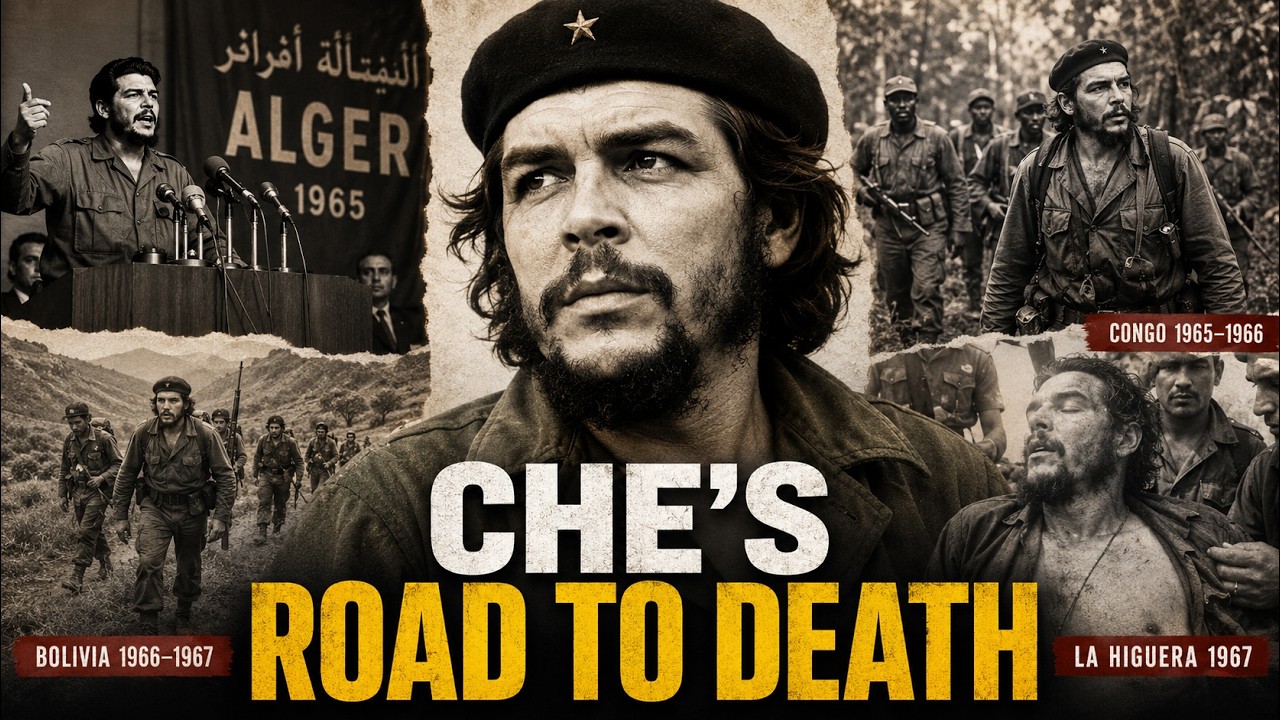
In 1965, Che Guevara challenged the economic behavior of socialist countries in a speech in Algiers. He later disappeared from public life in Cuba and joined an unsuccessful guerrilla…
In the final weeks of the war in Europe, the SS moved thousands of prisoners out of Neuengamme concentration camp and onto ships in the Lübeck area. Conditions aboard were catastrophic.…
Che Guevara was captured by Bolivian forces on 8 October 1967 and taken to La Higuera. He was executed the following day while in custody. That basic chronology is more secure than every…
The Taliban’s entry into Kabul in August 2021 was followed by desperate attempts to leave Afghanistan through the airport. People gathered around military aircraft while an international…
During the siege of Sarajevo, civilians faced sniping and shelling while crossing streets, collecting water and carrying out ordinary tasks. International criminal proceedings established…
Speaking in Algiers in February 1965, Che Guevara argued that socialist countries had obligations toward poorer nations that went beyond ordinary commercial exchange. His criticism was…
On 6 May 1937, the German passenger airship Hindenburg caught fire while approaching its landing at Lakehurst, New Jersey. The disaster ended a transatlantic journey and became an enduring…
The liberation of France in 1944 brought celebration and the restoration of political authority, but also reprisals against people accused of collaboration. Among the most visible targets…
SS John Burke was a merchant cargo ship carrying military supplies in the Philippines during the closing months of 1944. On 28 December, a Japanese suicide aircraft struck the ship while…
Images of Tehran before the 1979 revolution often show a society very different from the one viewers expect. They can reveal fashions, cultural activity and the ambitions of Pahlavi-era…
Che Guevara entered Bolivia hoping that a guerrilla campaign could develop into a wider revolutionary struggle. Instead, his group faced problems of local support, communication, supplies…
Adolf Eichmann helped organize the deportation of Jews across Nazi-controlled Europe. After the war he escaped to Argentina, where Israeli agents captured him in 1960. His trial in…
Before the atomic bombing of 6 August 1945, Hiroshima was a city of neighborhoods, shops, schools, bridges and streetcars. It had grown into a regional center whose daily life included…
Stella Kübler, also known as Stella Goldschlag, was a Jewish Berliner who became an informer for the Gestapo. Her case belongs to the history of people attempting to survive Nazi…
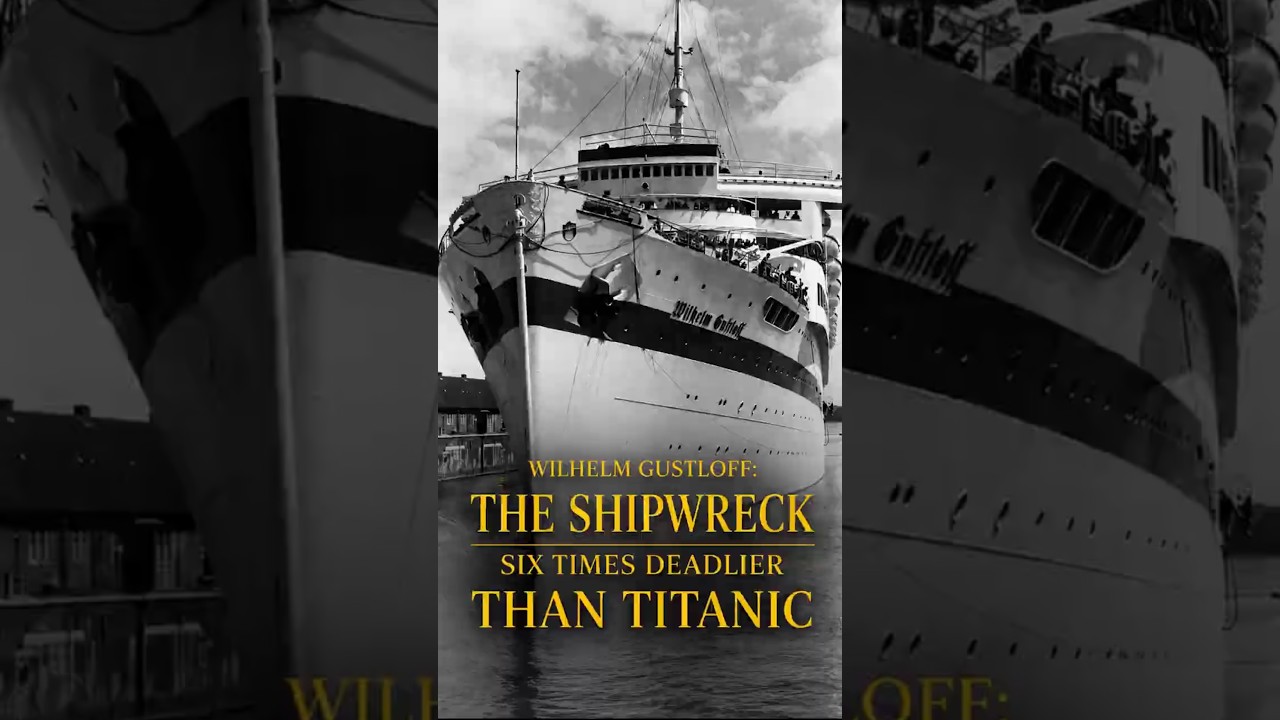
On 30 January 1945, the Wilhelm Gustloff left Gotenhafen during the evacuation from the advancing Red Army. The former cruise ship carried civilians and military personnel in crowded,…