Description
Built to study Earth’s upper atmosphere, Arecibo became a remarkable instrument for radar astronomy, pulsar research and the discovery of distant planets.
Historium Journal
Long-form reporting, research notes, and deeper context for the people and events explored in our films.
Built to study Earth’s upper atmosphere, Arecibo became a remarkable instrument for radar astronomy, pulsar research and the discovery of distant planets.
John Adams defended British soldiers, argued for independence and signed laws used against political critics. His record is larger than the presidential portrait.
The coronation of November 2, 1930, presented Ethiopia’s monarchy to the world. The reign that followed combined diplomatic ambition, reform and concentrated power.
The armistice was signed on November 3, 1918, but the ceasefire began the next afternoon. The interval mattered to soldiers across a collapsing front.
Panama’s break with Colombia brought a new republic into existence. American naval support and a canal treaty shaped the terms of its independence.
Johnson’s 1964 landslide gave him an elected term and momentum for the Great Society. The electoral map also showed divisions that the victory could not resolve.
Sputnik 2 made Laika the first animal to orbit Earth. Its hurried design could carry her into space but offered no way to bring her home.
Born on November 3, 1903, Walker Evans recorded faces, rooms and storefronts with an attention that still shapes how Americans remember the Depression.
Louis Chevrolet supplied a famous racing name. William Durant wanted a new foothold in the motor business. Their company soon changed direction.
On November 2, 1947, Howard Hughes lifted the H-4 Hercules off Long Beach Harbor. The brief flight was one chapter in a much longer engineering story.
One territory became two states on November 2, 1889. Capital rivalries, constitutional conventions and Indigenous land losses shaped the transition.
Four months after opening, Tacoma’s new suspension bridge collapsed. The photographs show its brief working life; the film reveals a failure often explained incorrectly.
Two calendars, a collapsing government and photographs often taken months or years apart: the records behind the Bolshevik seizure of power deserve a closer look.
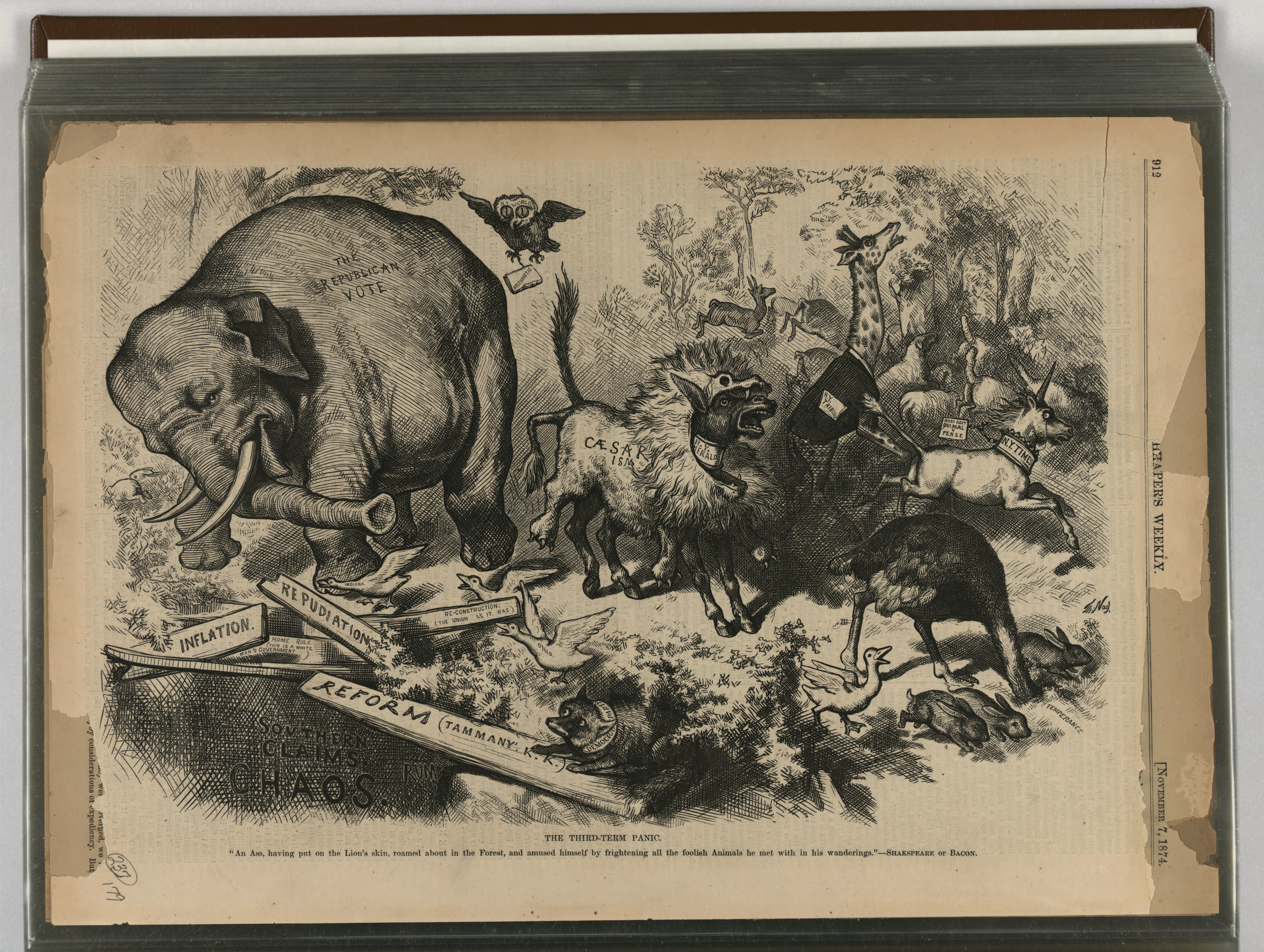
The elephant in Thomas Nast’s famous cartoon was frightened, and the donkey was a newspaper. Reading the labels reveals the quarrel behind a lasting party symbol.
On November 7, 1944, Franklin Roosevelt won a fourth term. Behind the campaign photographs stood a war, a serious illness and the choice of Harry Truman.
Born in Warsaw on November 7, 1867, Marie Curie changed the study of radioactivity. Her photographs also tell a less tidy story of equipment, family and money.
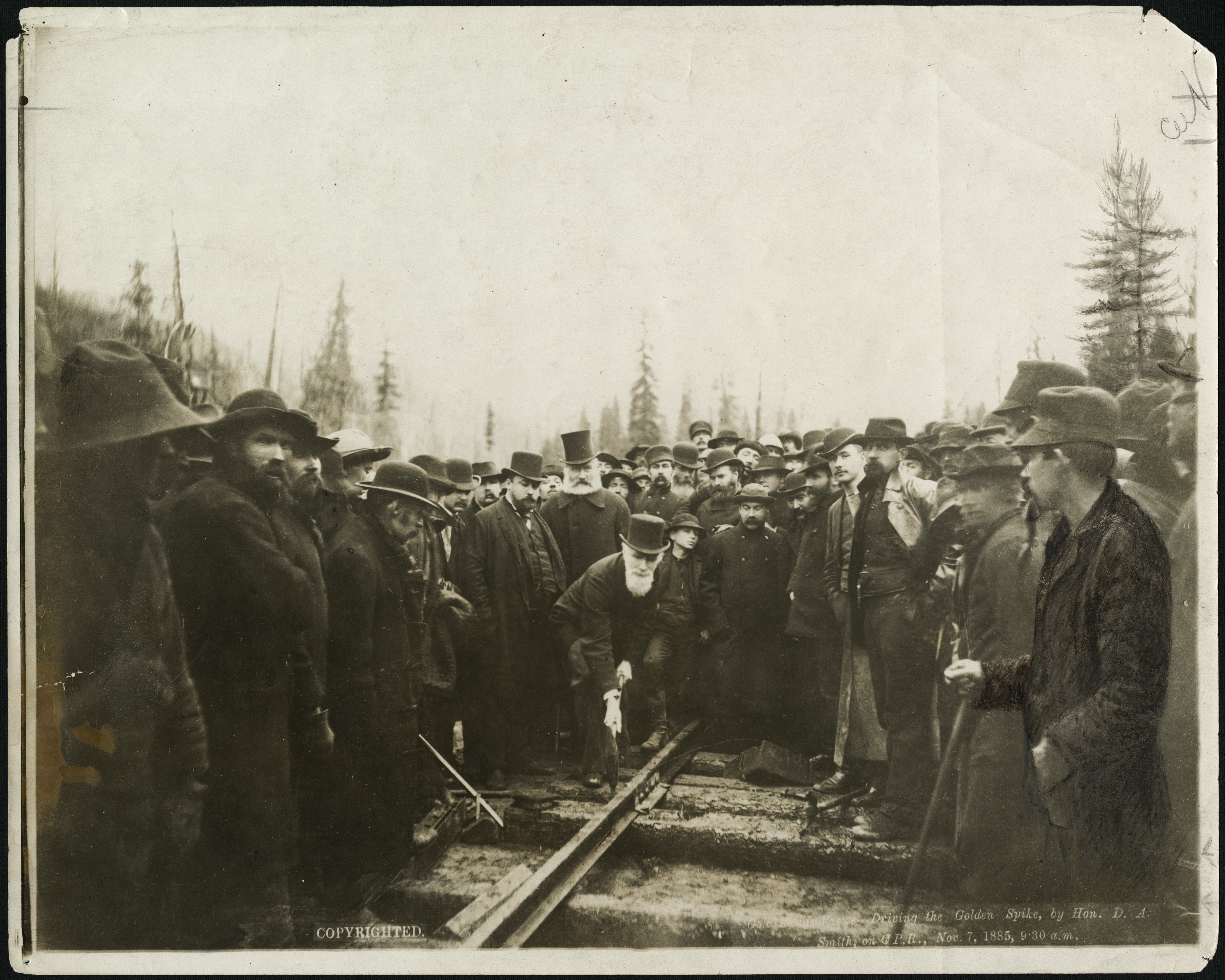
On November 7, 1885, a hammer blow completed the Canadian Pacific Railway’s track connection. The construction photographs tell a larger, harder story.
Twenty-five players a side, a round ball and ten goals: the match of November 6, 1869 belongs to American football’s history, though its rules looked very different.
A prototype’s first flight at Brooklands began the career of a fighter whose usefulness depended on factories, ground crews and adaptability as well as speed.
The capture of Passchendaele village fulfilled a costly tactical objective. The wider offensive’s promised breakthrough remained out of reach.
On November 6, 1913, Indian workers and their families crossed a provincial border in South Africa. Arrests could remove their leaders, but they could not end the strike.
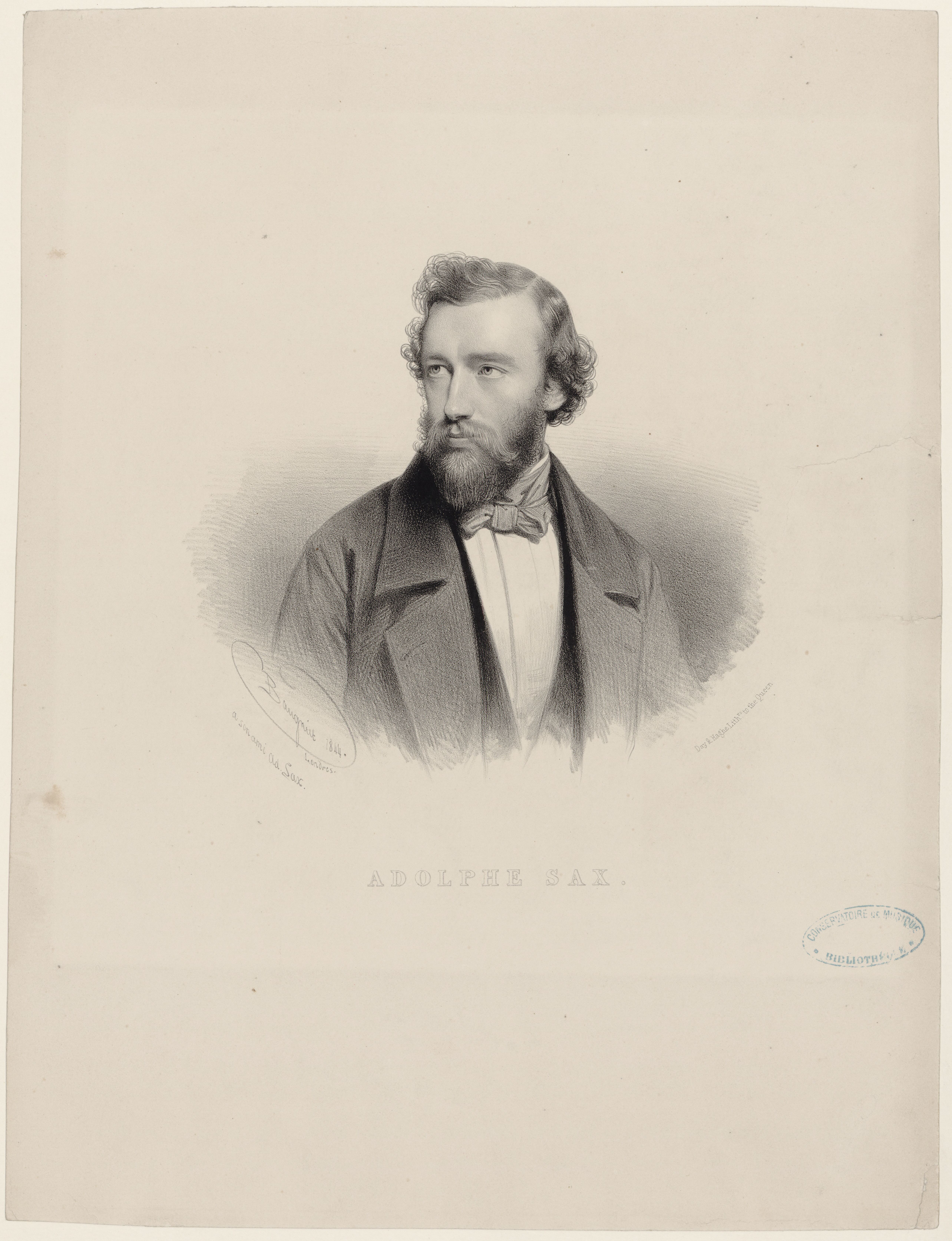
Born in Dinant on November 6, 1814, Adolphe Sax spent his career changing the sound of bands and orchestras. Jazz came much later.
Wilfred Owen died at the Sambre–Oise Canal one week before the armistice. His manuscripts and service record tell a fuller story than the date alone.
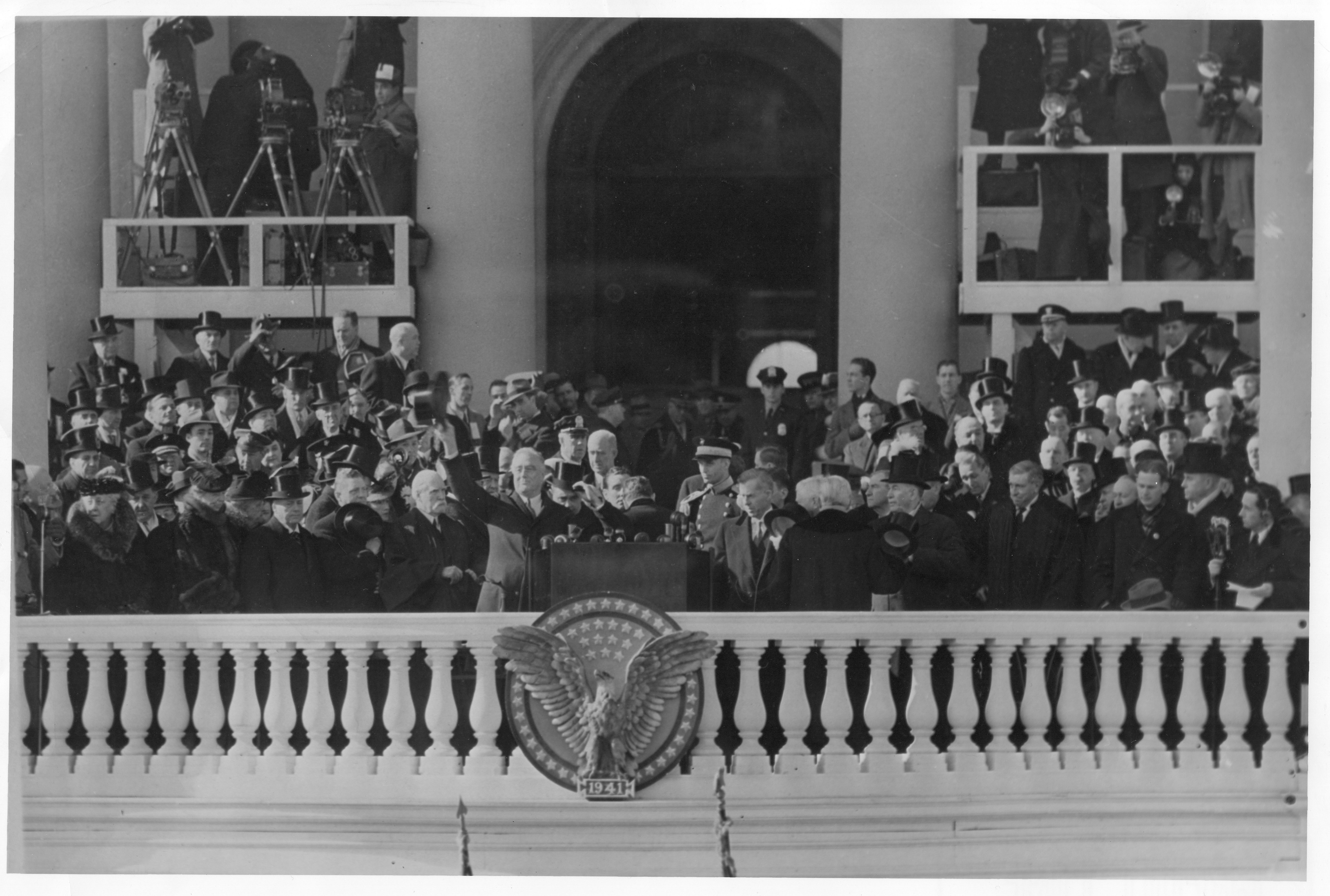
With Europe at war, voters gave Franklin Roosevelt a third term. The campaign tested an unwritten presidential tradition and a divided country’s sense of danger.