Back to Photo History

Photo History Historium

The Night Park Chung-hee Was Assassinated: October 26, 1979

Period
Yushin regime and South Korean democratization, 1961–1979
Place
Gungjeong-dong, Seoul, South Korea

On October 26, 1979, South Korean President Park Chung-hee was killed by his own intelligence chief. Six archival images reveal the regime, the assassin and the aftermath.

View 6 photographs
About this photo essay

On the evening of October 26, 1979, South Korea's president went to dinner at a Korean Central Intelligence Agency safe house in Seoul. He would not leave alive. Park Chung-hee, who had dominated the country since a military coup in 1961, was shot by his own intelligence chief, Kim Jae-gyu. Presidential security chief Cha Ji-cheol also died in the attack.

The killing brought an abrupt end to eighteen years of Park's rule. His government had overseen rapid industrial growth, but it had also imprisoned opponents, restricted the press and tightened authoritarian control under the Yushin system. By October 1979, protests in Busan and Masan had exposed a deep political crisis. The director of the KCIA was part of the security apparatus that upheld Park's power; that he turned his gun on the president made the assassination all the more shocking.

Exactly what drove Kim to kill Park has remained contested. Kim later described a desire to end dictatorship, while investigators and historians have also examined personal rivalries, the confrontation at dinner and the broader collapse of confidence inside the regime. His account should not simply be adopted as an established explanation.

The president's death raised immediate hopes of political opening. But it also produced a dangerous power vacuum. Prime Minister Choi Kyu-hah became acting president, martial law followed, and in December Major General Chun Doo-hwan's faction seized decisive military influence. South Korea's path toward democracy would be longer and far more painful than the night of the assassination suggested.

The images in this collection are not photographs of the shooting. They document Park's rise to power, the state and press under his administration, Kim Jae-gyu years before the event, and the funeral held on November 3, 1979. Their dates are given separately. For the assassination itself, the dates and participants are corroborated by the National Institute of Korean History's official historical chronology and Our History records.

Topic: Assassination of Park Chung-hee; Kim Jae-gyu; South Korea 1979

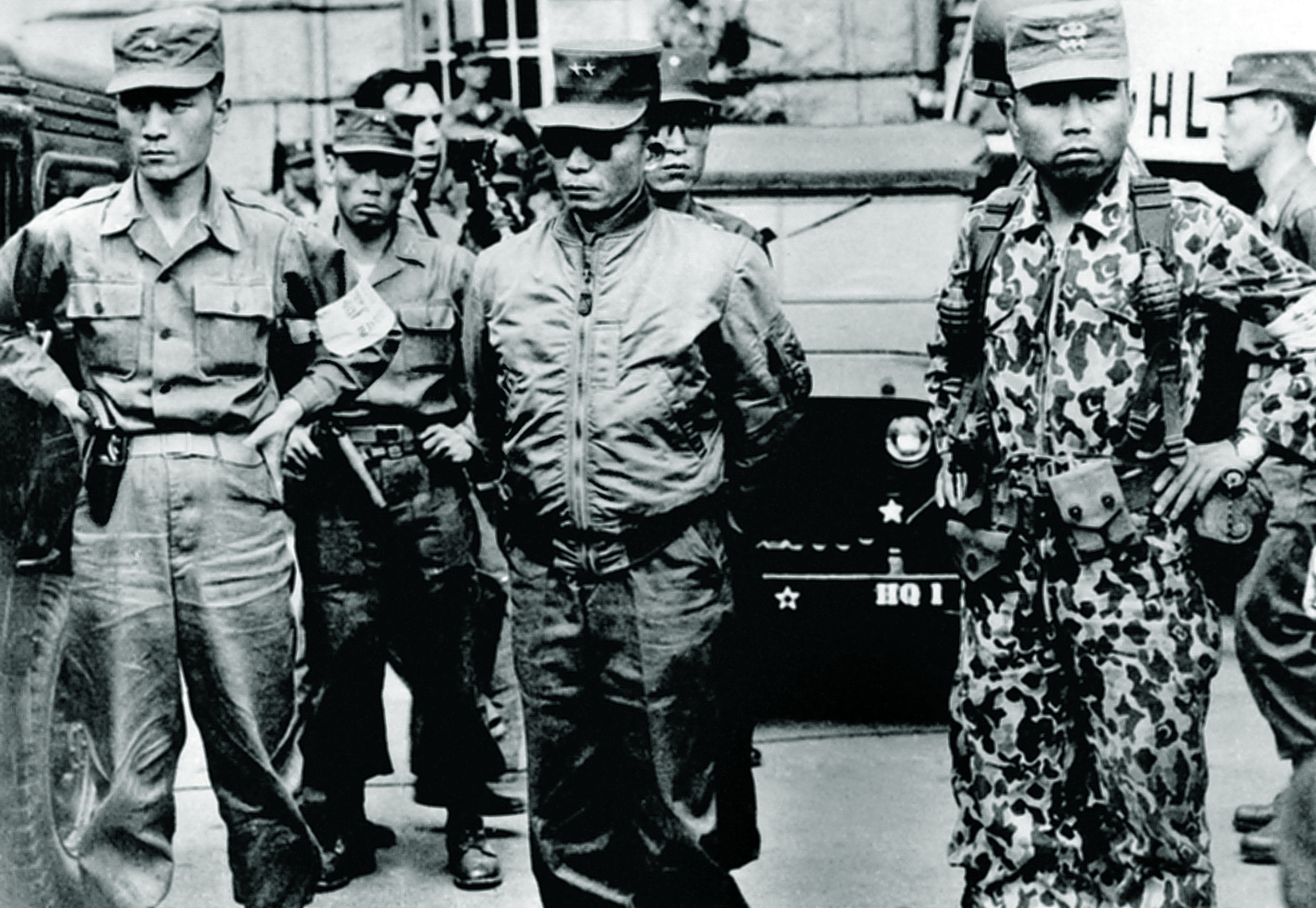
Major General Park Chung-hee photographed amid South Korea’s May 1961 military coup.

Park Chung-hee and the military coup of 1961

Park Chung-hee, then a major general, is photographed during the May 16, 1961 military coup. The coup began the political trajectory that placed him at the center of South Korean government for the next eighteen years. This image predates the 1979 assassination by almost two decades.

Photo details
Date
May 16, 1961
Location
Seoul, South Korea
Photographer
Unknown photographer
Archive / collection
Historic Korean photograph / Wikimedia Commons
Rights / license
Public domain in South Korea under the pre-1977 photograph rule, per Commons; jurisdiction-specific public-domain status.
Credit
Unknown photographer / Historic Korean photograph / Wikimedia Commons / Wikimedia Commons
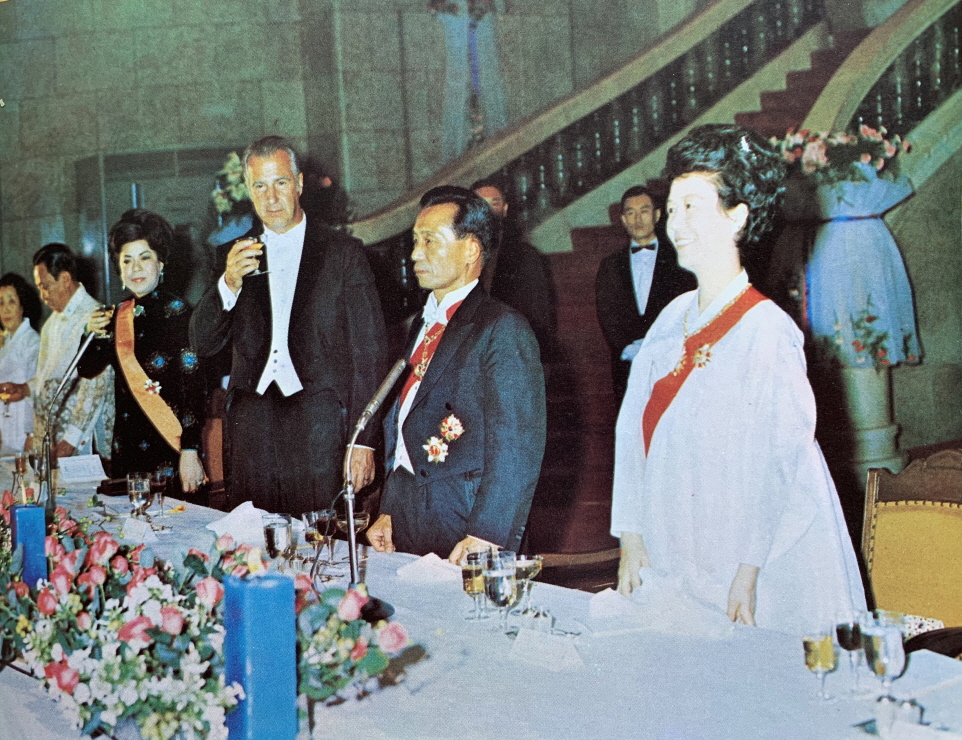
Park Chung-hee and Yuk Young-soo with guests at South Korea’s presidential inauguration in Seoul in July 1971.

Park’s presidential inauguration in 1971

President Park Chung-hee and First Lady Yuk Young-soo stand with dignitaries at his July 1, 1971 inauguration in Seoul. The ceremony was an expression of the public authority that Park had accumulated after the coup, and came just one year before his far more restrictive Yushin constitutional system.

Photo details
Date
July 1, 1971
Location
Central Government Building, Seoul, South Korea
Photographer
Celsus Cooperative (archive attribution)
Archive / collection
Korean Sharing Portal / gongu.copyright.or.kr
Rights / license
Korea Open Government License Type 1 (KOGL): reuse permitted with attribution.
Credit
Celsus Cooperative (archive attribution) / Korean Sharing Portal / gongu.copyright.or.kr / Wikimedia Commons
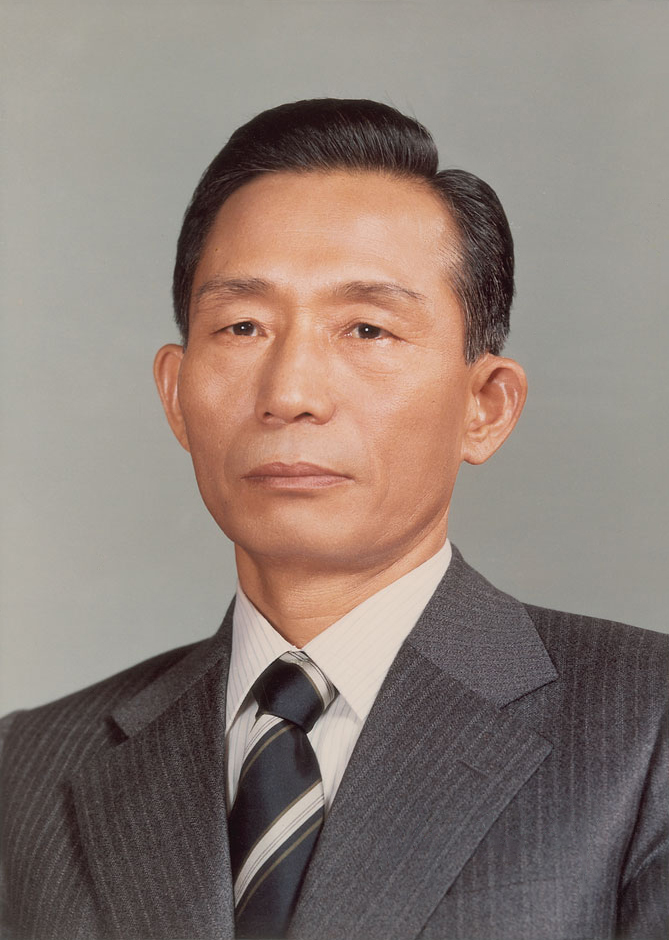
Official presidential portrait of South Korean President Park Chung-hee.

Official presidential portrait of Park Chung-hee

An official image of Park Chung-hee, president of South Korea from 1963 until his death on October 26, 1979. The official portrait projected the continuity of his government. His assassination ended that government abruptly, but it did not immediately end military control of politics.

Photo details
Date
Portrait from Park’s presidency, 1963–1979 (exact day unknown)
Location
South Korea
Photographer
Korea.net / Korean Culture and Information Service
Archive / collection
Korea.net government archive via Wikimedia Commons
Rights / license
Creative Commons Attribution-ShareAlike 2.0; Korea.net attribution required. Image digitally cropped from original official portrait; signature removed in this version.
Credit
Korea.net / Korean Culture and Information Service / Korea.net government archive via Wikimedia Commons / Wikimedia Commons
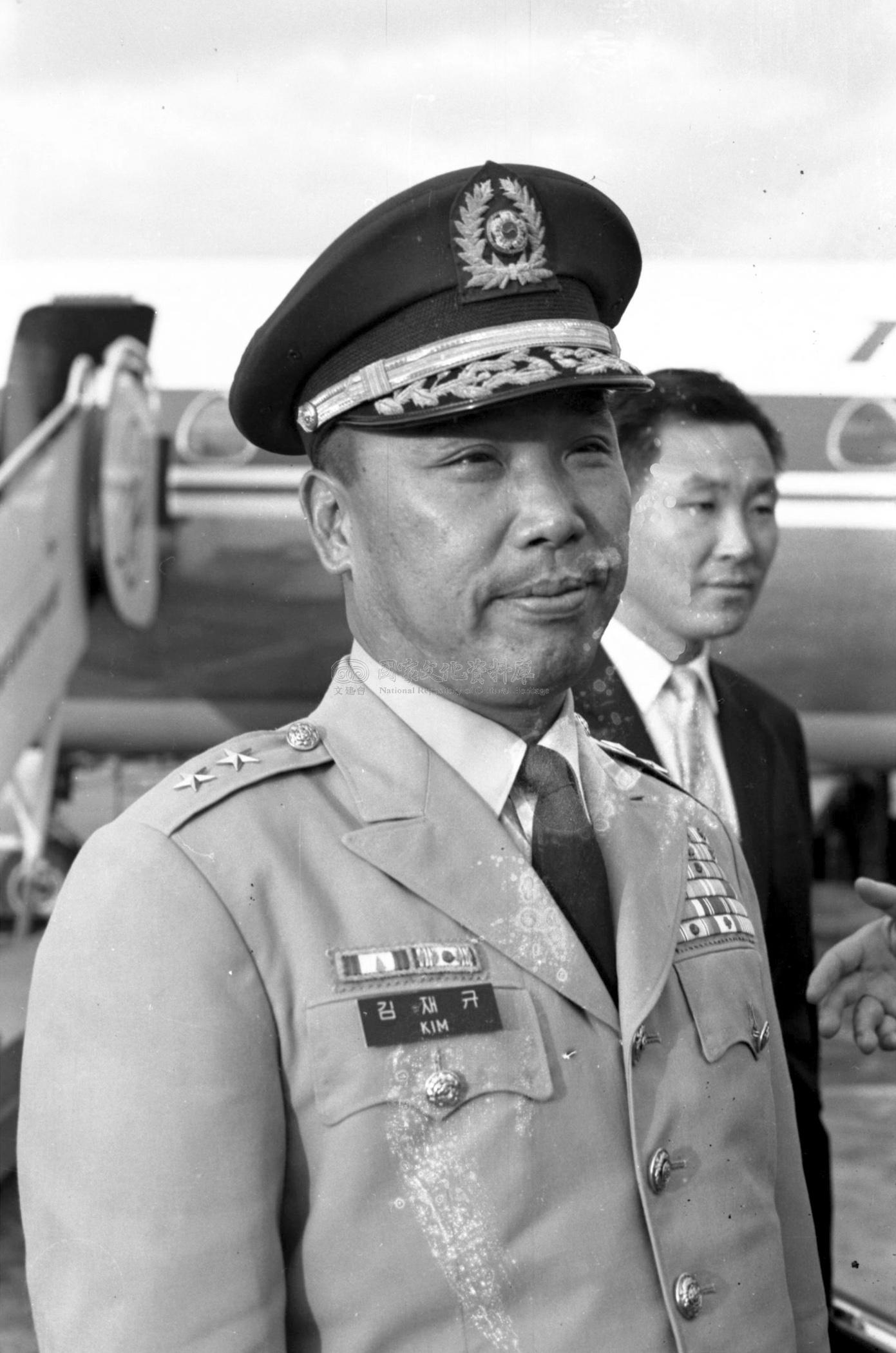
Kim Jae-gyu in a 1968 press photograph, before he became South Korea’s intelligence chief.

Kim Jae-gyu photographed eleven years before the killing

Kim Jae-gyu appears in a press photograph dated October 21, 1968, when he was a South Korean military security commander. By 1979 he headed the Korean Central Intelligence Agency. On October 26 of that year, he shot President Park Chung-hee and security chief Cha Ji-cheol at a Seoul safe house. This photograph is from 1968, not the assassination.

Photo details
Date
October 21, 1968
Location
South Korea
Photographer
Central News Agency (Taiwan)
Archive / collection
Taiwan National Repository of Cultural Heritage / Central News Agency
Rights / license
Listed as public domain in Taiwan by Wikimedia Commons; copyright status may differ in other countries, including the United States.
Credit
Central News Agency (Taiwan) / Taiwan National Repository of Cultural Heritage / Central News Agency / Wikimedia Commons
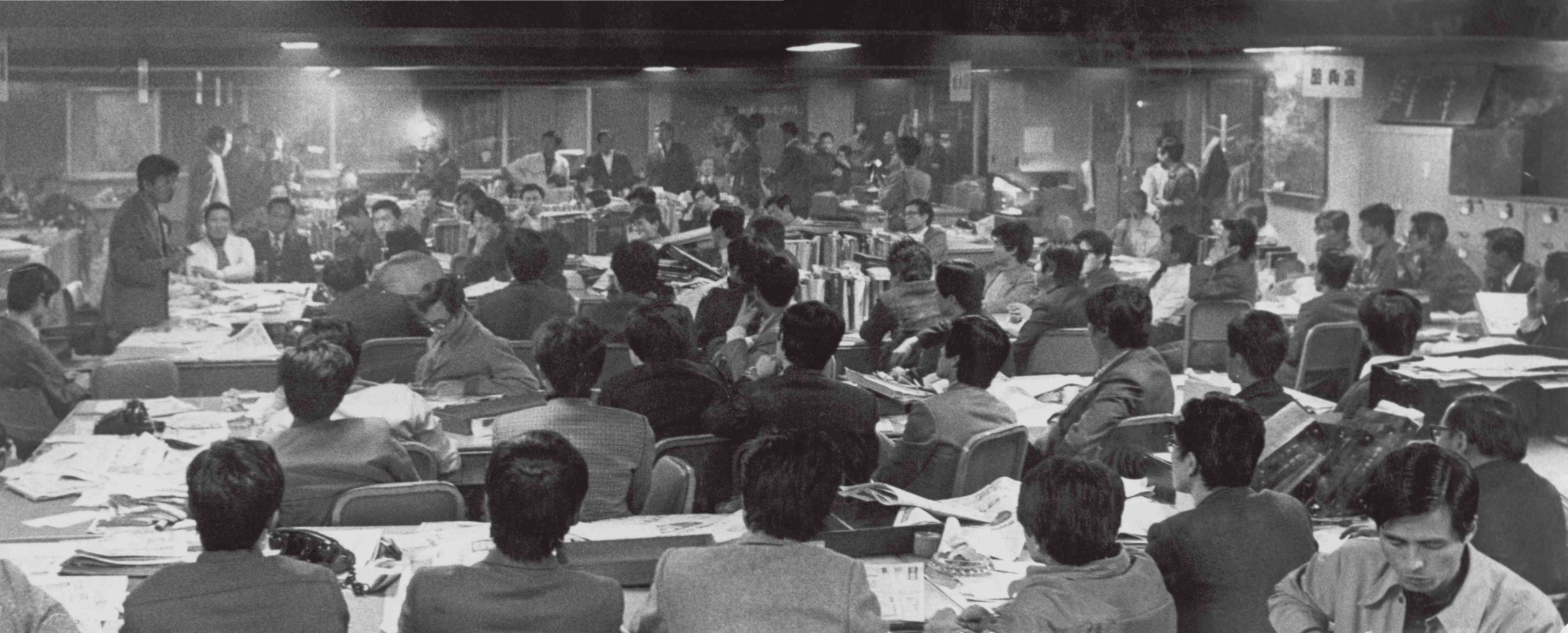
Korean journalists’ October 1974 resolution calling for protection of the democratic press.

Journalists demand protection of a democratic press

A Korean press freedom resolution was adopted on October 25, 1974, after journalists protested government action against a newspaper’s leadership. This document speaks to the restrictions on public debate during Park’s rule. It is five years older than the assassination and gives context to the political tensions surrounding it.

Photo details
Date
October 25, 1974
Location
Seoul, South Korea
Photographer
Jeon Min-jo archive / photographed document
Archive / collection
National Museum of Contemporary Korean History
Rights / license
Public-domain archival document reproduction as described by Commons under South Korea pre-1977 image terms; verify jurisdiction of intended reuse.
Credit
Jeon Min-jo archive / photographed document / National Museum of Contemporary Korean History / Wikimedia Commons
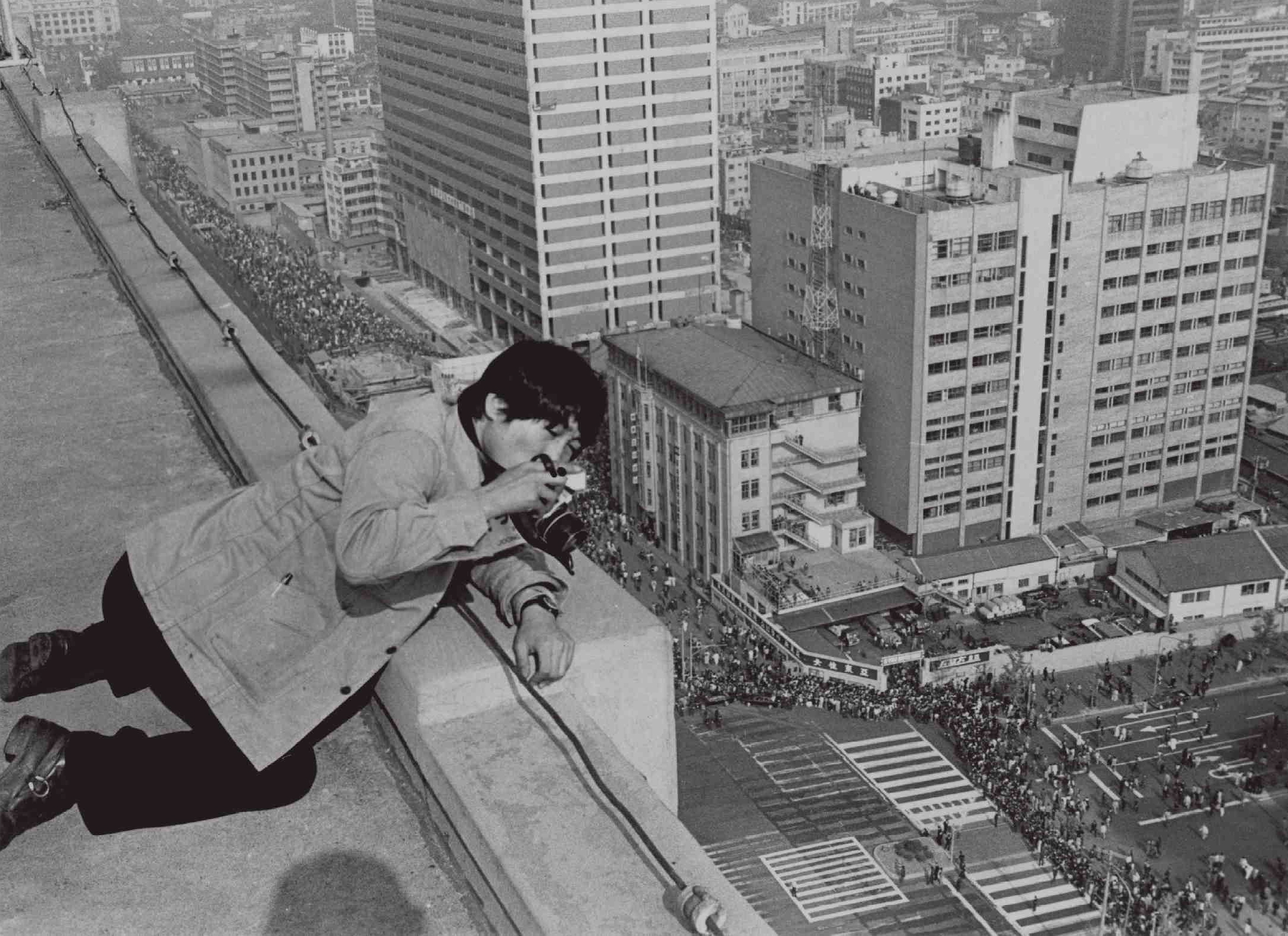
Photojournalist on the rooftop of Seoul’s Koreana Hotel covering Park Chung-hee’s funeral on November 3, 1979.

The press covers Park Chung-hee’s state funeral

On November 3, 1979, photojournalist Choi Jae-young lies on the rooftop of the Koreana Hotel to photograph the state funeral procession below. Photographer Jeon Min-jo captured him at work. The funeral took place eight days after Park was killed, as South Korea faced the question of who would hold power next.

Photo details
Date
November 3, 1979, eight days after the assassination
Location
Koreana Hotel rooftop, central Seoul, South Korea
Photographer
Jeon Min-jo
Archive / collection
National Museum of Contemporary Korean History
Rights / license
Korea Open Government License Type 1 (KOGL); source attribution: National Museum of Contemporary Korean History.
Credit
Jeon Min-jo / National Museum of Contemporary Korean History / Wikimedia Commons

More Photo History

Read the story