On October 25, 1971, a vote inside the United Nations General Assembly settled one question that diplomats had argued over for decades: who would speak for China at the UN.
Since the organization’s founding in 1945, the Republic of China government had held the Chinese seat, including a permanent seat on the Security Council. The government had retreated to Taiwan after losing control of mainland China in 1949. Beijing, governed by the People's Republic of China, remained outside the UN while many countries continued to recognize the authorities in Taipei.
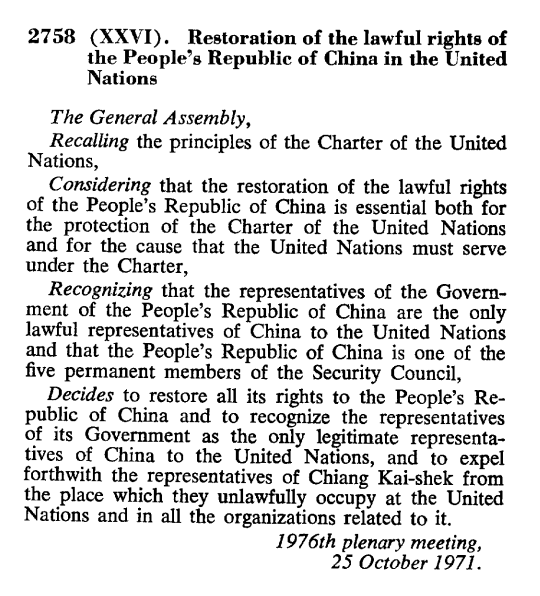
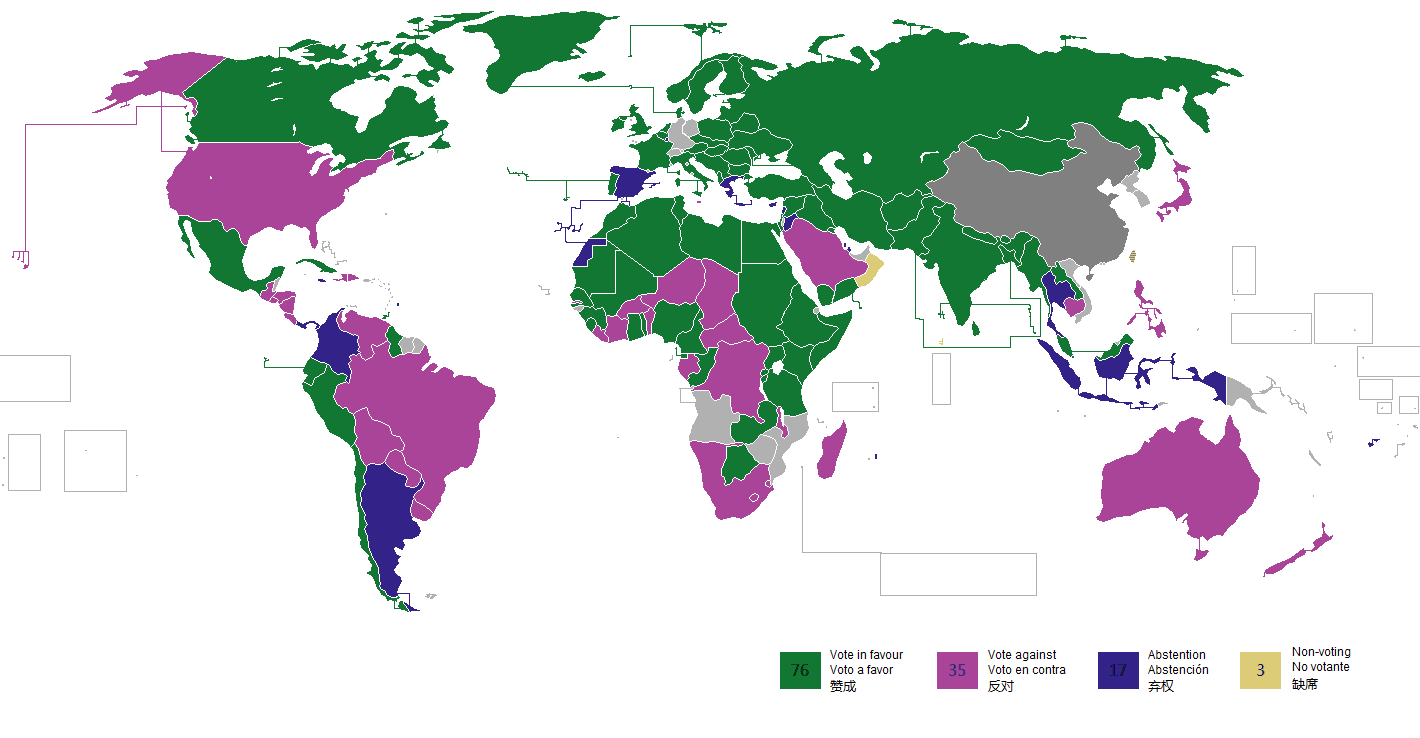
That arrangement came to an end with General Assembly Resolution 2758. The vote was 76 in favor, 35 against and 17 abstaining, with three countries not voting. The resolution recognized the representatives of the People's Republic of China as the only lawful representatives of China at the United Nations and removed the representatives of Chiang Kai-shek. It also affirmed the PRC's place among the Security Council's five permanent members.
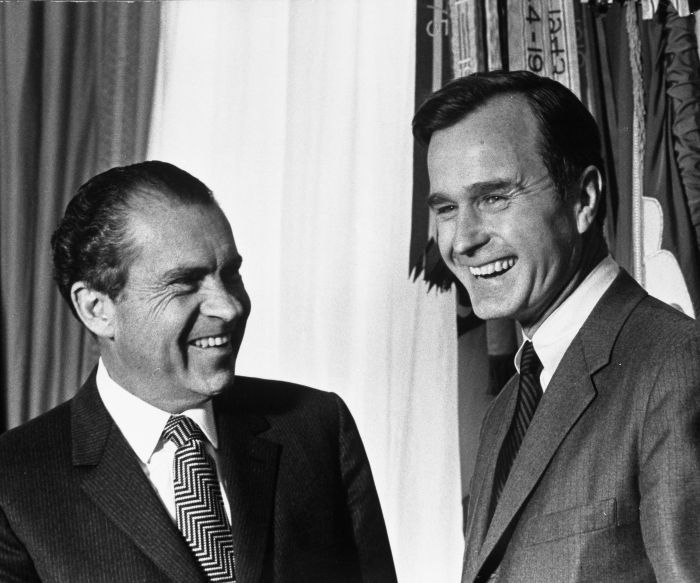
The United States had tried to keep Taiwan's representatives in the organization while making room for Beijing. Ambassador George H. W. Bush argued for that approach, but it failed. The result changed who occupied China's UN seat, with lasting diplomatic consequences. The precise legal implications for Taiwan's status remain disputed today; the 1971 text is a decision about representation at the UN, not an explicit settlement of every question concerning sovereignty.
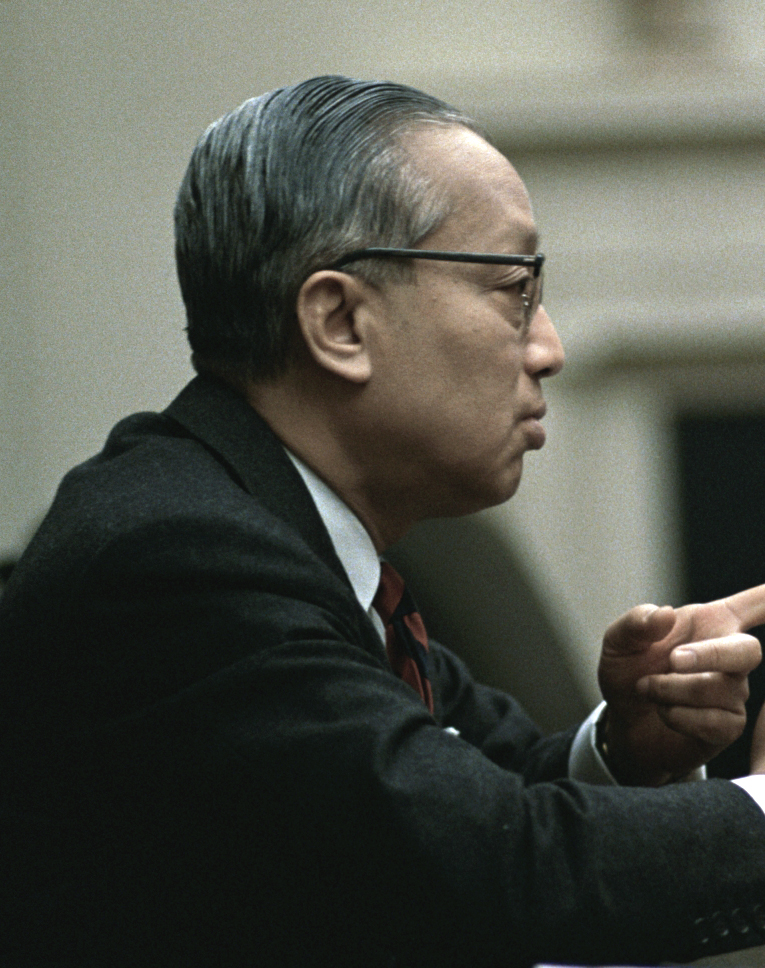
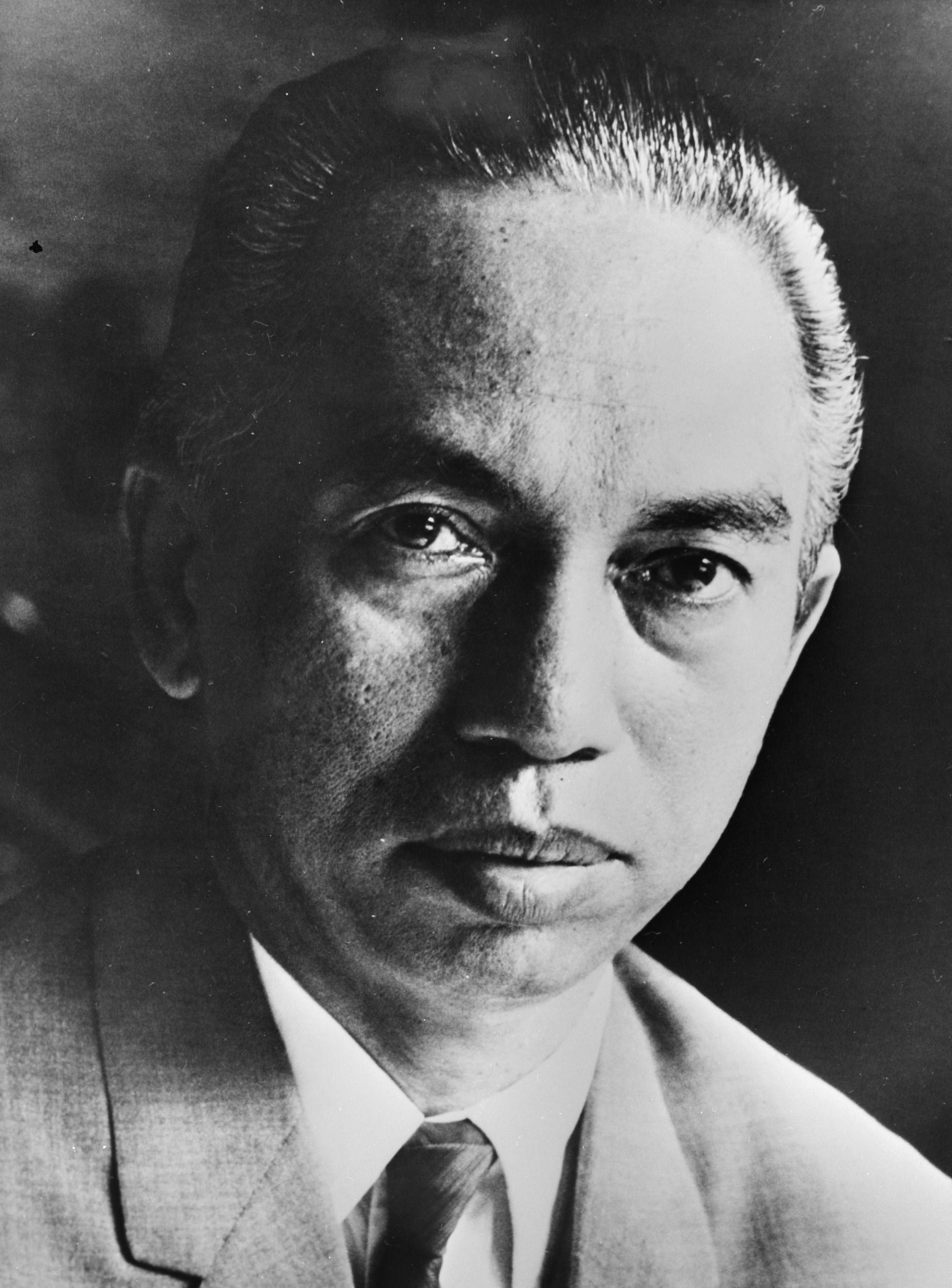
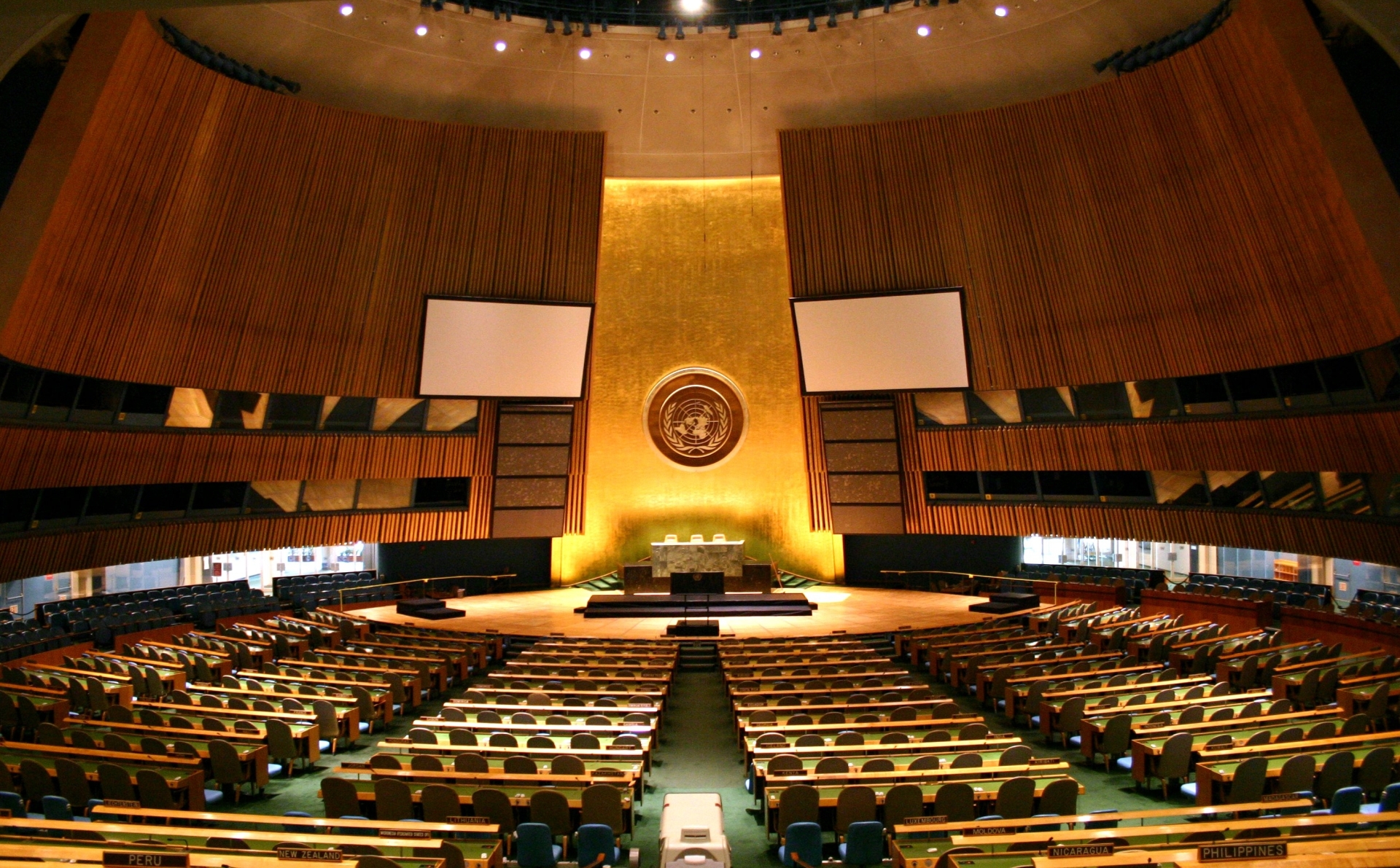
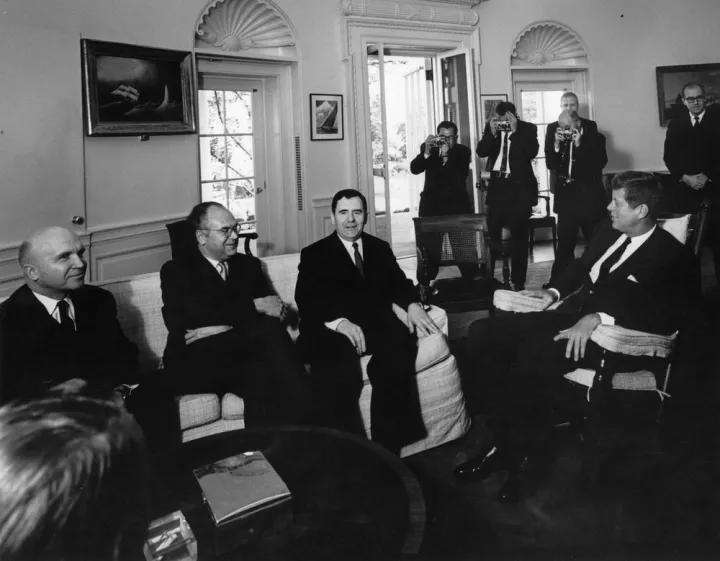
This gallery begins with the resolution itself and follows key figures, the Assembly chamber and a later map of the actual vote. The photographs of diplomats and the room were taken in other years and are clearly labeled. None is presented as a photograph of the October 25 vote.
Sources: United Nations Digital Library, A/RES/2758 (XXVI), and the UN's October 25, 1971 voting record; Office of the Historian, U.S. Department of State.
Topic: UN General Assembly Resolution 2758; China UN seat; Taiwan; 1971 vote