Back to Photo History

Photo History Historium

Black Saturday: The Day the Cuban Missile Crisis Nearly Became War

Period
Cold War, Cuban Missile Crisis, October 1962
Place
Cuba; Washington, D.C.; Atlantic Ocean

October 27, 1962: a U-2 pilot was killed over Cuba, and Washington confronted the possibility of nuclear war. Eight archival photos and documents trace the most dangerous day.

View 8 photographs
About this photo essay

Saturday, October 27, 1962, came to be known as the most dangerous day of the Cuban Missile Crisis. American leaders were trying to stop the Soviet Union from completing nuclear missile installations in Cuba. Then a U.S. Air Force U-2 reconnaissance plane was shot down over the island. Its pilot, Major Rudolf Anderson Jr., was killed.

The destruction of the U-2 placed President John F. Kennedy under enormous pressure to strike back. American military commanders had already been preparing for possible air attacks and invasion. Kennedy and his advisers were also trying to interpret conflicting messages from Soviet leader Nikita Khrushchev: one letter suggested a settlement based on a U.S. pledge not to invade Cuba, while a later public demand raised American missiles in Turkey.

At the same time, American warships enforcing the naval quarantine were confronting Soviet vessels and submarines. The day brought several opportunities for decisions made by exhausted crews, officials and commanders to turn a standoff into a war. The danger was not only a deliberate order from the White House or Kremlin; events in the field were moving faster than diplomatic messages.

Kennedy's advisers chose to answer the earlier, more conciliatory Soviet letter and continue private negotiations. The following day Khrushchev publicly agreed to remove Soviet missiles from Cuba, while the United States pledged not to invade the island; a separate, confidential understanding concerned U.S. Jupiter missiles in Turkey. The crisis had not ended when October 27 began, and there was no guarantee it would end peacefully.

This photo album brings together Major Anderson's portrait, a U-2 aircraft, reconnaissance evidence, authentic U.S. defense imagery from October 27 and the day's National Security Council records. Two later photographs are included to show how the decision-makers and naval standoff appeared in the immediate aftermath. The captions mark the later dates explicitly. The chronology is corroborated by the John F. Kennedy Presidential Library, the National Security Archive, and U.S. Air Force history.

Topic: Cuban Missile Crisis; Black Saturday; Rudolf Anderson; John F. Kennedy; Nikita Khrushchev

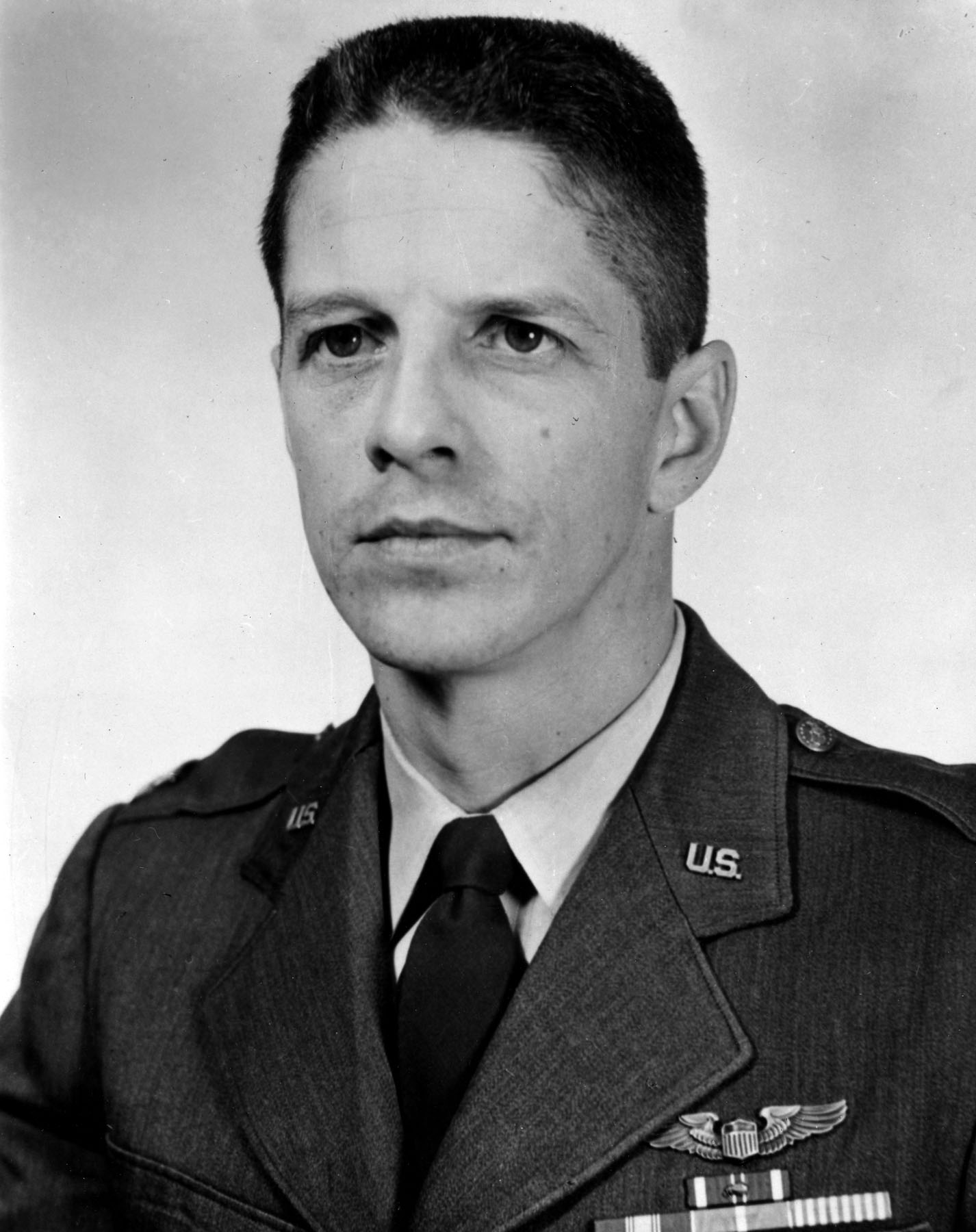
U.S. Air Force Major Rudolf Anderson Jr., killed during the Cuban Missile Crisis on October 27, 1962.

Major Rudolf Anderson Jr., the pilot killed over Cuba

Major Rudolf Anderson Jr. was flying a U-2 reconnaissance mission over Cuba on October 27, 1962, when a Soviet-supplied surface-to-air missile shot down his aircraft. He was the crisis’s fatal U.S. combat loss. This military portrait was made before the mission; it is not an image of the shootdown.

Photo details
Date
Portrait date undetermined; Anderson killed October 27, 1962
Location
United States; Cuba (event location)
Photographer
Uncredited U.S. military photographer
Archive / collection
U.S. Air Force historical imagery / Wikimedia Commons
Rights / license
United States federal government or military archival work in the public domain in the United States; source credit included.
Credit
Uncredited U.S. military photographer / U.S. Air Force historical imagery / Wikimedia Commons / Wikimedia Commons
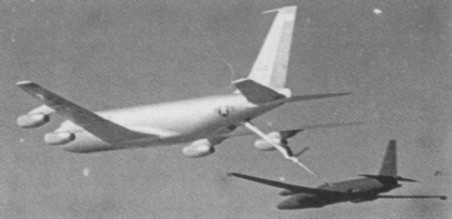
A Lockheed U-2 reconnaissance aircraft refueling in the air before or around the 1962 Cuban Missile Crisis.

The U-2 reconnaissance aircraft at the center of the crisis

A Lockheed U-2 reconnaissance aircraft is refueled in flight by a U.S. Air Force tanker. U-2 cameras disclosed Soviet missile sites on Cuba, triggering the confrontation in October 1962. Major Anderson was flying this type of aircraft when shot down. This is a representative aircraft photograph taken before or around the crisis, not Anderson’s last flight.

Photo details
Date
Late 1950s to early 1960s; exact day unknown
Location
United States Air Force operations
Photographer
United States Air Force
Archive / collection
U.S. Air Force photography
Rights / license
United States federal government or military archival work in the public domain in the United States; source credit included.
Credit
United States Air Force / U.S. Air Force photography / Wikimedia Commons
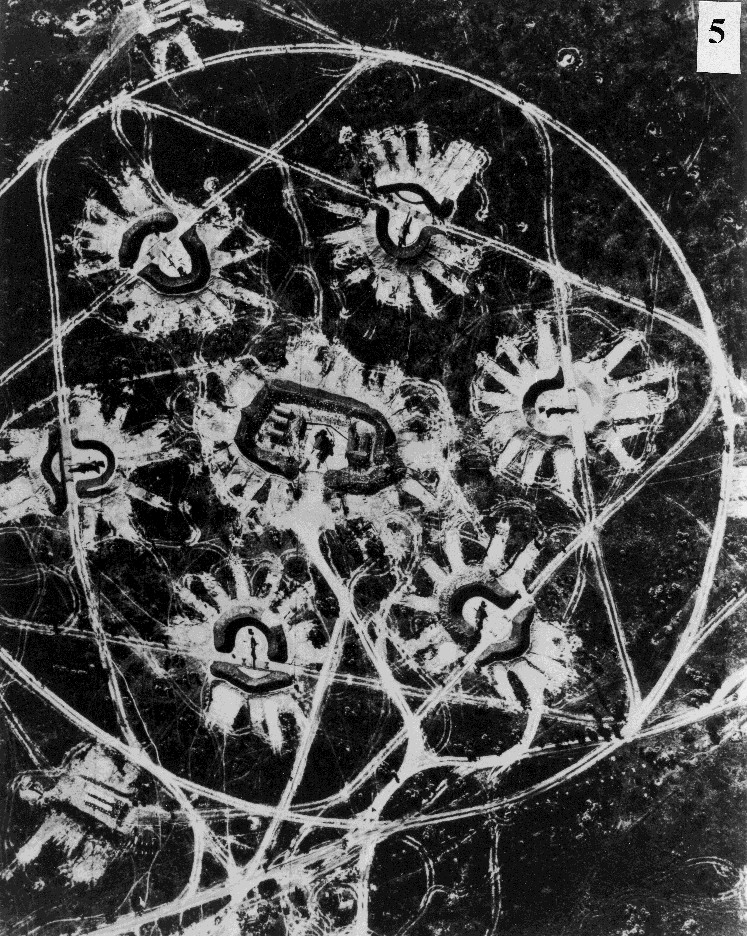
Reconnaissance image showing a Soviet SA-2 surface-to-air missile site in Cuba in 1962.

Soviet SA-2 antiaircraft defenses in Cuba

This 1962 reconnaissance photograph shows an SA-2 surface-to-air missile site in Cuba. The Soviet air-defense network was part of the military environment facing American reconnaissance aircraft. The fatal October 27 shootdown of Anderson’s U-2 involved a Soviet SA-2 missile, raising the risk of retaliatory American strikes.

Photo details
Date
1962 (exact photography date not established)
Location
Cuba
Photographer
U.S. reconnaissance service, photographer uncredited
Archive / collection
U.S. military aerial reconnaissance collection
Rights / license
United States federal government or military archival work in the public domain in the United States; source credit included.
Credit
U.S. reconnaissance service, photographer uncredited / U.S. military aerial reconnaissance collection / Wikimedia Commons
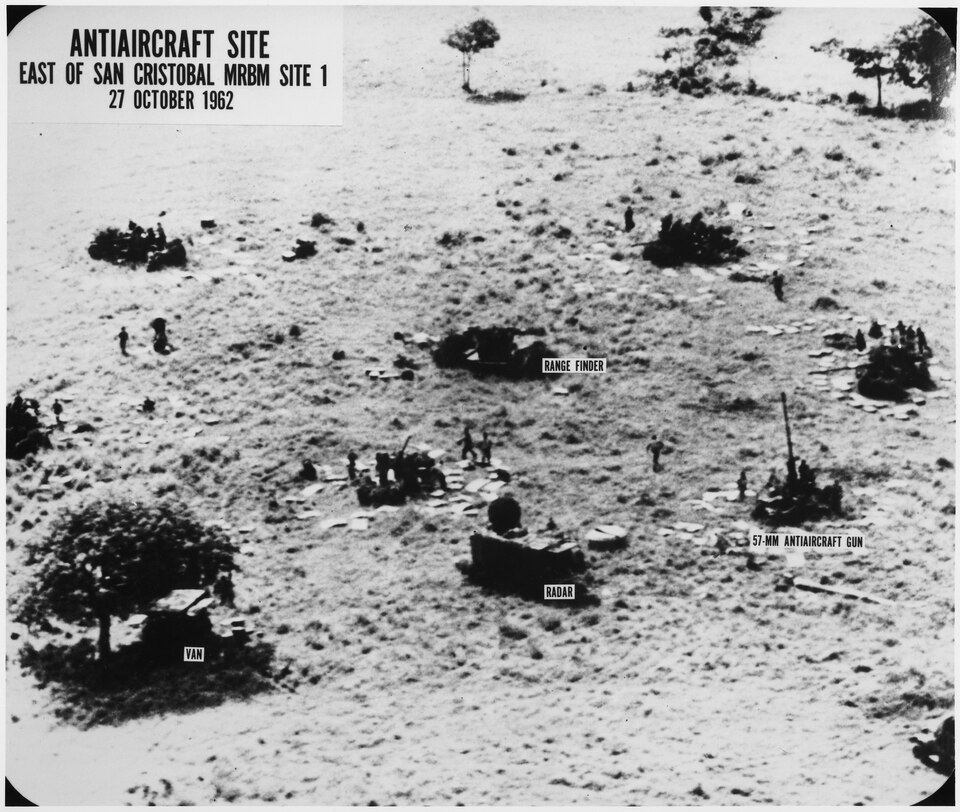
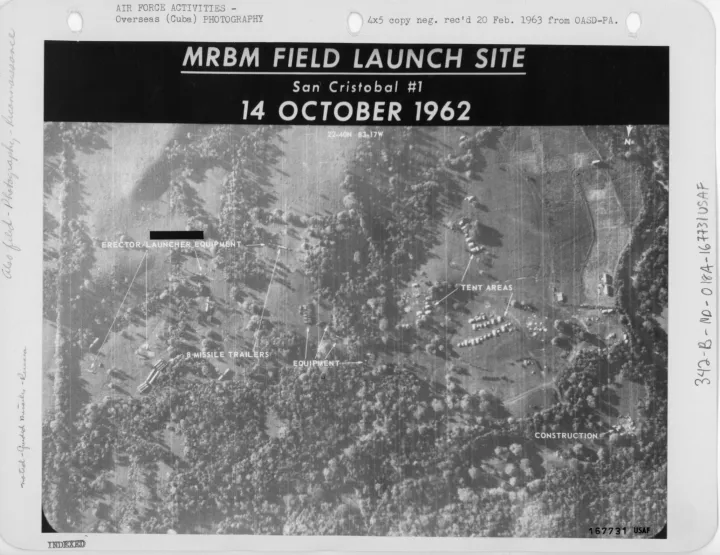
Aerial reconnaissance photograph of an antiaircraft site east of San Cristóbal, Cuba, dated October 27, 1962.

An antiaircraft site photographed on October 27

This is an aerial image of an antiaircraft site east of San Cristóbal missile site number one, dated October 27, 1962 in the U.S. National Archives. It provides a genuinely same-day picture of the defenses confronting American aircraft on Black Saturday. The identification comes from the National Archives catalog, not from inference about the shapes in the photograph.

Photo details
Date
October 27, 1962
Location
Near San Cristóbal, Cuba
Photographer
U.S. Department of Defense reconnaissance
Archive / collection
U.S. National Archives, record 193929
Rights / license
United States federal government or military archival work in the public domain in the United States; source credit included.
Credit
U.S. Department of Defense reconnaissance / U.S. National Archives, record 193929 / Wikimedia Commons
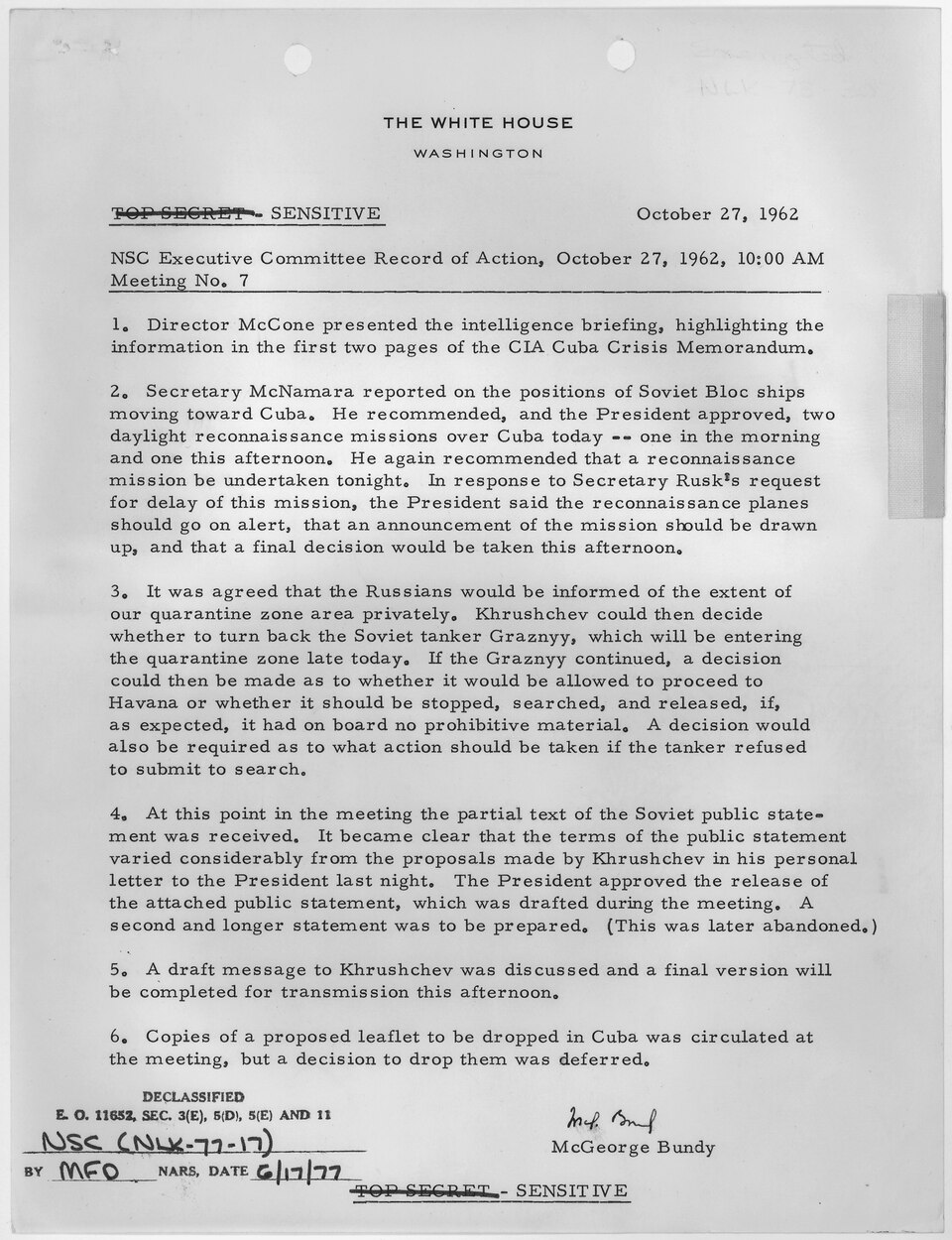
First page of the U.S. National Security Council Executive Committee record of action for October 27, 1962, at 10 a.m.

The National Security Council records its 10 a.m. meeting

An official record of action from the Executive Committee of the National Security Council, meeting number seven, held at 10 a.m. on October 27. These are the contemporaneous written decisions and discussions of Kennedy’s crisis advisers. They show the bureaucratic paper trail behind decisions taken while U.S. and Soviet forces remained on alert.

Photo details
Date
October 27, 1962, 10 a.m.
Location
Washington, D.C., United States
Photographer
McGeorge Bundy / White House
Archive / collection
U.S. National Archives, record 193368
Rights / license
United States federal government or military archival work in the public domain in the United States; source credit included.
Credit
McGeorge Bundy / White House / U.S. National Archives, record 193368 / Wikimedia Commons
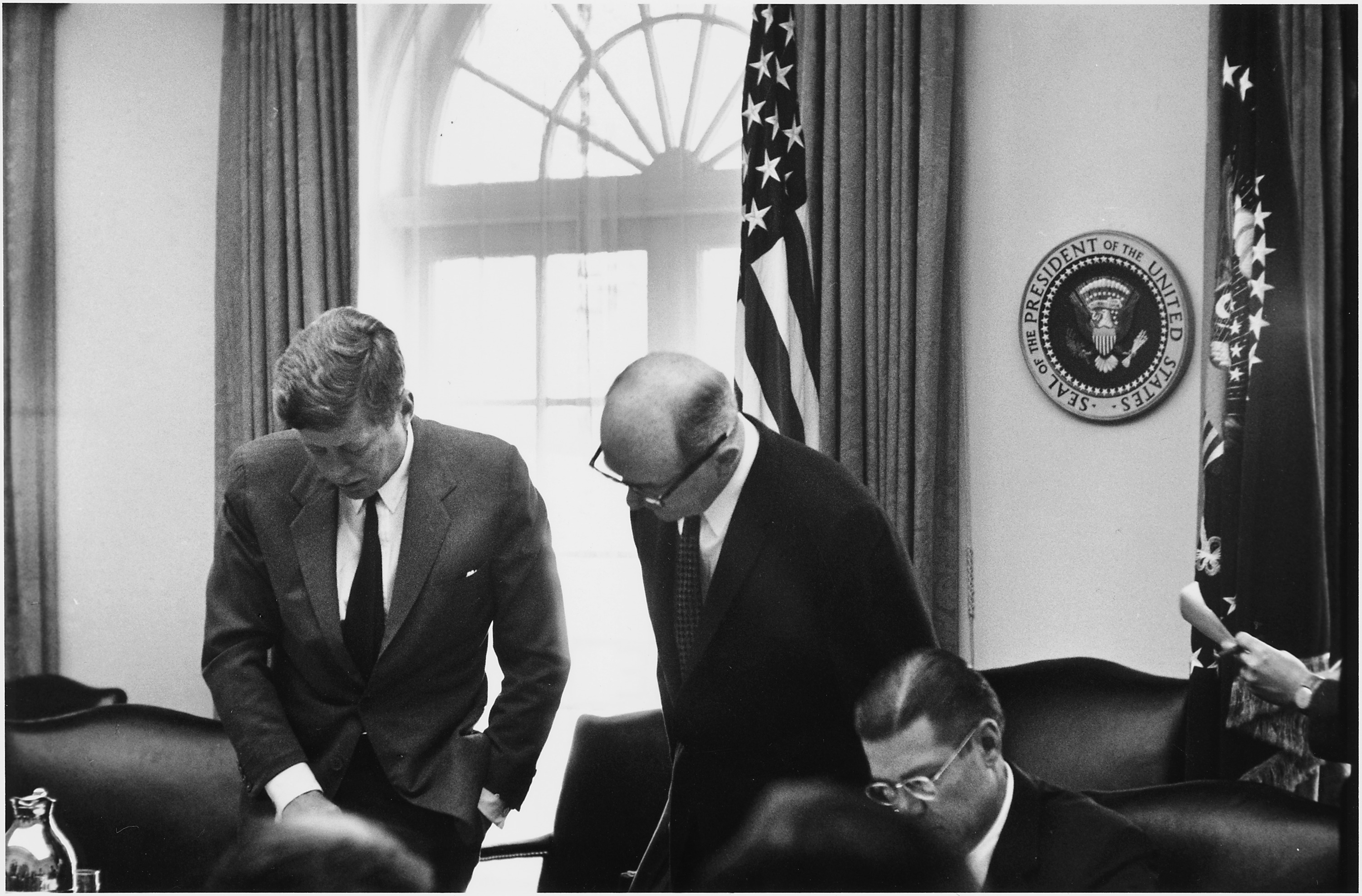
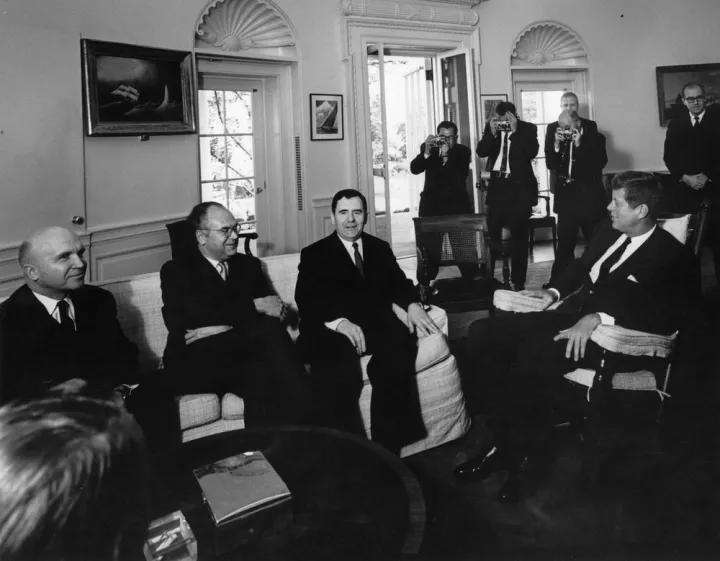
John F. Kennedy and U.S. national security advisers in a White House meeting during the Cuban Missile Crisis, October 29, 1962.

Kennedy and his advisers after the immediate danger

President Kennedy meets the Executive Committee of the National Security Council during the Cuban Missile Crisis. The National Archives dates this particular photograph to October 29, 1962—two days after Black Saturday—when the Soviet decision to withdraw missiles had begun to ease the confrontation. It is an aftermath image, not a picture of the October 27 meeting.

Photo details
Date
October 29, 1962 (aftermath)
Location
White House, Washington, D.C.
Photographer
Cecil W. Stoughton, White House photographer
Archive / collection
U.S. National Archives, record 194246
Rights / license
United States federal government or military archival work in the public domain in the United States; source credit included.
Credit
Cecil W. Stoughton, White House photographer / U.S. National Archives, record 194246 / Wikimedia Commons
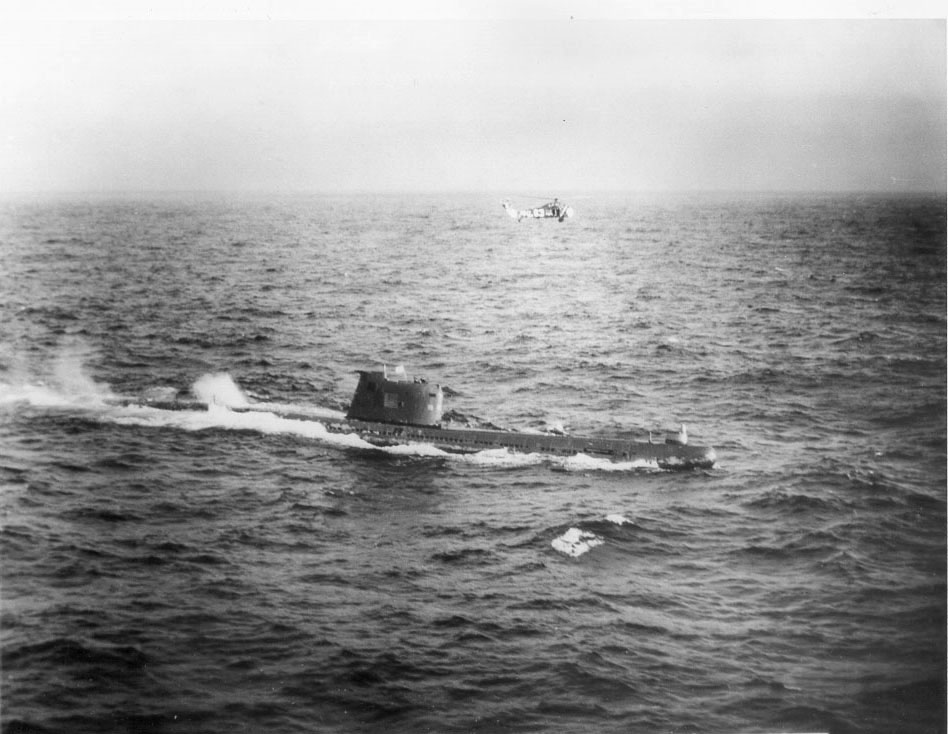
Soviet submarine B-59 photographed by the U.S. Navy on October 28–29, 1962.

Soviet submarine B-59 during the naval confrontation

A U.S. Navy photograph shows Soviet submarine B-59 during the Cuban Missile Crisis, dated October 28–29, 1962 in the source record. The submarine had endured encounters with American naval forces during the crisis. Its crew’s experience illustrated another danger: at sea, commanders on both sides could misinterpret signals while nuclear war appeared possible. The photo was not taken on October 27 itself.

Photo details
Date
October 28–29, 1962
Location
Atlantic Ocean near the Cuban quarantine line
Photographer
United States Navy photographer
Archive / collection
U.S. Navy / Wikimedia Commons
Rights / license
United States federal government or military archival work in the public domain in the United States; source credit included.
Credit
United States Navy photographer / U.S. Navy / Wikimedia Commons / Wikimedia Commons
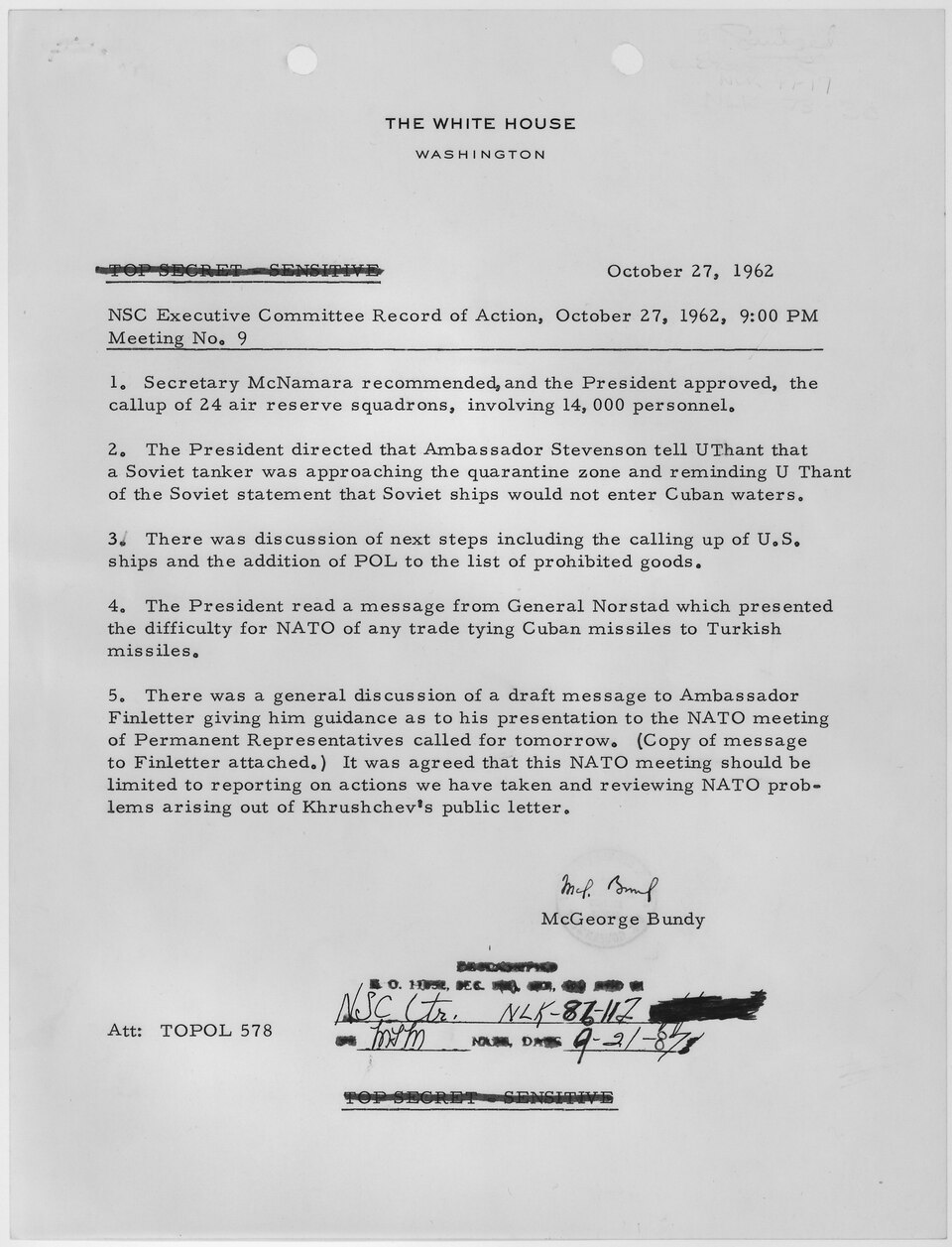
National Security Council Executive Committee 9 p.m. record of action from October 27, 1962.

The 9 p.m. executive meeting on Black Saturday

The executive committee’s record of action for 9 p.m. on October 27, 1962, provides a second same-day document. American officials were trying to keep military responses controlled and find a route out of confrontation. The record should be read alongside Kennedy’s correspondence with Khrushchev, not as proof that a peaceful outcome was already assured.

Photo details
Date
October 27, 1962, 9 p.m.
Location
Washington, D.C., United States
Photographer
McGeorge Bundy / White House
Archive / collection
U.S. National Archives, record 193372
Rights / license
United States federal government or military archival work in the public domain in the United States; source credit included.
Credit
McGeorge Bundy / White House / U.S. National Archives, record 193372 / Wikimedia Commons

More Photo History

Read the story