The first Hurricane flew on November 6, 1935. These photographs begin with the prototype at Brooklands and follow the aircraft into wartime service. They show a design that depended on ground crews and factory workers, and that changed as the war demanded new jobs.
Topic: Military Aviation
01 / 06
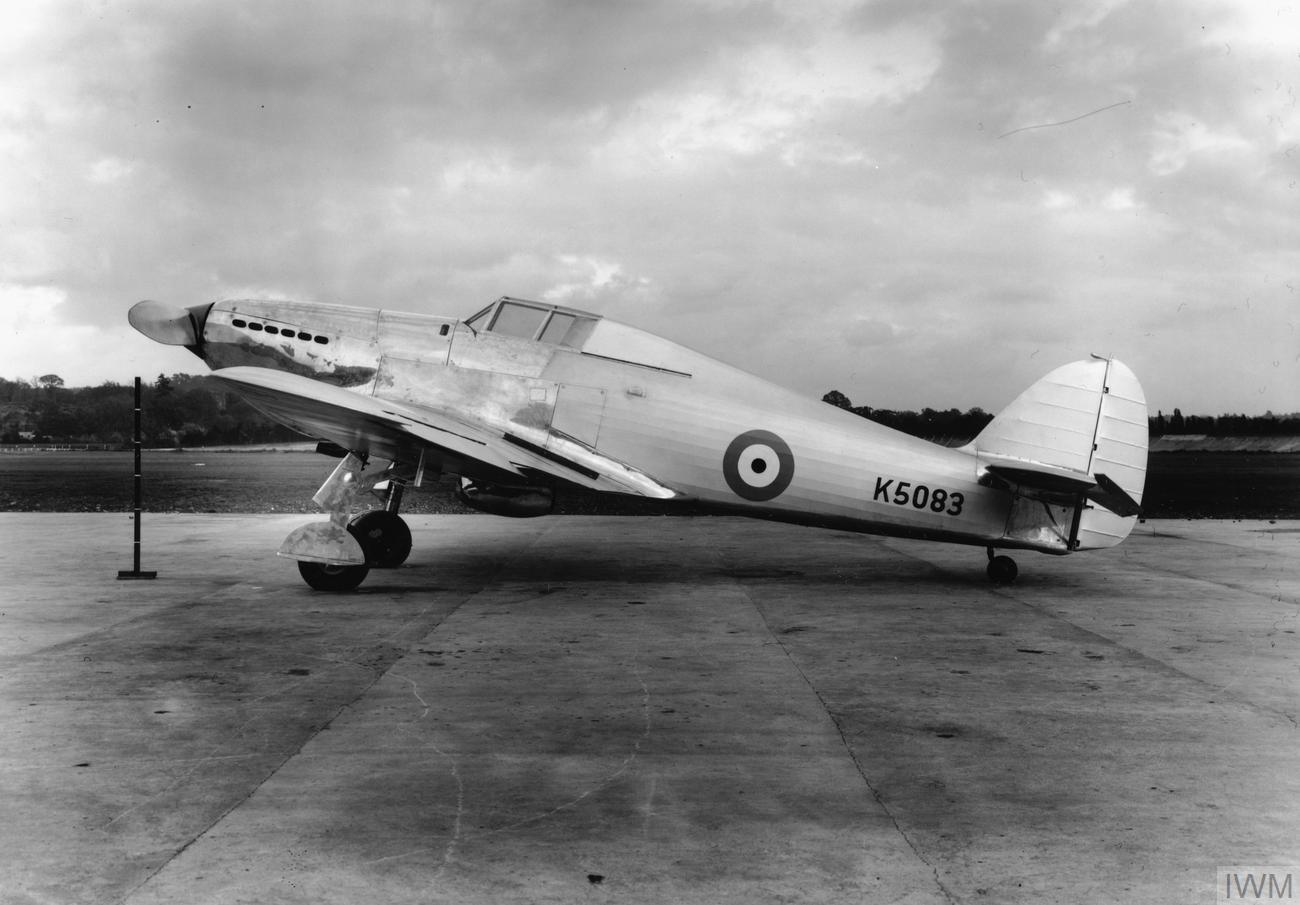
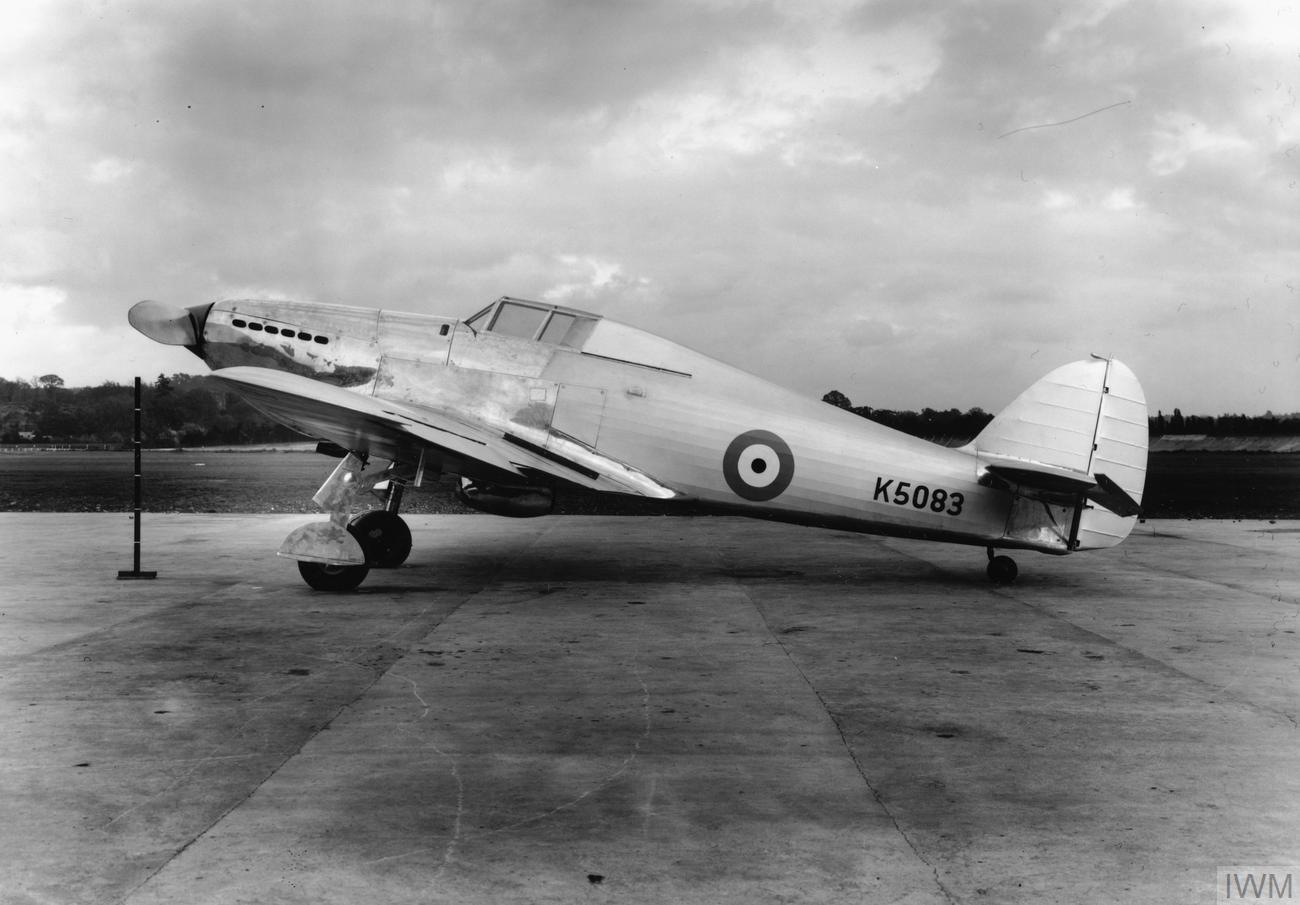
K5083 at Brooklands
The Hurricane prototype stands at Brooklands before its first flight on November 6, 1935. Hawker’s chief test pilot, George Bulman, took it into the air that day. The photograph shows the clean outline of the new monoplane, with a two-bladed propeller, before years of production changes and wartime adaptation.
Imperial War Museums, ATP 8654D; via Wikimedia Commons
02 / 06
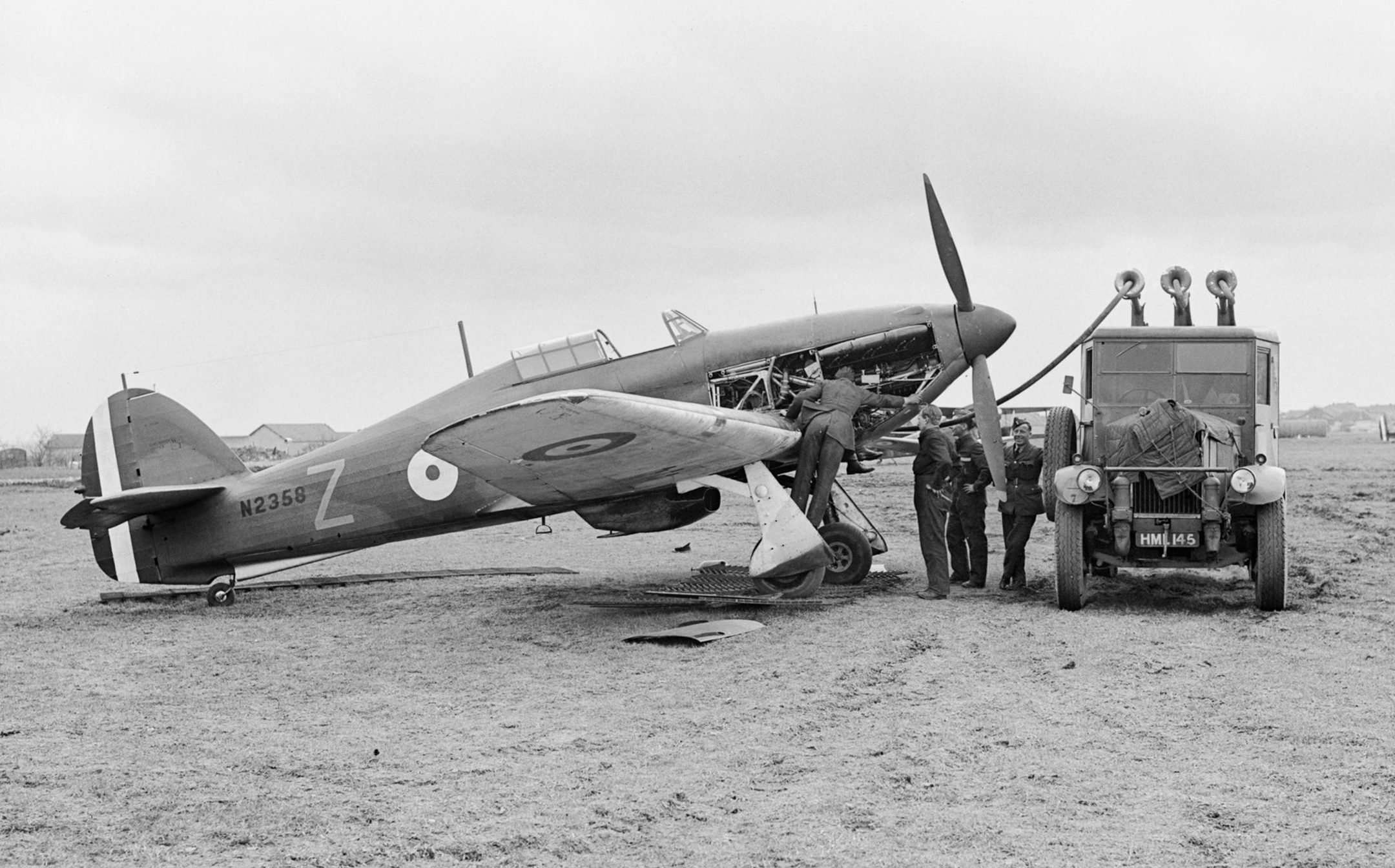
The work between sorties
Ground crew refuel Hurricane N2358 of No. 1 Squadron while checking its engine at Vassincourt in April 1940. Panels are open and men work around the aircraft. The German offensive in the West had not yet begun. Servicing like this kept the fighter force ready during the months before the retreat through France.
Imperial War Museums, C 1234; via Wikimedia Commons
03 / 06
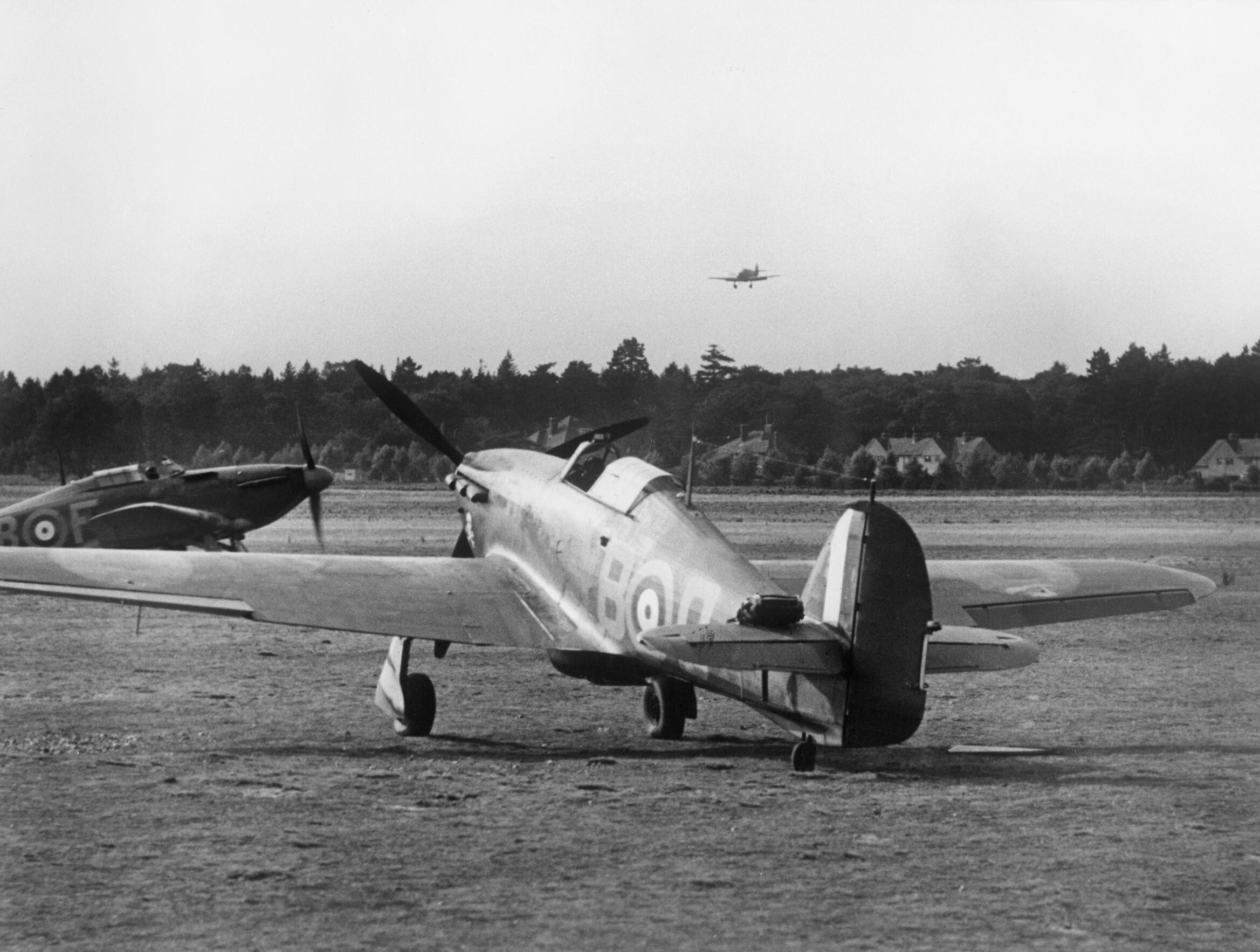
Hurricanes at Debden
No. 17 Squadron’s Hurricanes are on the grass at Debden in July 1940 as another aircraft comes in to land. The scene falls within the opening period of the Battle of Britain. Dispersed fighters, airfield space and the ability to turn aircraft around for another sortie were part of the daily defense.
Imperial War Museums, HU 54414; via Wikimedia Commons
04 / 06
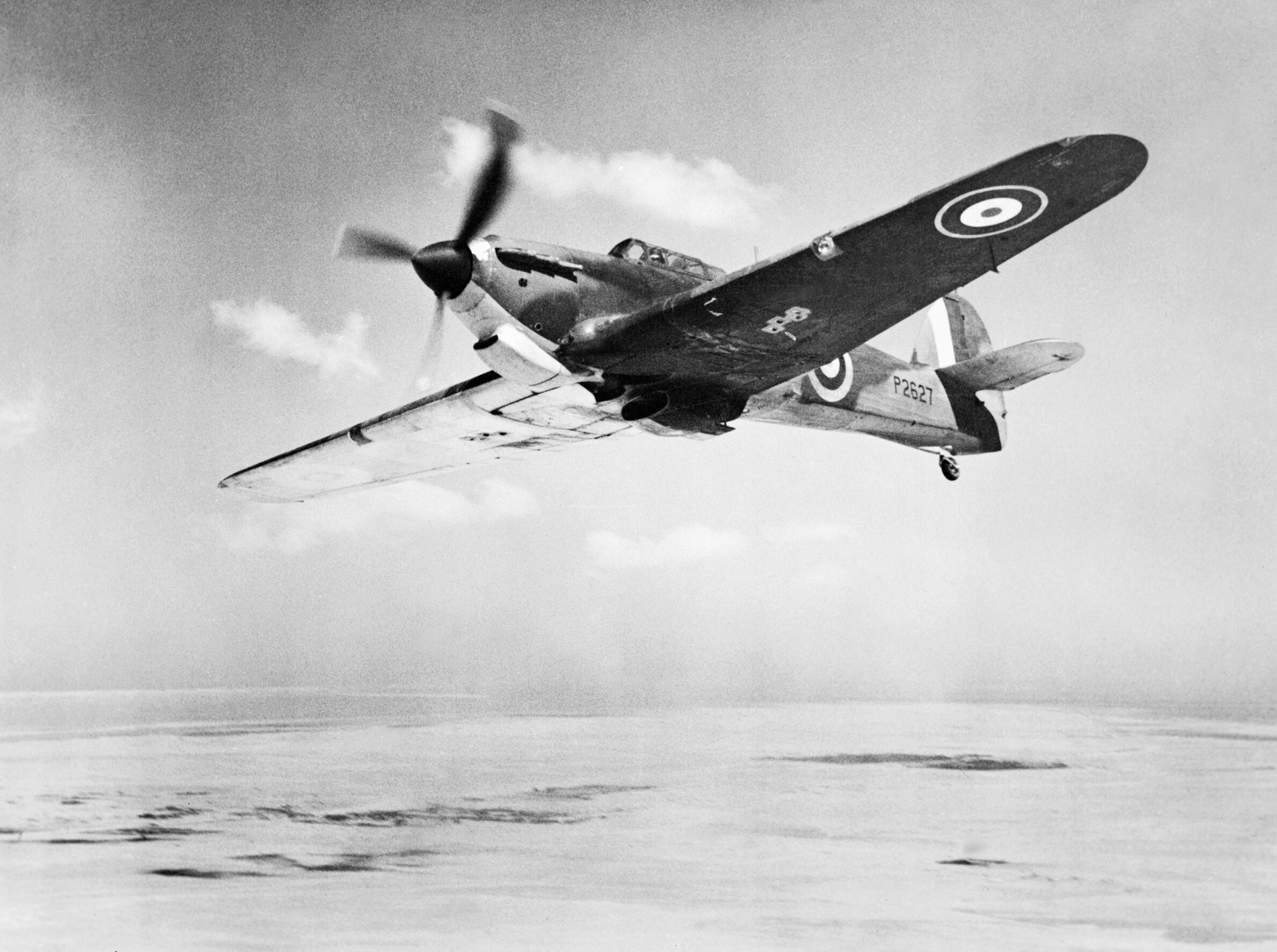
Over Egypt
A Hurricane Mark I flies over Egypt in October 1940, according to the Imperial War Museums caption. Its profile is familiar from the fighting over Britain, but the setting points to a much wider service history. Hurricanes operated in North Africa as Britain fought to retain its position in the Mediterranean and Middle East.
Photo details
Date
October 1940, as captioned by IWM
Location
Egypt
Photographer
Photographer unidentified; Air Ministry official collection
Imperial War Museums, CM 131; via Wikimedia Commons
05 / 06
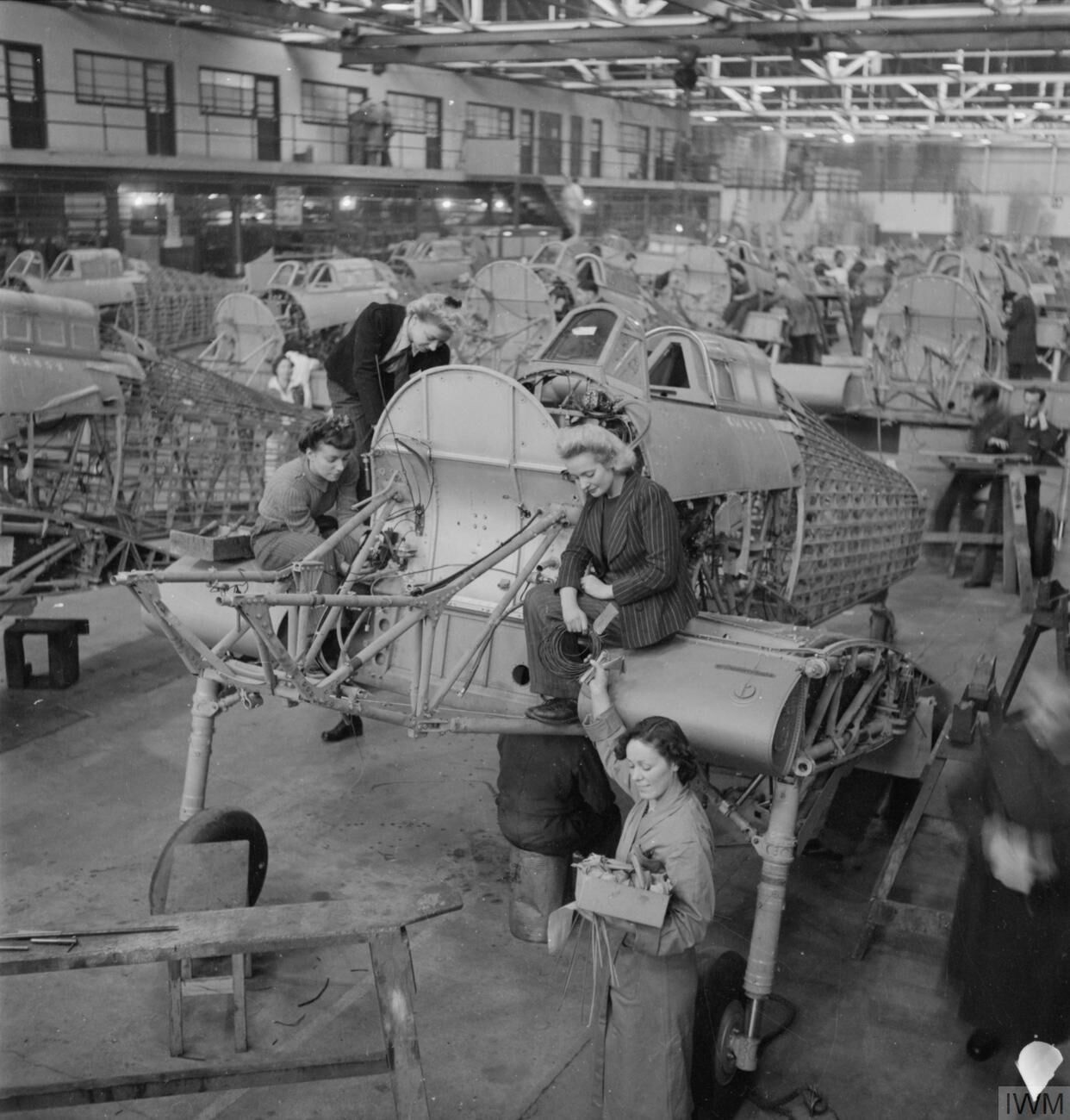
The people building the aircraft
Winnie Bennett, Dolly Bennett, Florence Simpson and a colleague work on Hurricane production in Britain in 1942. Richard Stone made the photograph for the Ministry of Information. The archive identifies the workers, but does not specify the factory in this record. Their labor connects the fighter’s combat reputation to its industrial foundations.
Photo details
Date
1942
Location
United Kingdom; factory not specified in record
Photographer
Richard Stone, Ministry of Information Photo Division
Imperial War Museums, D 11126; via Wikimedia Commons
06 / 06
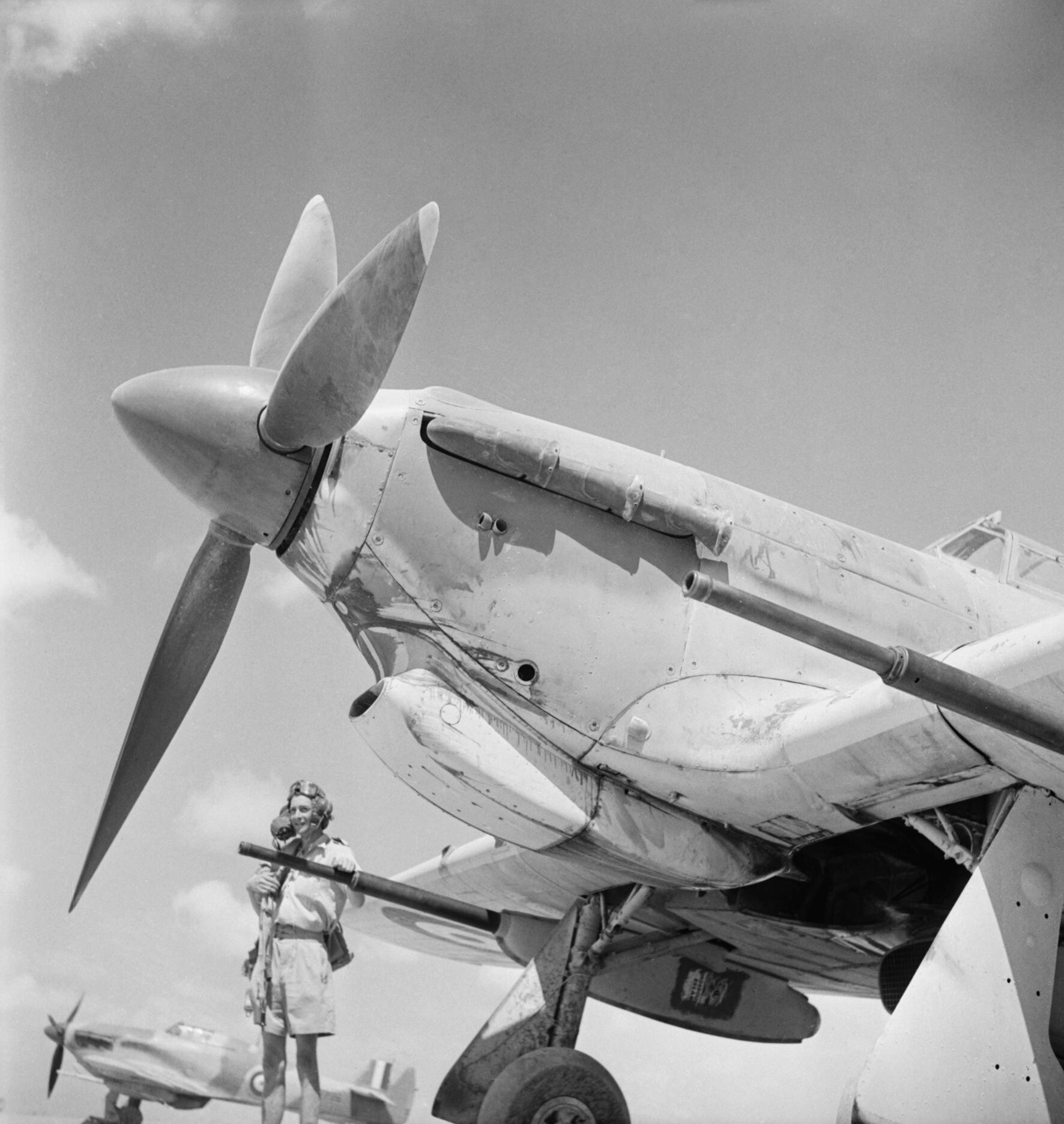
A different job in the desert
A No. 6 Squadron pilot stands beside a Hurricane Mark IID at Shandur, Egypt, around 1942. The large underwing weapon is a 40-millimeter Vickers anti-tank cannon. This version carried two such guns, one beneath each wing, adapting an aircraft designed as a fighter to attacks on armored vehicles.