John Adams’s world predates photography. This selection brings together five reproductions of historical portraits, prints and documents with a clearly dated photograph of his birthplace. The images carry arguments as well as likenesses.
Topic: John Adams and the early American republic
01 / 06
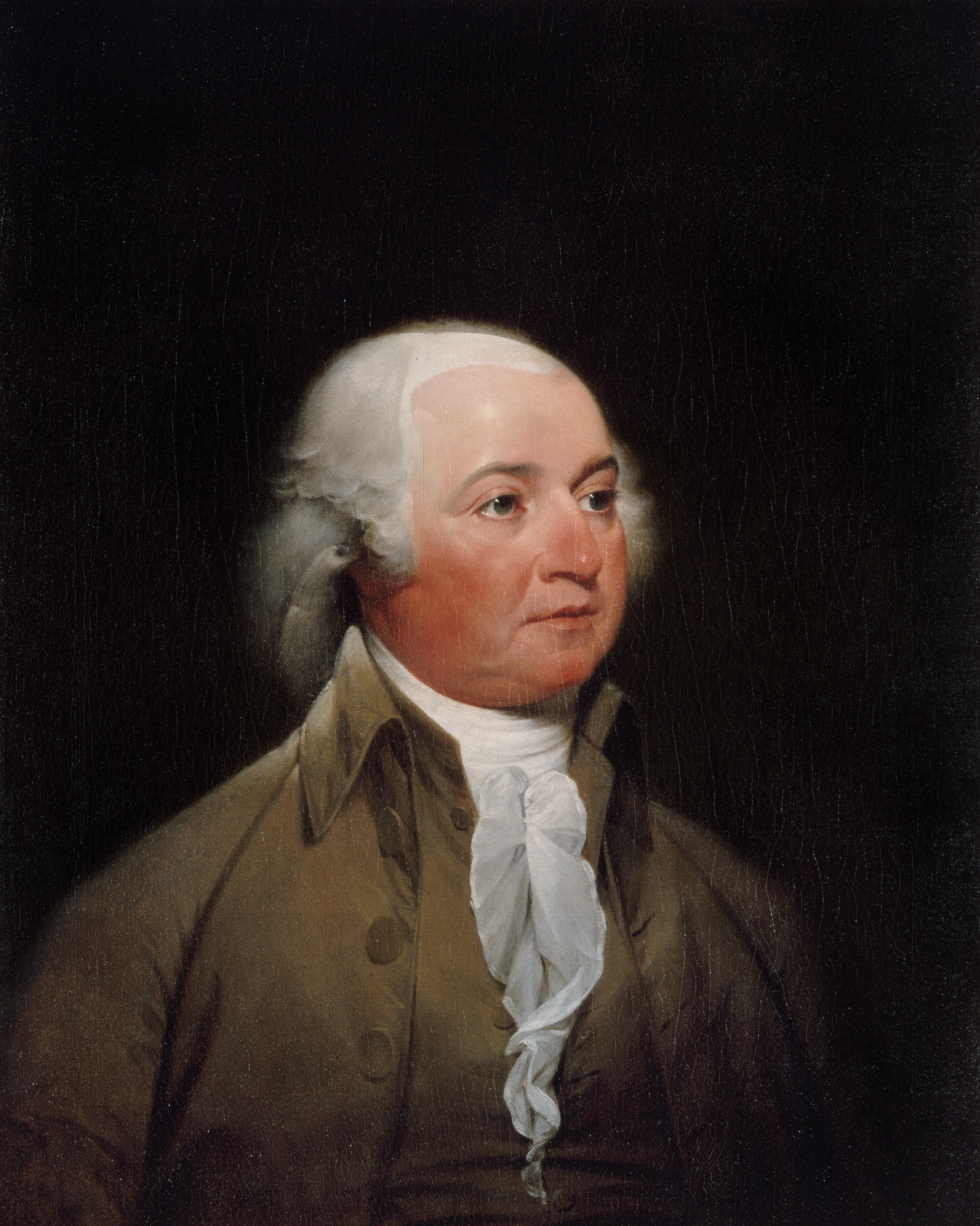
Adams before his presidency
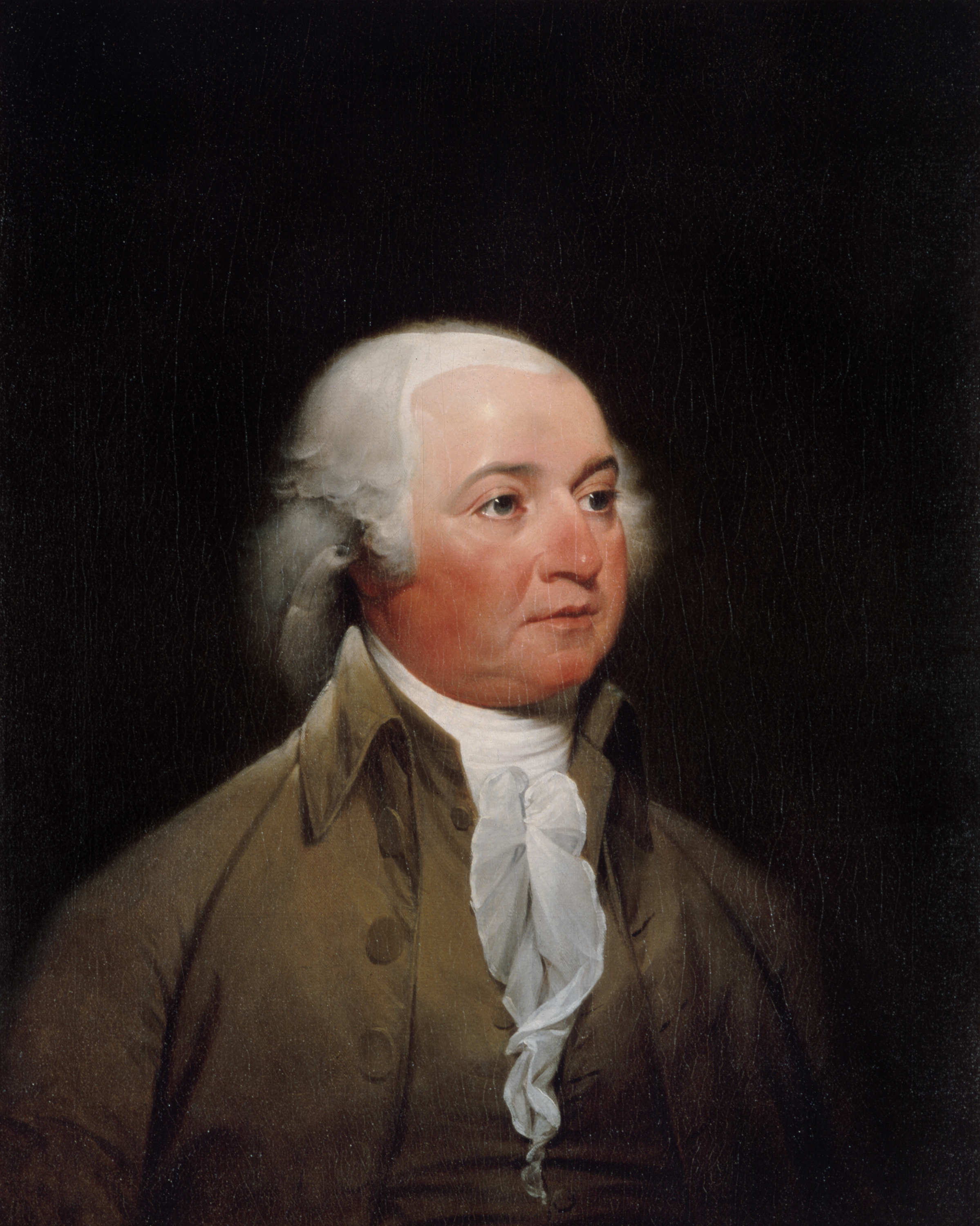
John Trumbull painted this portrait around 1792–1793, while Adams was vice president. It is an oil painting, reproduced here from the White House collection. The familiar presidential association should not obscure its earlier date.
Photo details
Date
Circa 1792–1793; painting
Location
White House collection, Washington, D.C.
Photographer
John Trumbull
Archive / collection
White House Collection / White House Historical Association
John Trumbull / White House Collection / White House Historical Association; Public domain: expired copyright
02 / 06
The surviving birthplace
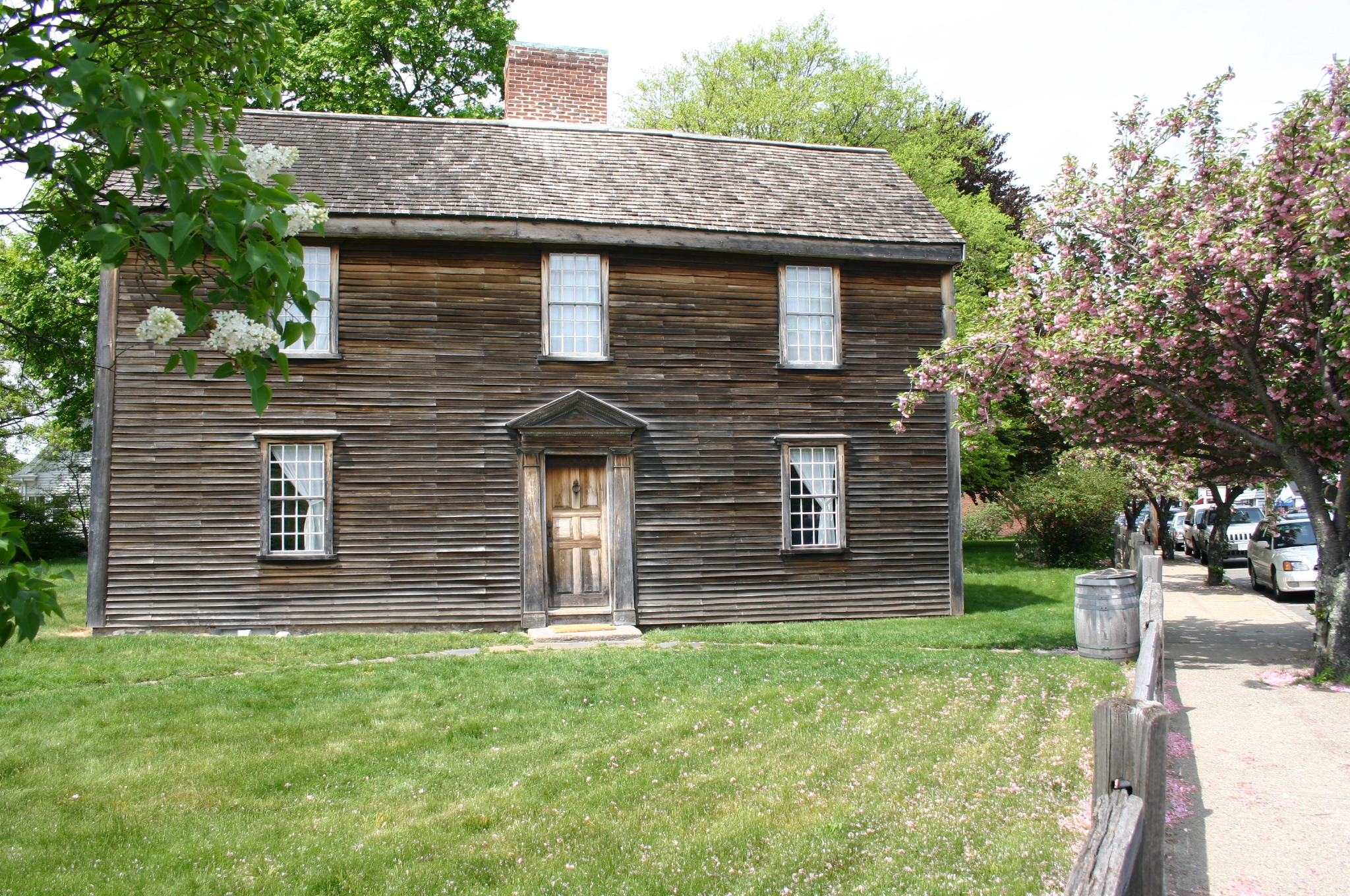
The National Park Service photographed the John Adams Birthplace on May 12, 2007. The house stands in present-day Quincy, Massachusetts, once part of Braintree. This is a modern record of the preserved building, not evidence of its exact appearance in 1735.
National Park Service / Adams National Historical Park; Public domain: U.S. government work
03 / 06
An image meant to persuade
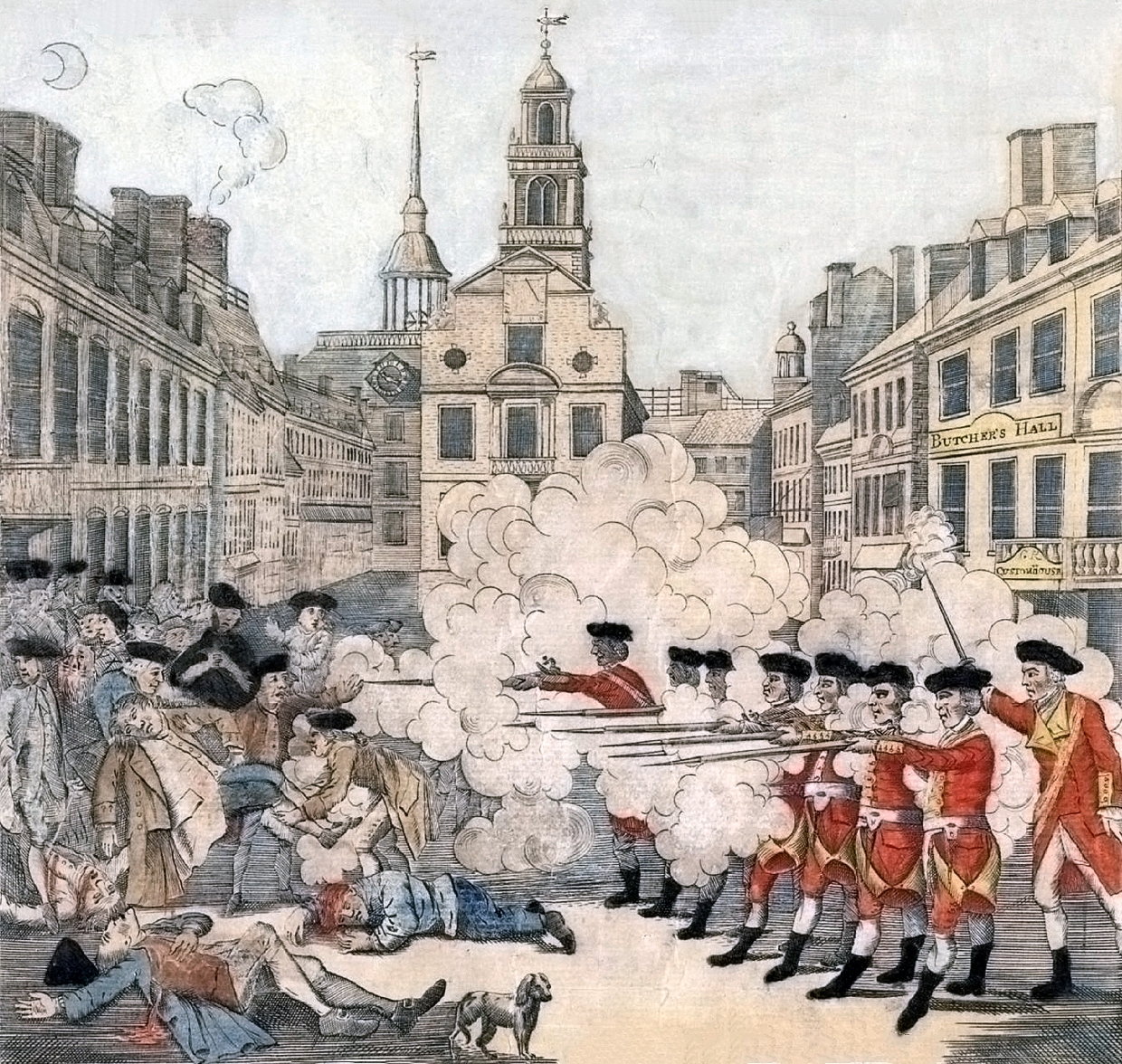
Paul Revere’s 1770 engraving turned the Boston shooting into a powerful political image. Its orderly line of soldiers and defenseless-looking crowd present an argument. Adams’s courtroom defense had to test accounts and evidence; the print should not be treated as an impartial eyewitness photograph.
Photo details
Date
1770; engraving
Location
Boston, Massachusetts
Photographer
Paul Revere
Archive / collection
Library of Congress, ppmsca.01657 / Wikimedia Commons
Paul Revere / Library of Congress, ppmsca.01657 / Wikimedia Commons; Public domain: expired copyright
04 / 06
A committee remembered in paint
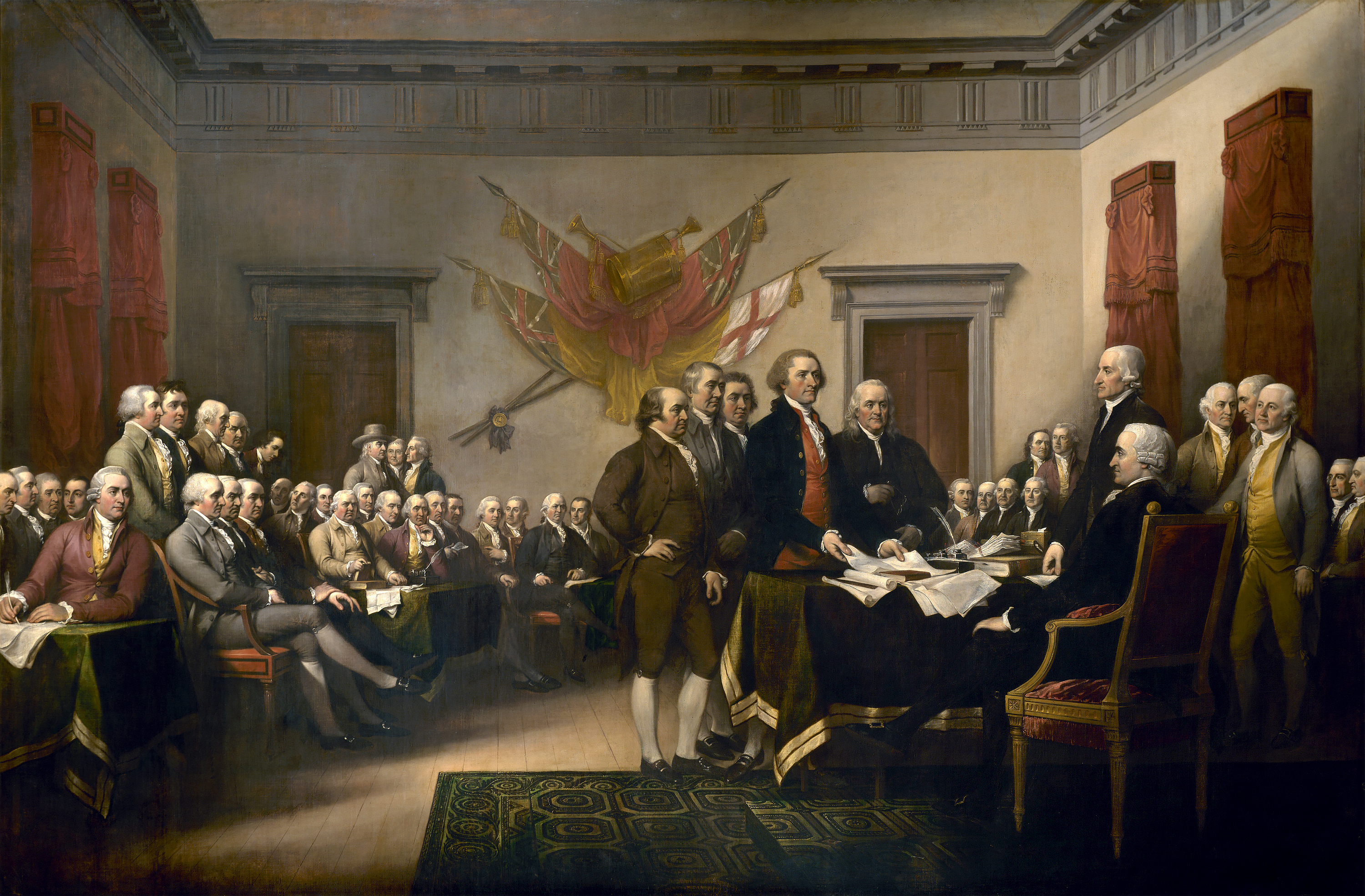
Trumbull places Adams with the committee presenting the Declaration’s draft to Congress. The Capitol painting was made in 1817–1818 and arrived there in 1819, decades after 1776. It includes people who were not present at the represented moment and is not a picture of a mass signing ceremony.
John Trumbull / U.S. Capitol / Architect of the Capitol; Public domain: expired copyright
05 / 06
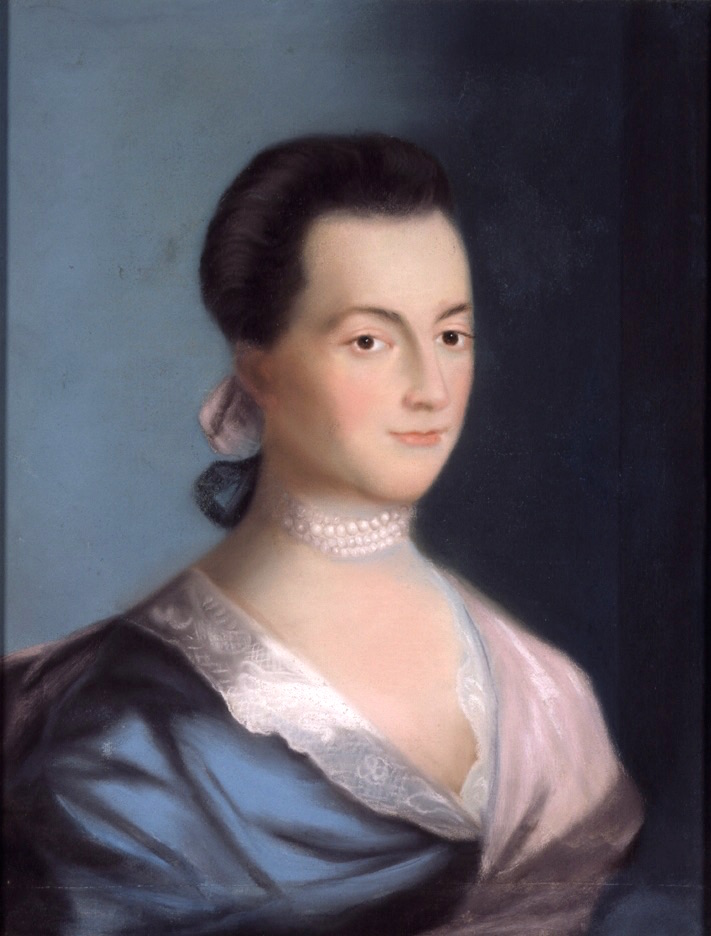
Abigail Adams in 1766
Benjamin Blyth’s portrait shows Abigail two years after her marriage to John. Her surviving correspondence records household management, political judgment and challenges to her husband’s assumptions. This is a reproduction of an eighteenth-century portrait, not a photograph of Abigail.
Benjamin Blyth / Wikimedia Commons; Public domain: expired copyright
06 / 06
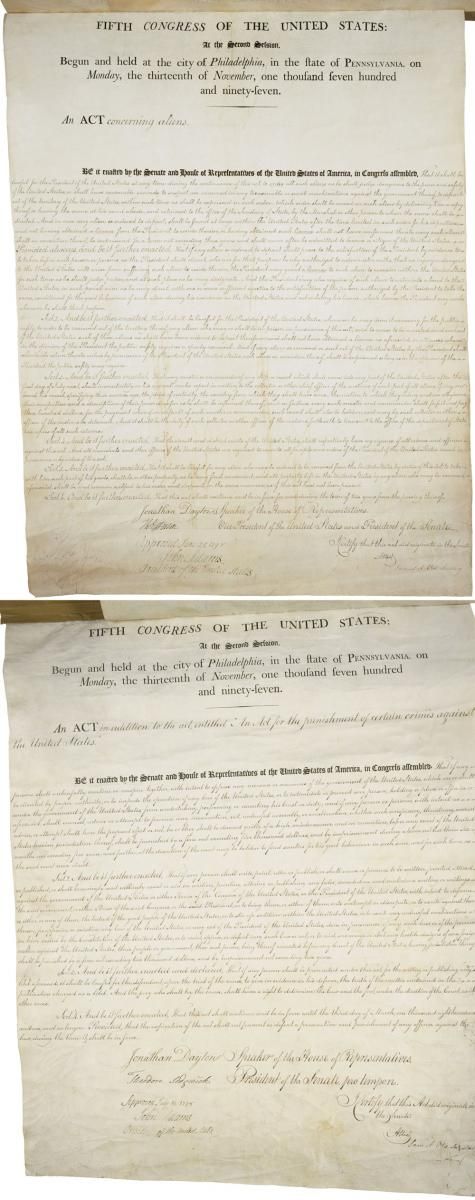
The Alien and Sedition Acts on paper
The National Archives presents two enrolled acts together: the Alien Act, approved June 25, 1798, and the Sedition Act, approved July 14. Adams’s approval appears near the foot of each document. The first gave the president power to order certain foreign nationals to leave the country; the second criminalized specified hostile writings against the federal government. This is an archive-supplied pairing of two separate historical documents.
Photo details
Date
June 25 and July 14, 1798; documents, later digitized