The October 1863 Geneva conference gave national relief societies an agreed structure. These portraits and documents trace the work around it, from Dunant’s account of Solferino to the first Geneva Convention in 1864.
Topic: Origins of the Red Cross
01 / 06
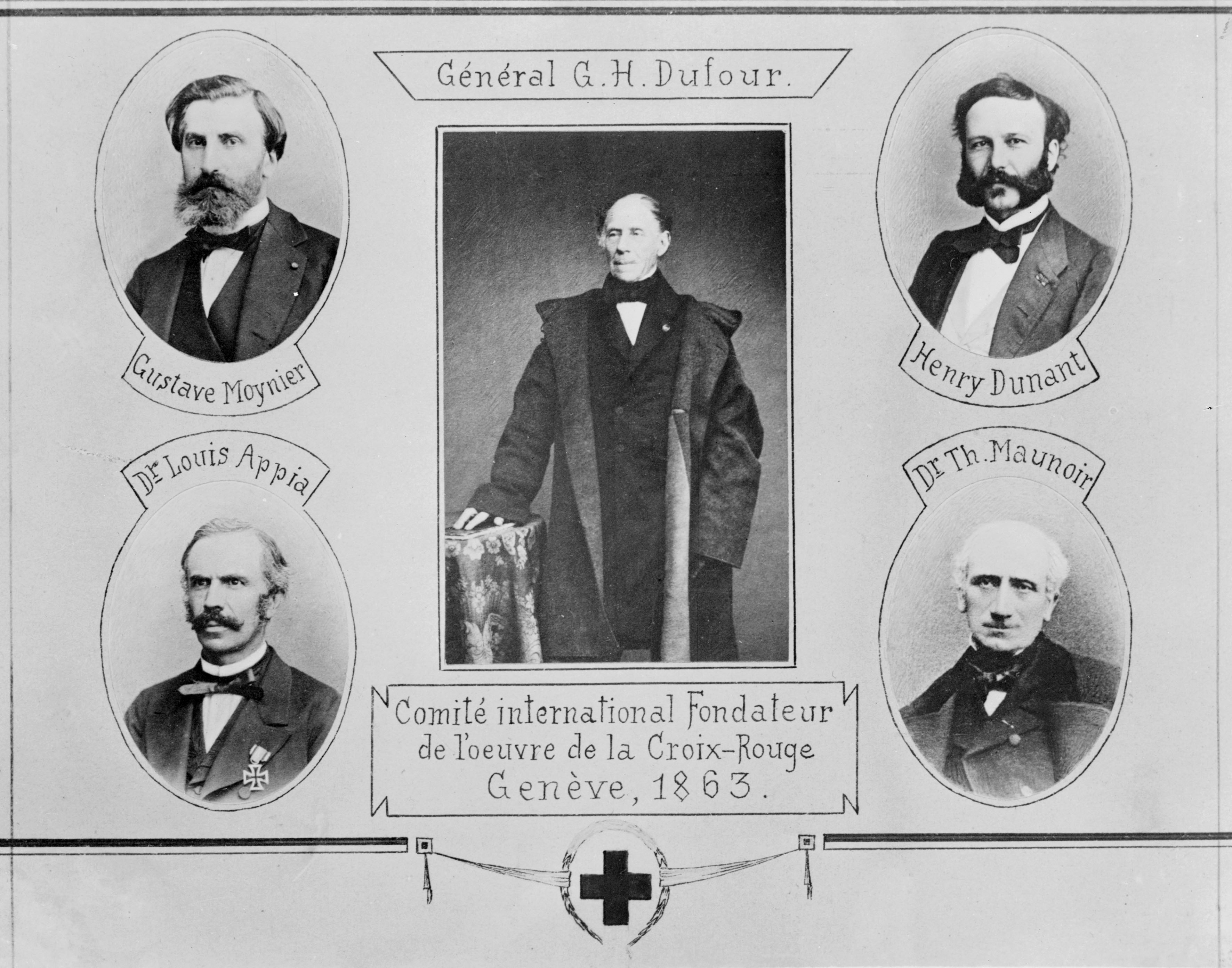
The committee behind the conference
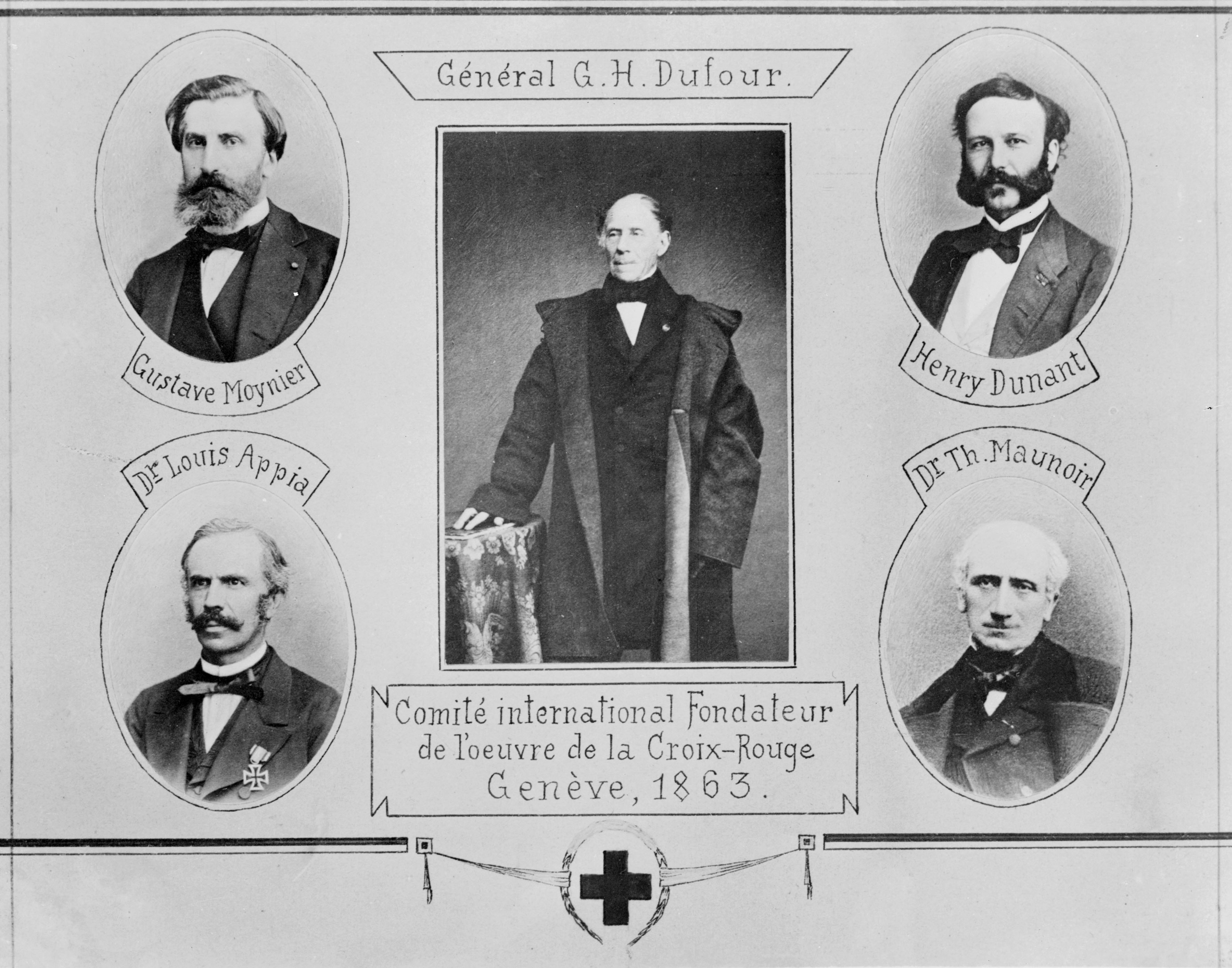
A composite portrait identifies the five members of the Geneva committee: Louis Appia, Guillaume-Henri Dufour, Henry Dunant, Théodore Maunoir and Gustave Moynier. It is a commemorative arrangement of portraits, not a photograph of the October conference in session.
ICRC Audiovisual Archives, V-P-HIST-00113 / Wikimedia Commons; CC BY-SA 4.0.
02 / 06
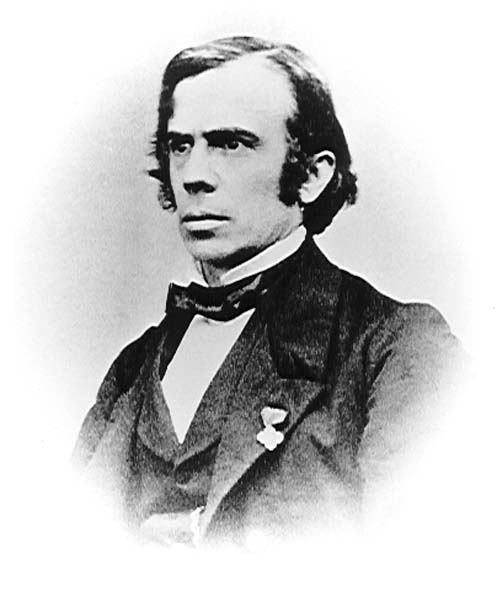
Henry Dunant in the founding year
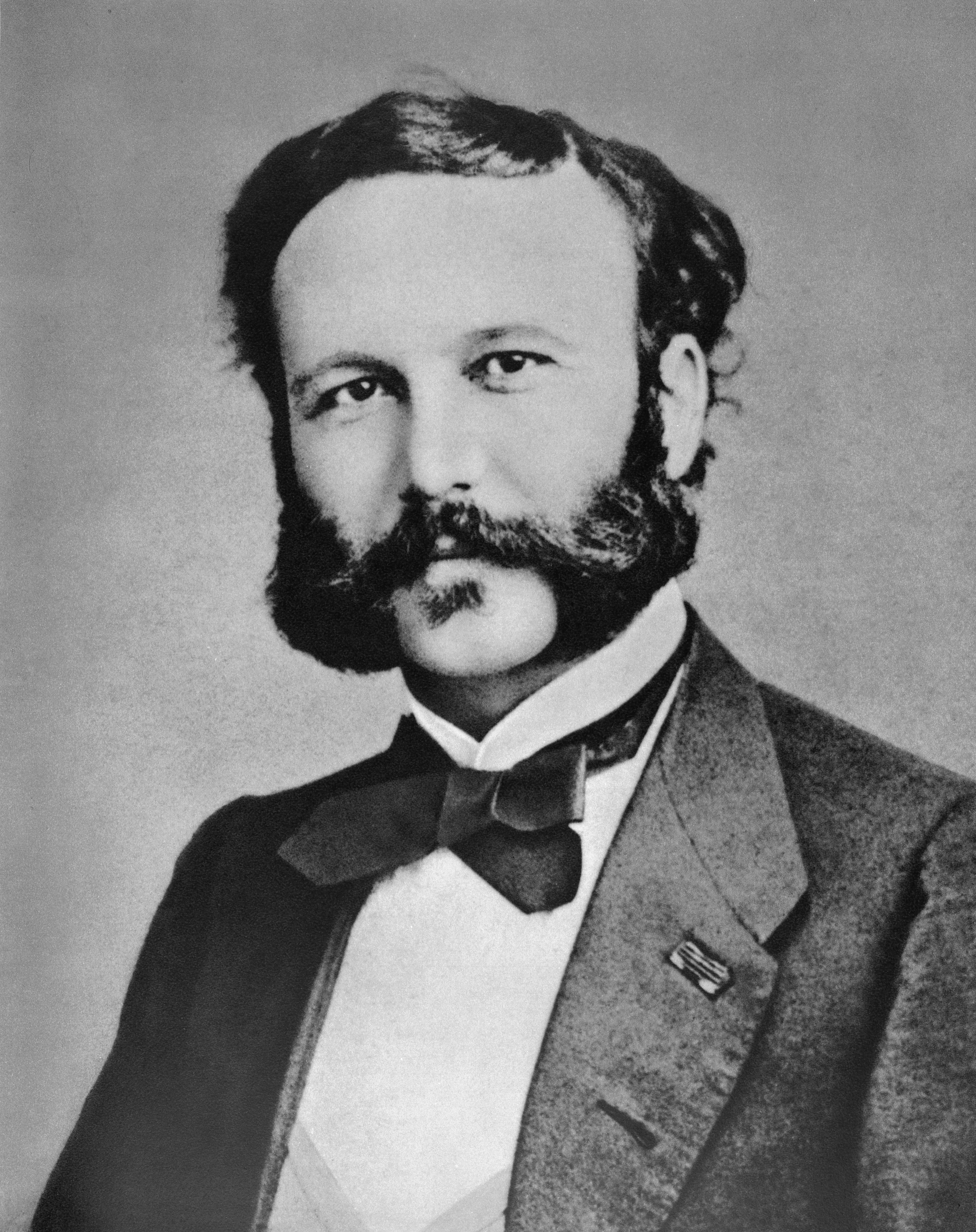
Dunant’s experience at Solferino led him to argue for permanent relief societies and an international agreement protecting the wounded. The ICRC dates this portrait to 1863. The reproduced file has received contrast adjustment and dust cleanup, noted in its Commons history.
Photo details
Date
1863, according to the ICRC archive
Location
Geneva, Switzerland
Photographer
Boissonnas studio; cataloged by ICRC as Frédéric Boissonnas
Archive / collection
ICRC / Wikimedia Commons
Rights / license
Public domain, as documented by Wikimedia Commons; historical photograph.
Ville de Genève / ICRC, V-P-HIST-00021 / Wikimedia Commons; public domain.
03 / 06
An argument begins on paper
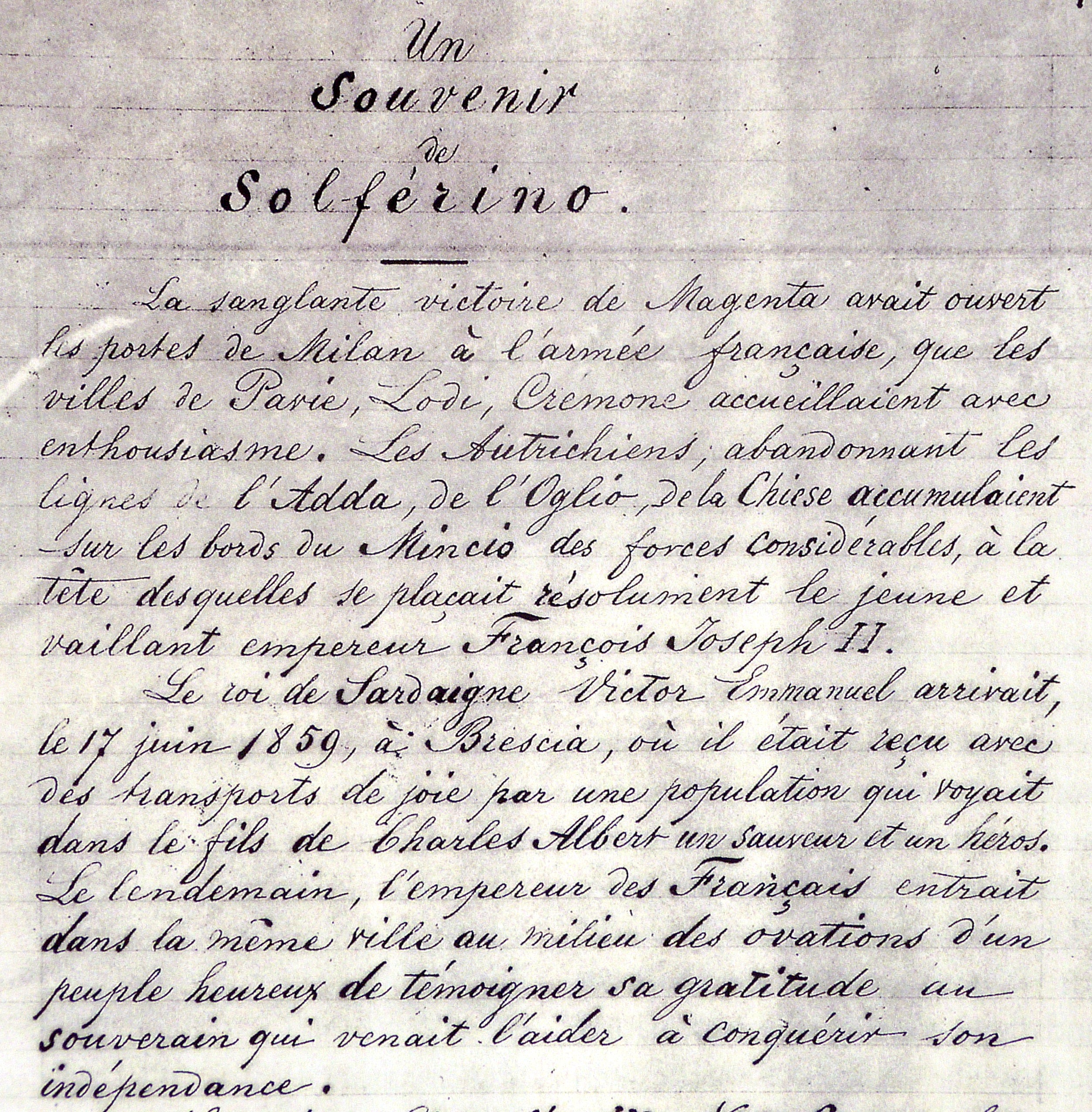
The opening page of A Memory of Solferino survives here in a handwritten version. Dunant’s 1862 book moved from an account of wounded soldiers to proposals for trained volunteers and an international agreement. The reproduced page represents the argument that preceded the October resolutions.
Photo details
Date
Circa 1862; modern reproduction photographed in 2010
Location
Geneva, Switzerland
Photographer
Henry Dunant; reproduction uploaded by Adrian Michael
Archive / collection
Wikimedia Commons
Rights / license
Public domain; historical manuscript by Henry Dunant, who died in 1910.
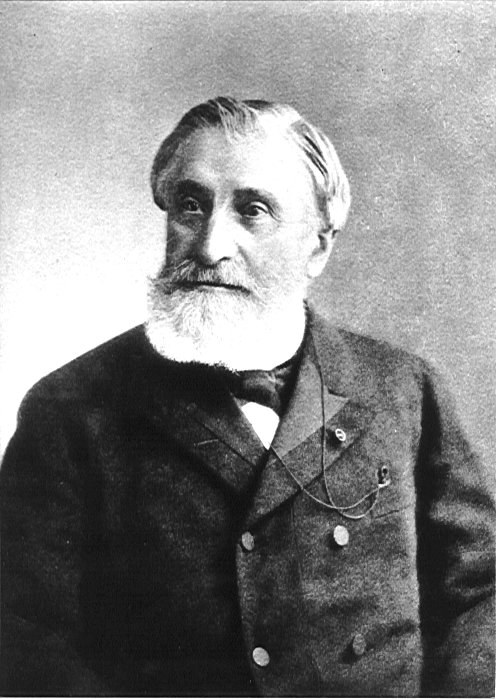
Moynier chaired the Geneva Society of Public Welfare, which took up Dunant’s proposals and appointed the small committee. This portrait comes from later in his life. His part in the story was organizational: the proposals needed meetings, correspondence and institutions capable of carrying them forward.
Photo details
Date
Undated; Commons estimates circa 1880–1900
Location
Exact location unrecorded
Photographer
Unknown
Archive / collection
Wikimedia Commons
Rights / license
Public domain, as documented by Wikimedia Commons; historical portrait.
Unknown photographer / Wikimedia Commons; public domain.
05 / 06
A physician among the founders
Louis Appia brought a medical perspective to the committee. The conference’s resolutions concerned training, supplies and how volunteer personnel would work with military services. This undated portrait is identified as Appia; it should not be treated as a scene from the 1863 meeting.
Photo details
Date
Undated; Commons estimates circa 1860–1880
Location
Exact location unrecorded
Photographer
Unknown
Archive / collection
Wikimedia Commons
Rights / license
Public domain, as documented by Wikimedia Commons; historical portrait.
Unknown artist / Wikimedia Commons; public domain.
06 / 06
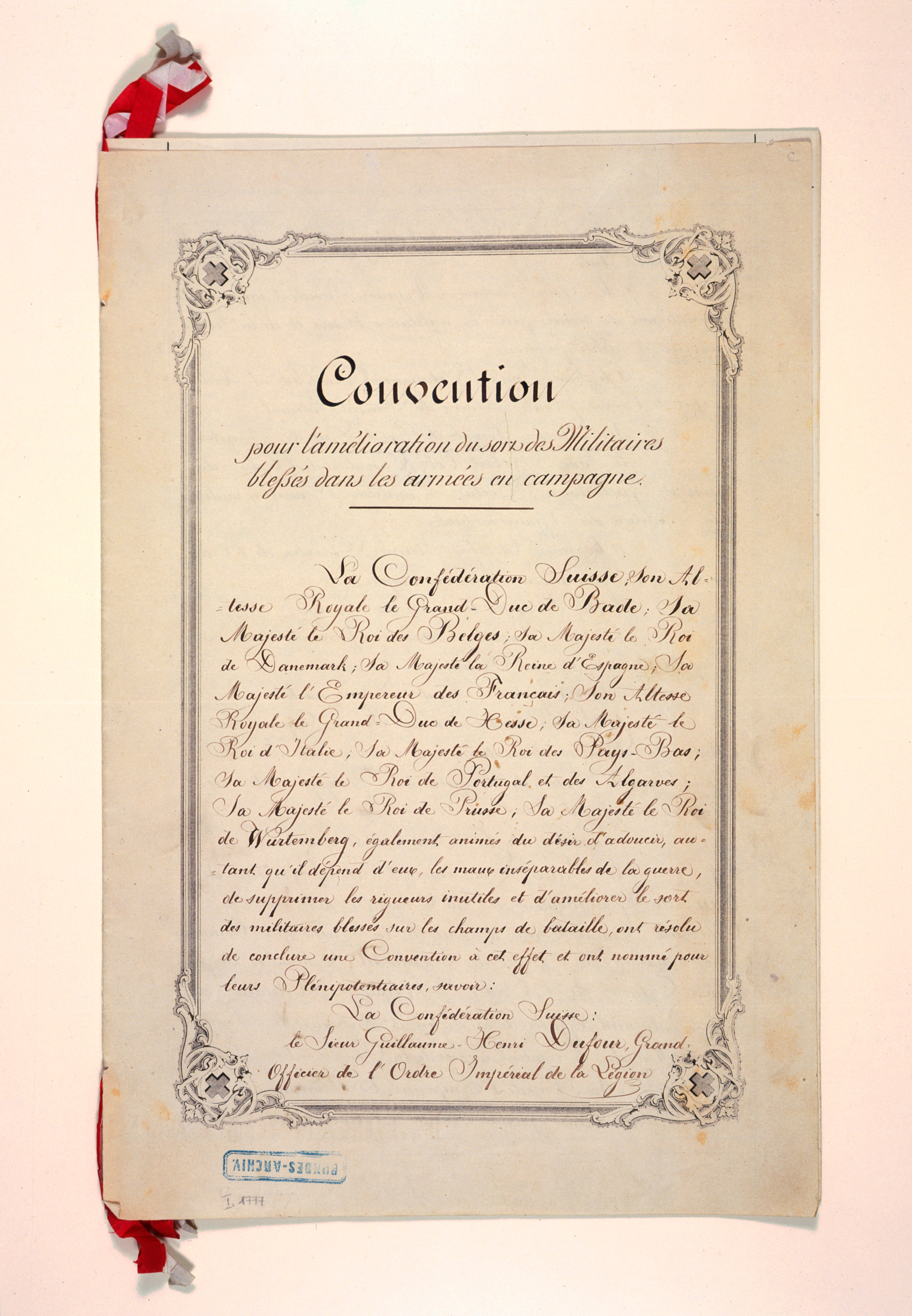
The legal agreement followed in 1864
The first page of the Geneva Convention shows the treaty that followed the resolutions. Signed on August 22, 1864, it established protections for wounded soldiers and medical services. This is a later reproduction of the document, not a photograph taken at the 1863 conference.
Photo details
Date
Document: August 22, 1864; reproduction published in 2013