The Gunpowder Plot left a substantial paper trail. The warning to Lord Monteagle, statements taken from prisoners and later printed images tell different parts of the story.
This gallery pairs surviving documents with a royal portrait, a later plan of Parliament and historical prints. Dates distinguish the 1605 records from later representations. None is presented as a photograph of the events.
Topic: European History
01 / 06
The king the plotters intended to kill
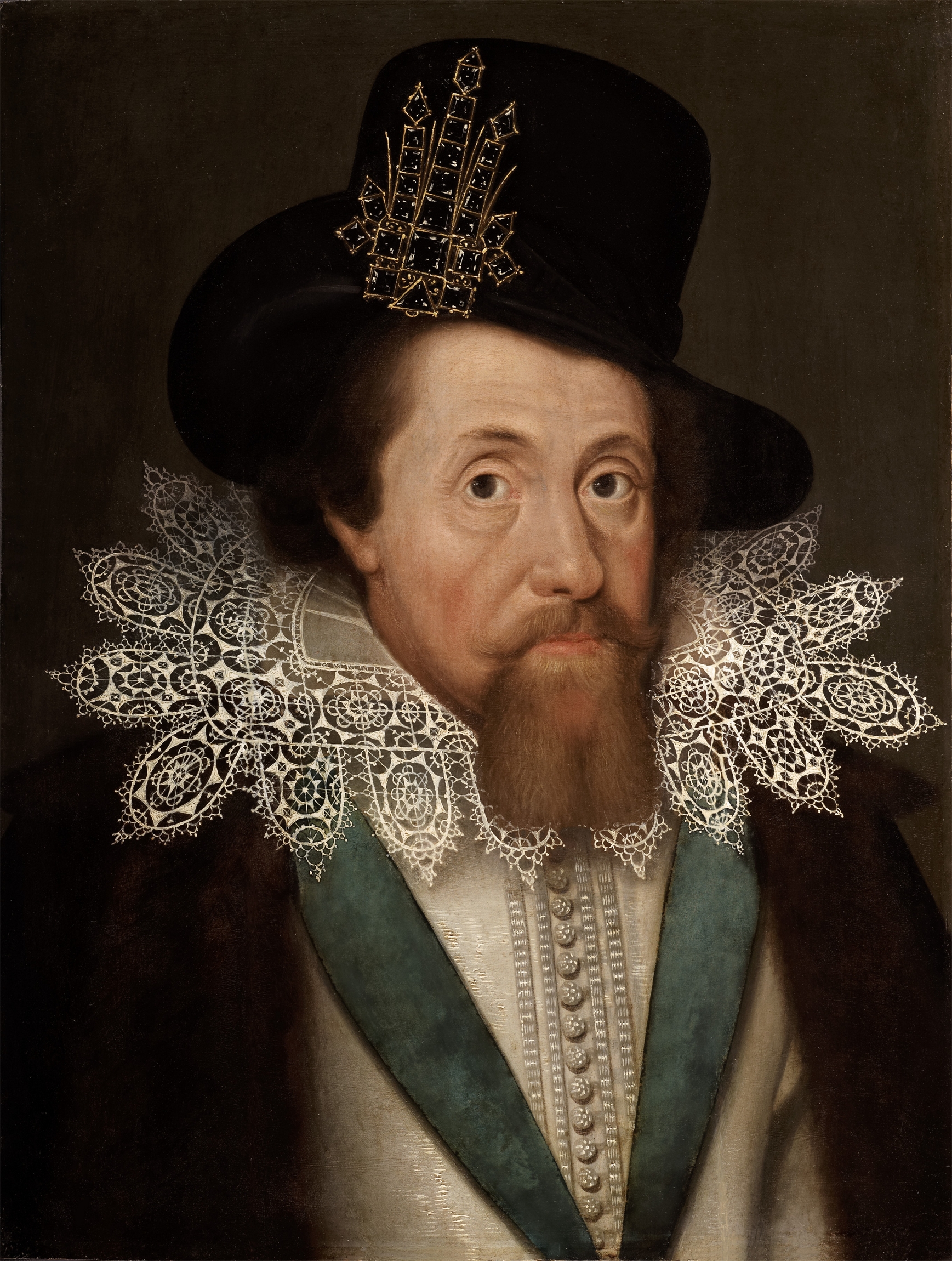
John de Critz’s portrait presents James in the formal language of monarchy. James had inherited the English crown in 1603 while remaining king of Scotland. Two years later Catesby’s circle planned to kill him during the state opening of Parliament.
John de Critz / Weiss Gallery; Wikimedia Commons reproduction
02 / 06
Parliament, plot and memory
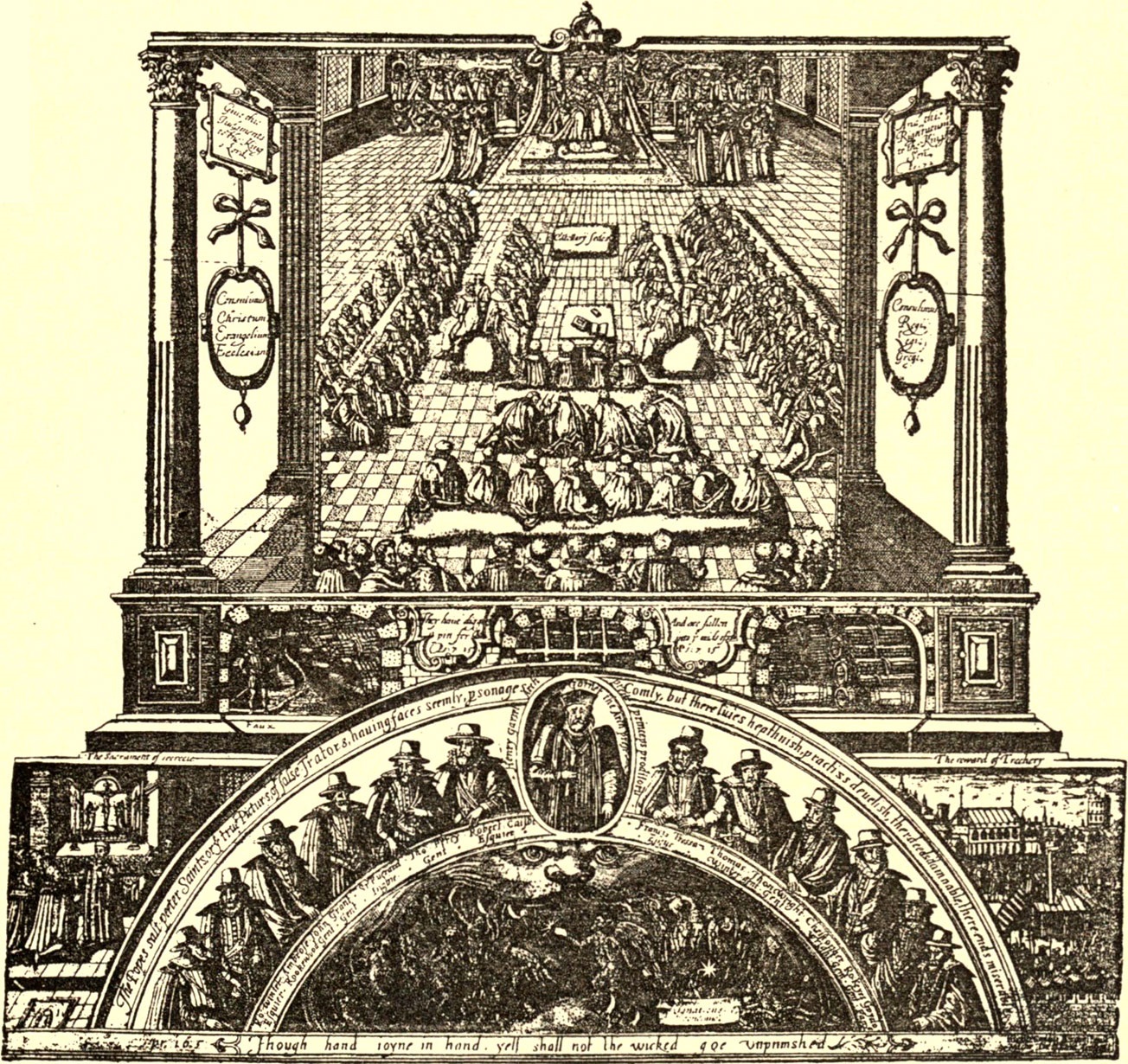
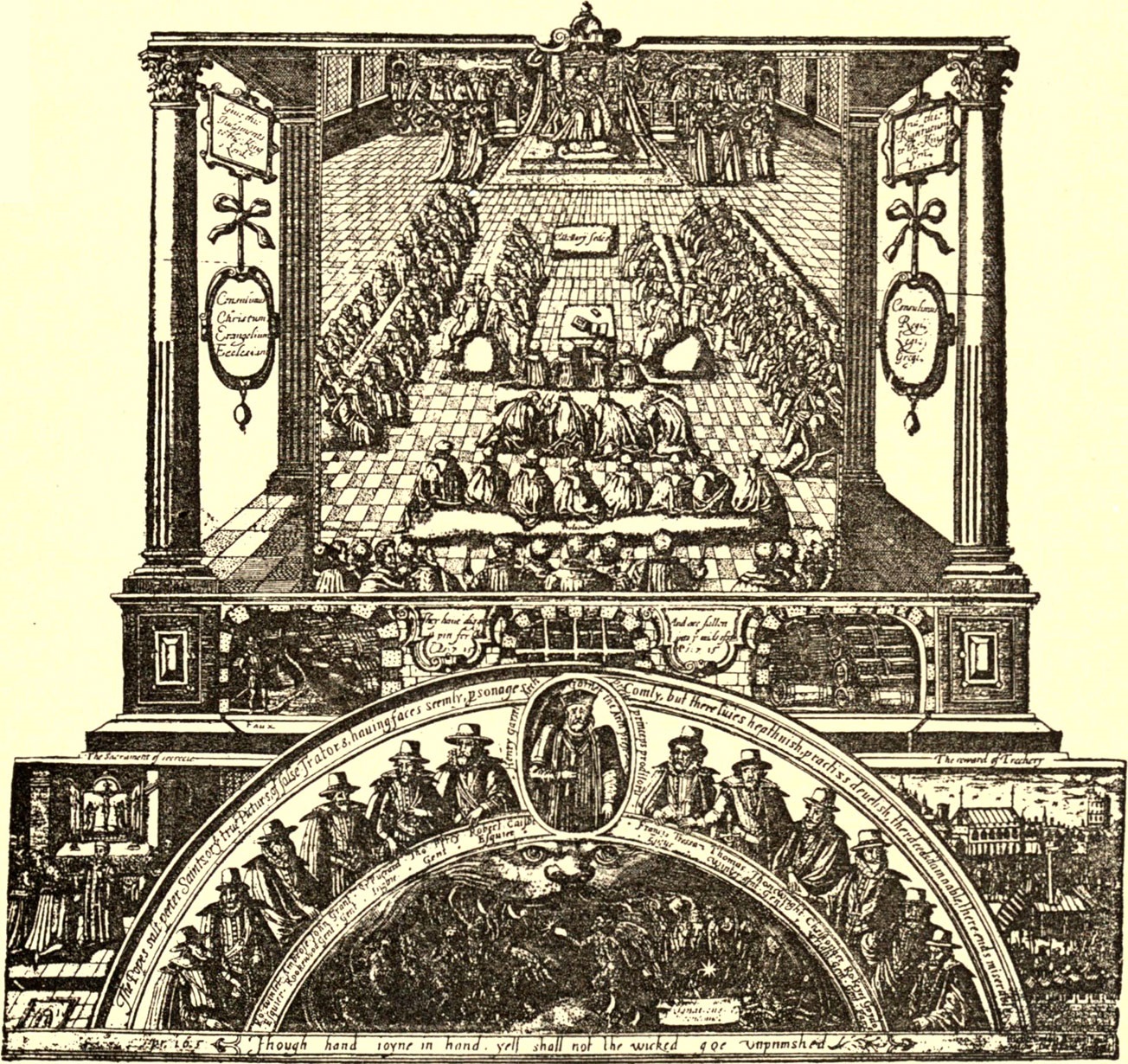
This historical print, reproduced in John Gerard’s 1897 study, places the assembled Parliament above a densely decorated lower scene. It turns the threatened institution and the conspiracy into a single visual narrative. The reproduction belongs to a later argument about the plot, not to eyewitness reporting of a secret meeting.
Photo details
Date
Reproduced in 1897; original print date not established in this record
Unknown printmaker / John Gerard, What Was the Gunpowder Plot? (1897)
03 / 06
The anonymous warning
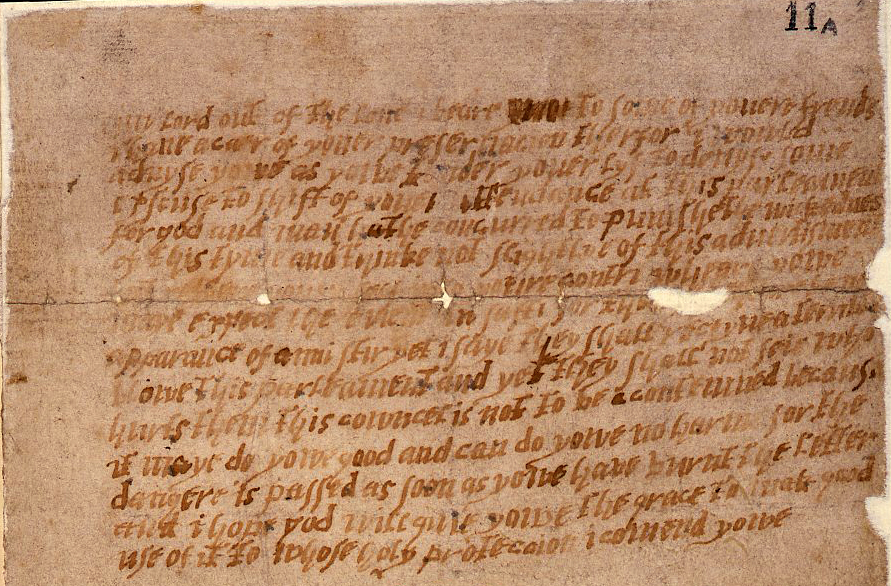
The letter delivered to Lord Monteagle on October 26 warned him against attending Parliament. Monteagle passed it to the authorities. Its writer remains unidentified; the surviving handwriting has supported arguments and suspicions, but no secure identification.
Anonymous writer / The National Archives, SP14/216
04 / 06
The old parliamentary buildings
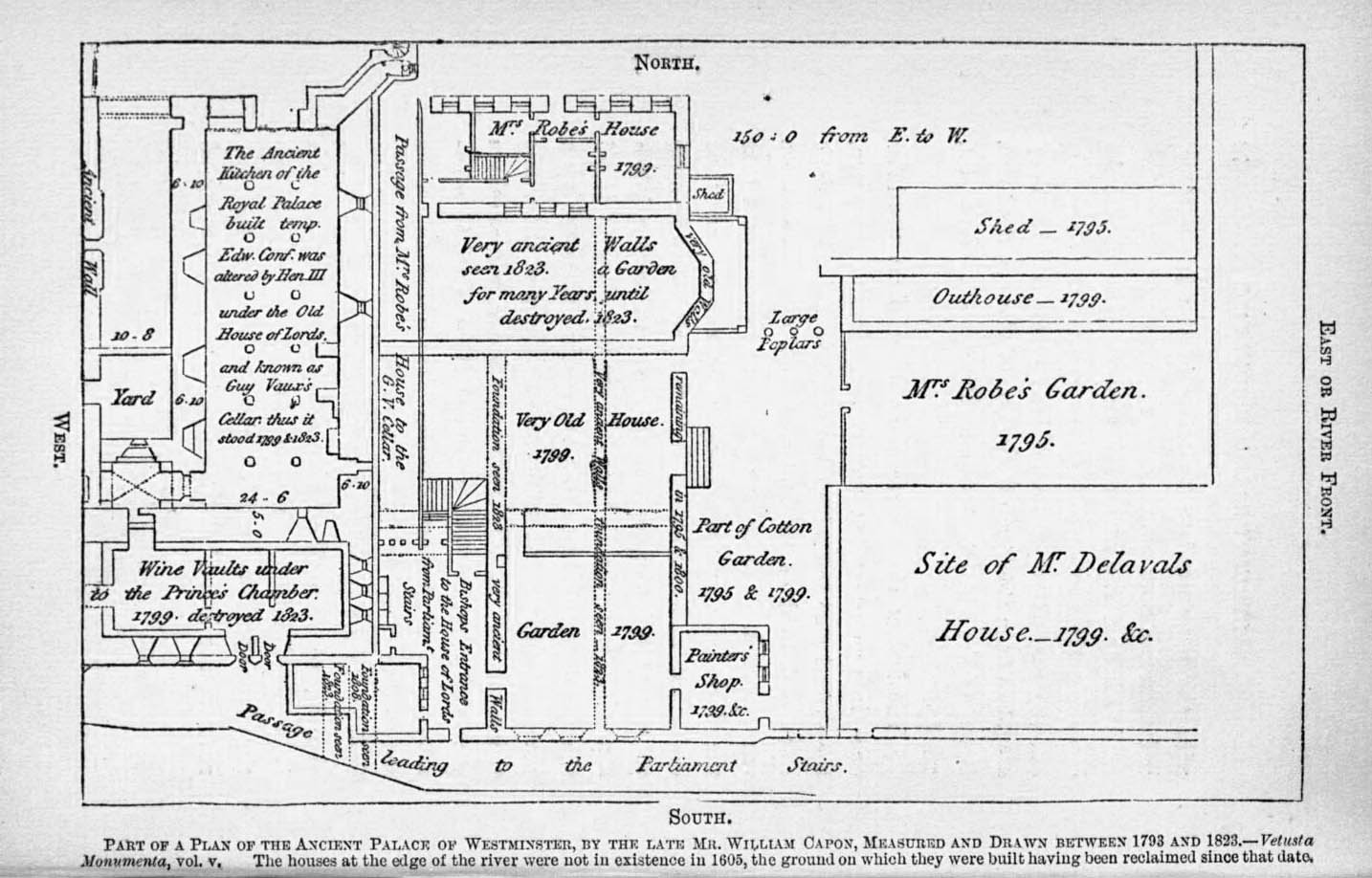
William Capon drew this plan long after the conspiracy, recording the arrangement of the old Palace of Westminster. It helps explain the close relationship between parliamentary rooms and neighboring properties. Its later date matters: the plan is an antiquarian reconstruction, not a drawing carried by the conspirators.
Photo details
Date
1793–1823
Location
Westminster, London, England
Photographer
William Capon
Archive / collection
Reproduced in What Gunpowder Plot Was; Internet Archive
William Capon / Reproduced in What Gunpowder Plot Was; Internet Archive
05 / 06
A statement from the investigation
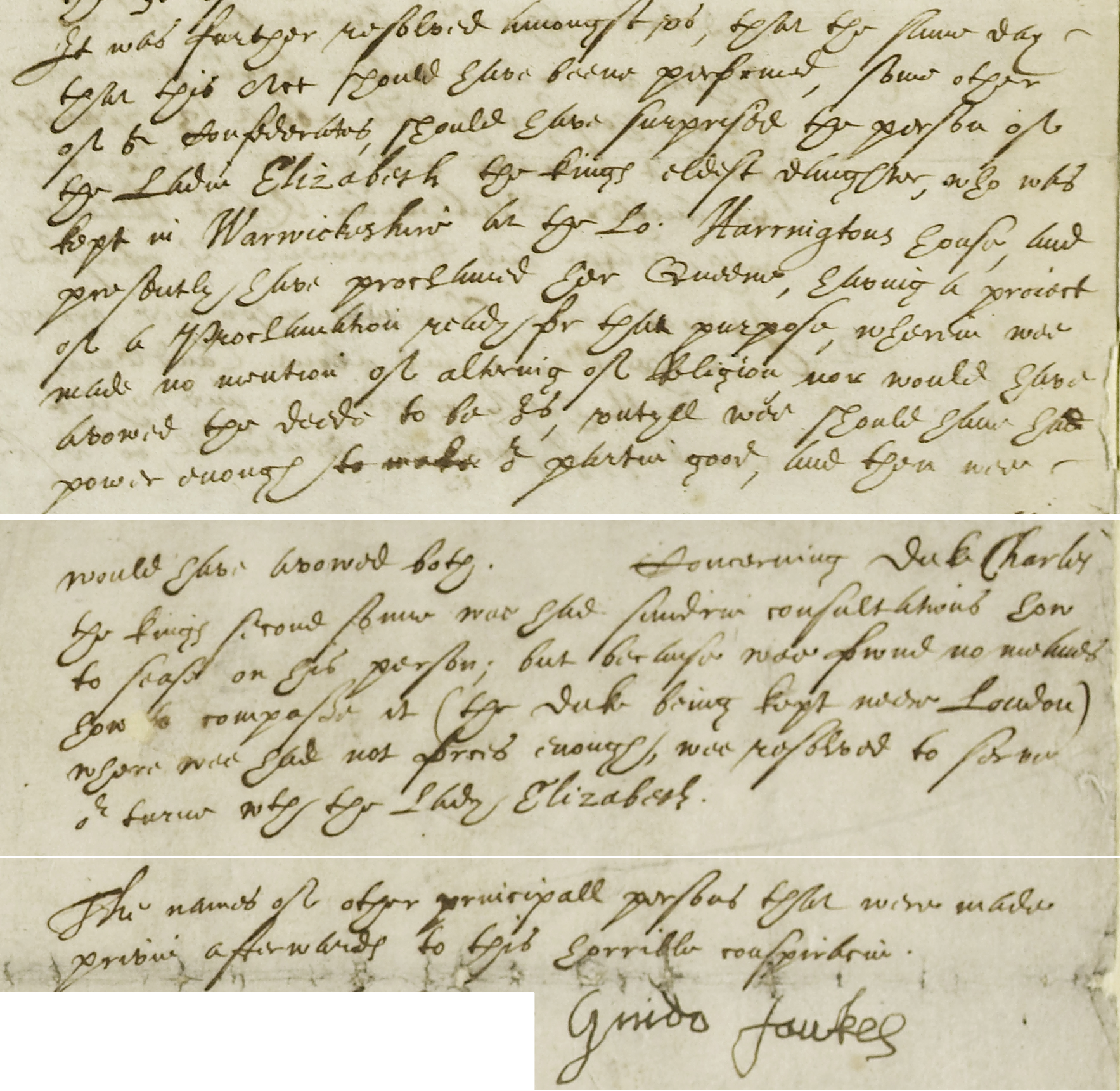
This document records Fawkes’s examination and bears his signature. It discusses the intended seizure of Princess Elizabeth after the explosion. The record belongs to an investigation in which torture was authorized; that setting is part of the evidence, not a detail to leave outside the caption.
Photo details
Date
1605 document; photographed October 10, 2008
Location
Tower of London investigation; document held at The National Archives
The National Archives UK / The National Archives, SP14/216; Flickr Commons
06 / 06
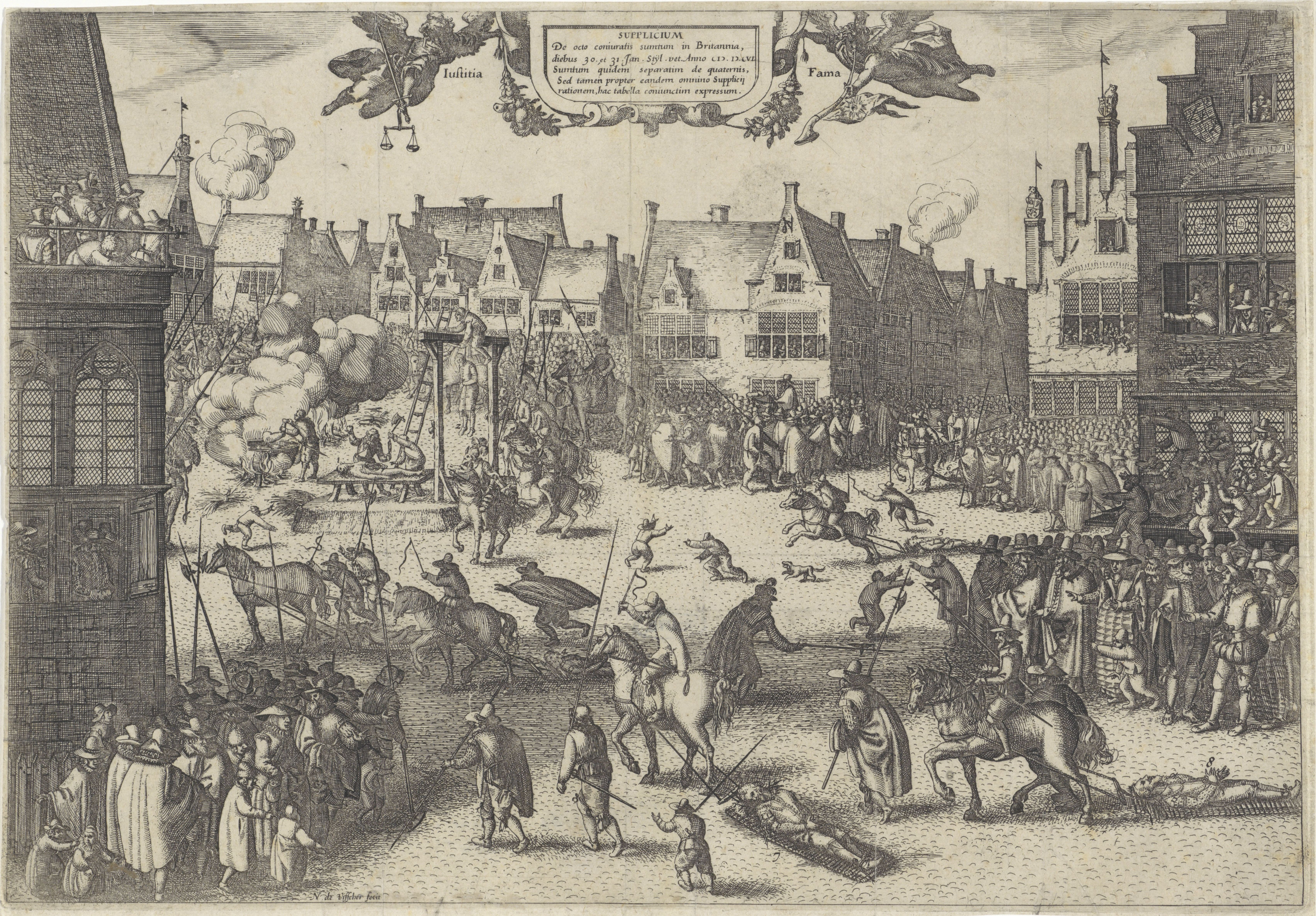
Punishment made public
Claes Jansz. Visscher’s 1606 print compresses the conspirators’ punishment into a crowded public spectacle. The executions took place on January 30 and 31; Fawkes died on the second day. This is a contemporary interpretation for a print audience, with the transport of prisoners and several stages of punishment arranged within one scene.
Photo details
Date
1606
Location
Print made in Amsterdam; events in London, England