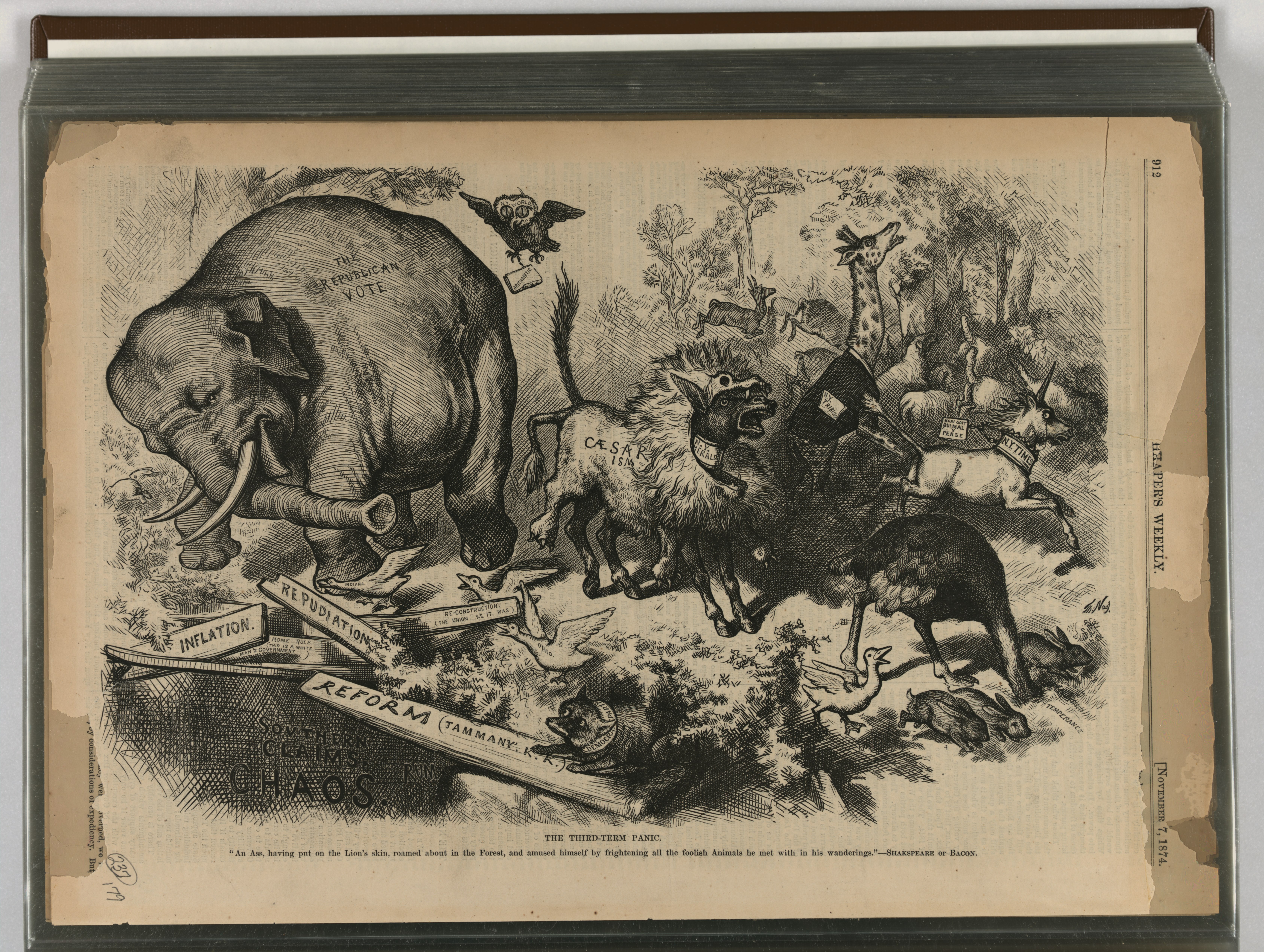
The elephant did not enter an empty forest. Nast drew newspapers, parties and political organizations as animals, sometimes changing their identities from one cartoon to the next. Read these four engravings with their dates and labels; the two portraits introduce the artist and the president behind the 1874 controversy.
Topic: Thomas Nast and the Republican elephant
01 / 06
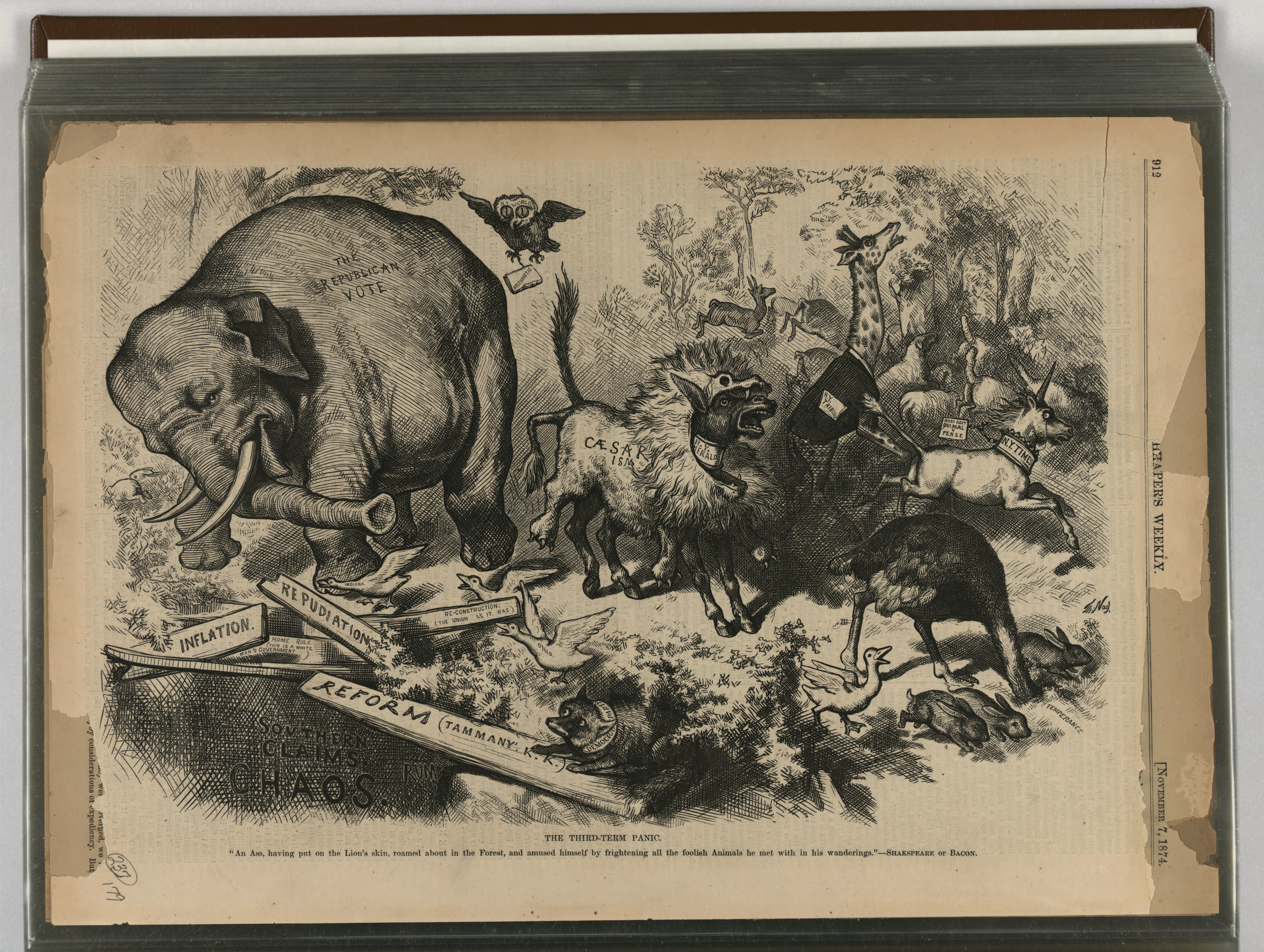
The elephant at the edge
The Republican vote appears as an elephant beside a broken political platform. The donkey in a lion’s skin represents the New York Herald, while the Democrats appear as a fox. Nast published the cartoon in the November 7, 1874 issue of Harper’s Weekly.
Thomas Nast / Library of Congress, ppmsca.15785. Public domain; copyright expired
02 / 06
The artist behind the animals
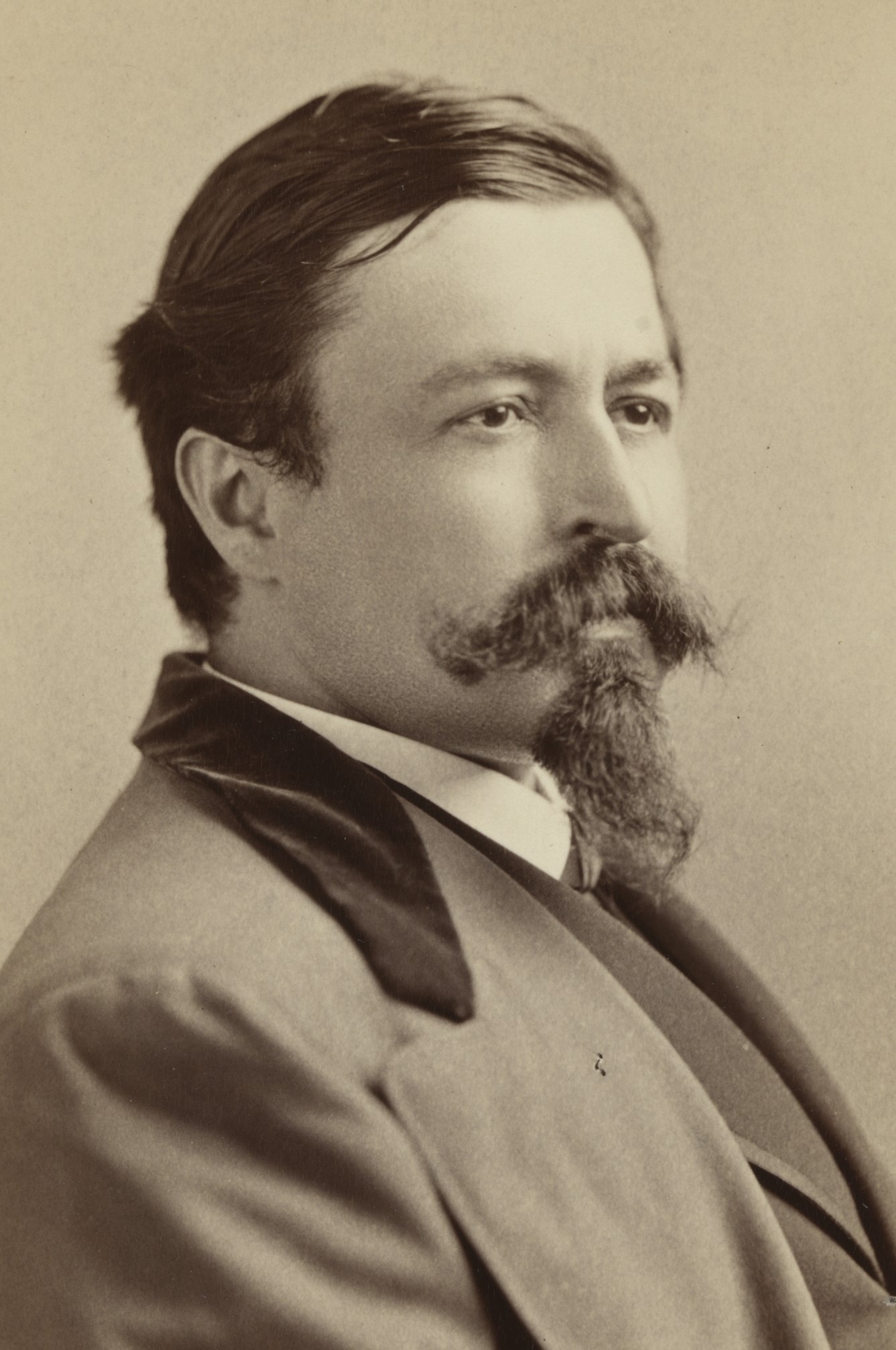
Napoleon Sarony photographed Thomas Nast around 1870. The portrait predates The Third-Term Panic. By the time the elephant appeared, Nast had already developed a recognizably partisan visual language in the pages of Harper’s Weekly.
Photo details
Date
About 1870
Location
United States
Photographer
Napoleon Sarony
Archive / collection
National Portrait Gallery, Smithsonian Institution, NPG.80.73
Napoleon Sarony / National Portrait Gallery, Smithsonian Institution, NPG.80.73. Public domain; Smithsonian CC0 release
03 / 06
The president at the center of the argument
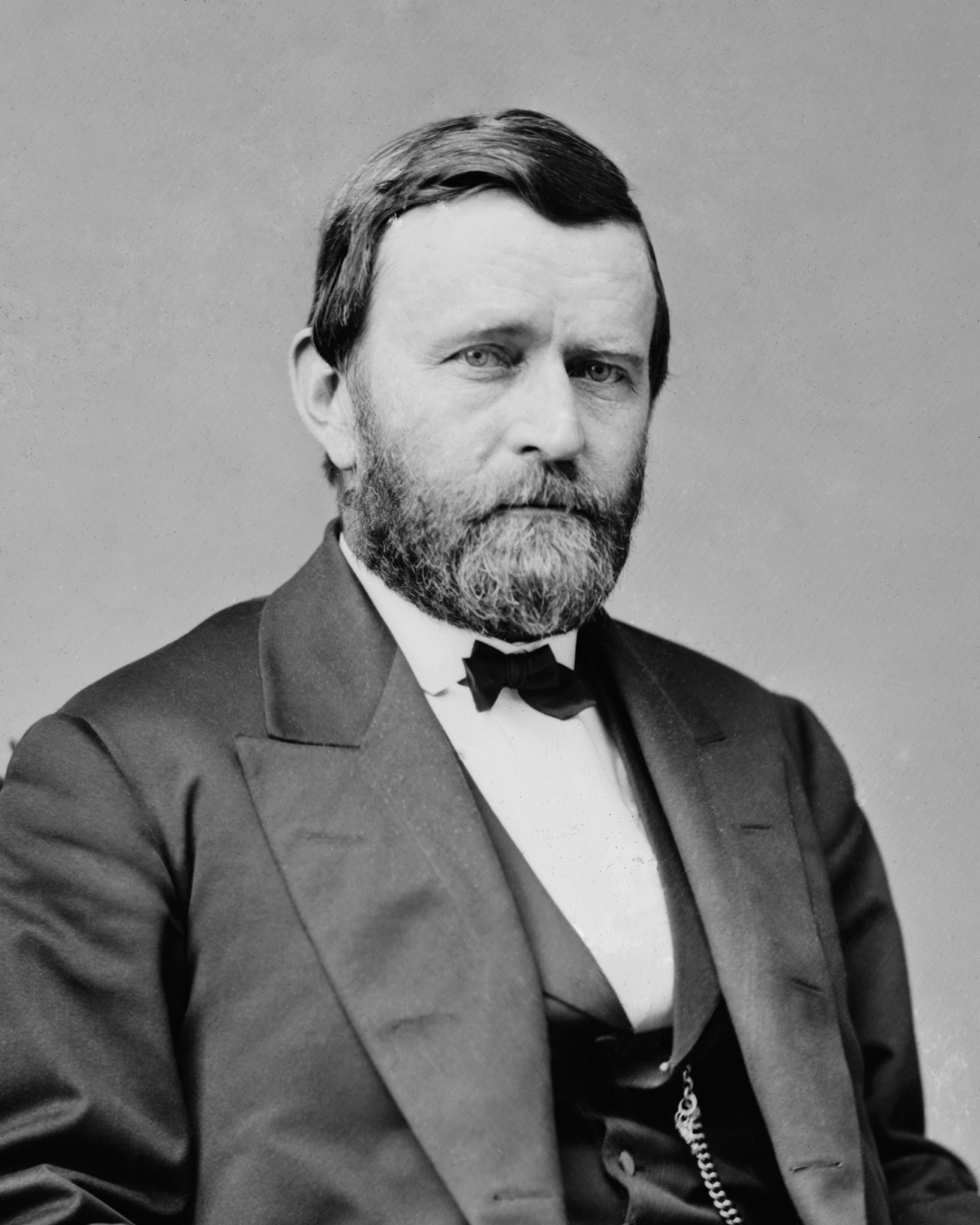
This portrait shows Ulysses S. Grant around 1870, during his presidency. Talk of a possible third term later supplied the immediate subject of Nast’s 1874 cartoon. The supplied archive derivative was cropped and digitally restored by Wikimedia contributor Scewing.
Mathew Brady; restoration by Scewing / Library of Congress, cwpbh.00666. Public domain; historical photograph, cropped and restored
04 / 06
A donkey before the elephant
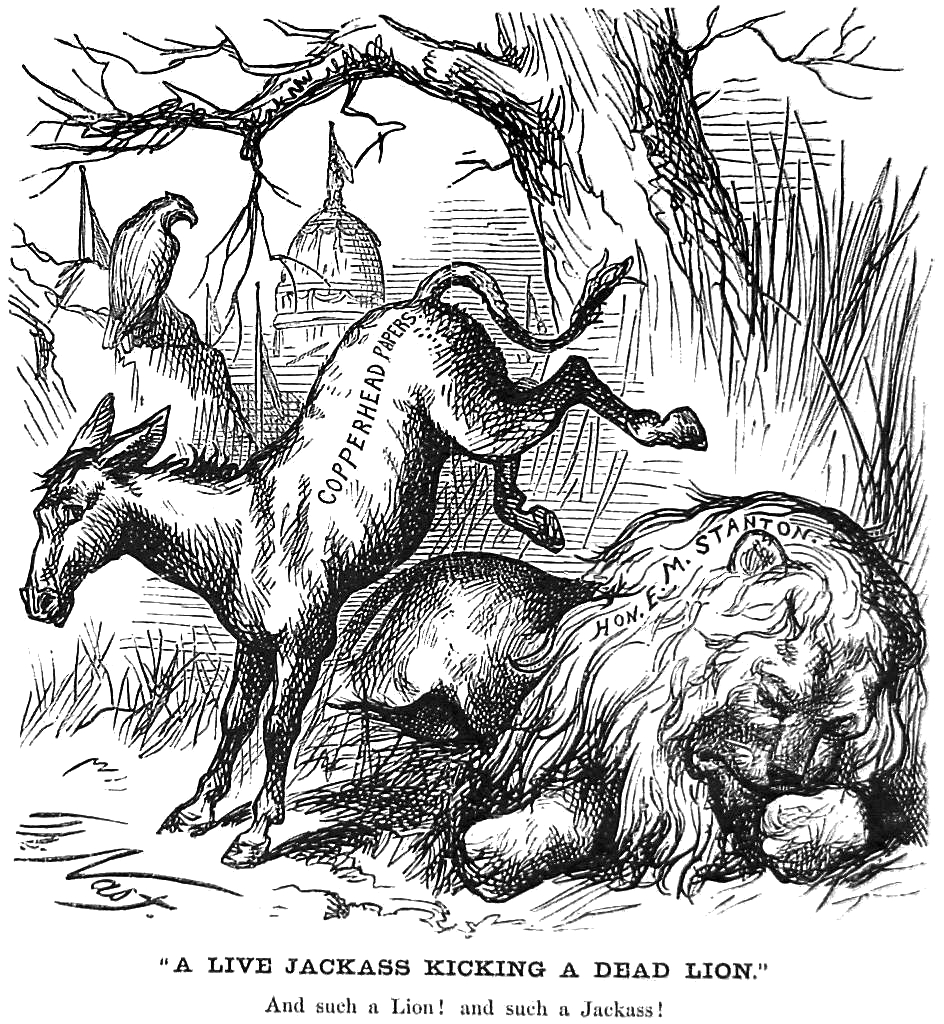
In A Live Jackass Kicking a Dead Lion, Nast labels the donkey for the Copperhead press and the lion for Edwin Stanton. Published on January 15, 1870, the cartoon predates his famous elephant by almost five years. This scan has undergone background cleanup.
Photo details
Date
January 15, 1870
Location
United States
Photographer
Thomas Nast; scan cleanup credited to AnonMoos and JayCubby
Archive / collection
Harper’s Weekly; reproduction via Wikimedia Commons
Thomas Nast; scan cleanup credited to AnonMoos and JayCubby / Harper’s Weekly; reproduction via Wikimedia Commons. Public domain; copyright expired; cleaned scan
05 / 06
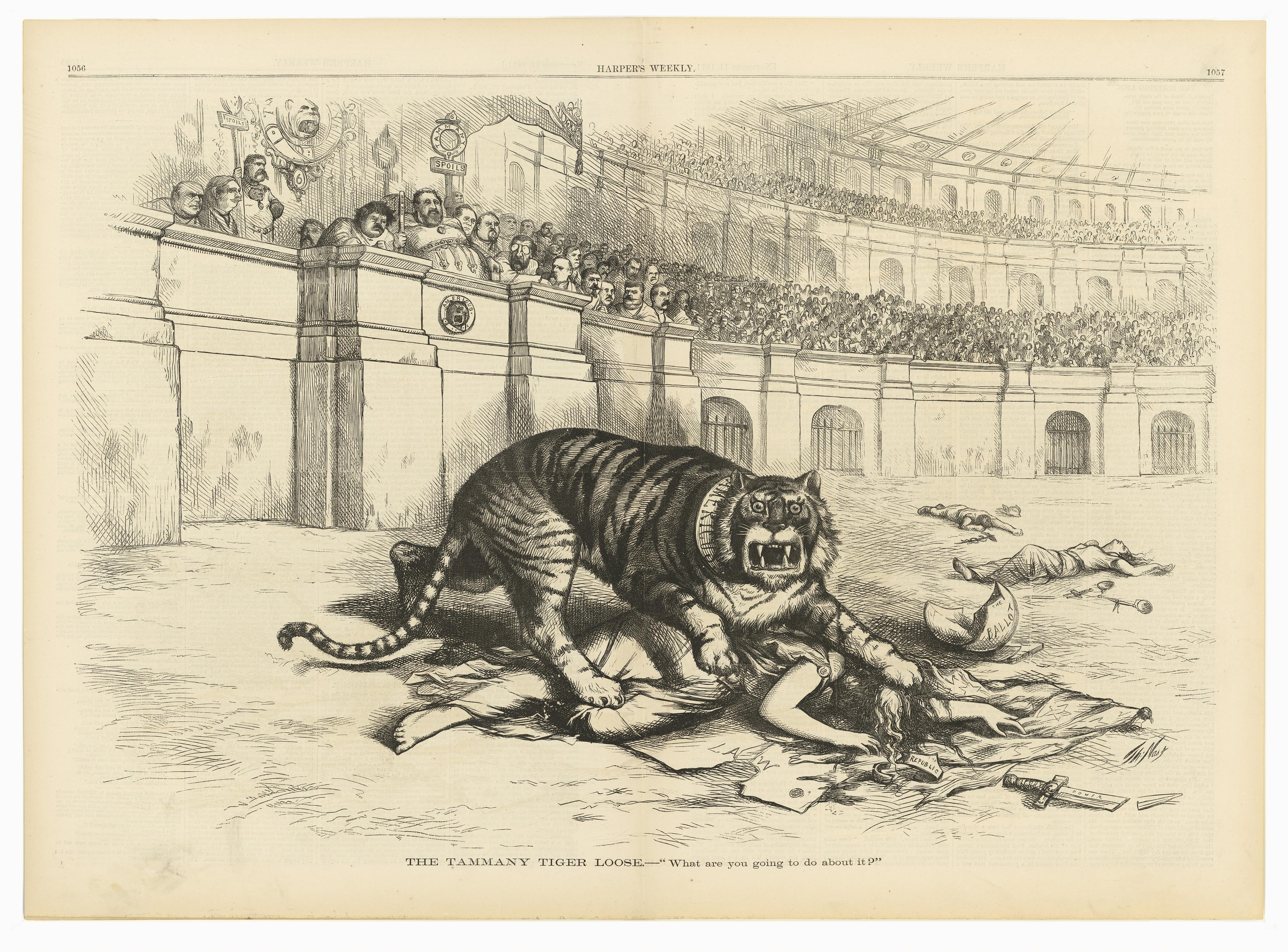
Another political animal
Nast’s Tammany tiger belongs to his attacks on the New York political organization associated with William Tweed. This 1871 engraving shows that the elephant joined an existing menagerie. These animals expressed an argument, not a neutral system of party branding.
Photo details
Date
1871
Location
United States
Photographer
Thomas Nast
Archive / collection
National Portrait Gallery, Smithsonian Institution, NPG.87.254
Thomas Nast / National Portrait Gallery, Smithsonian Institution, NPG.87.254. Public domain; Smithsonian CC0 release
06 / 06
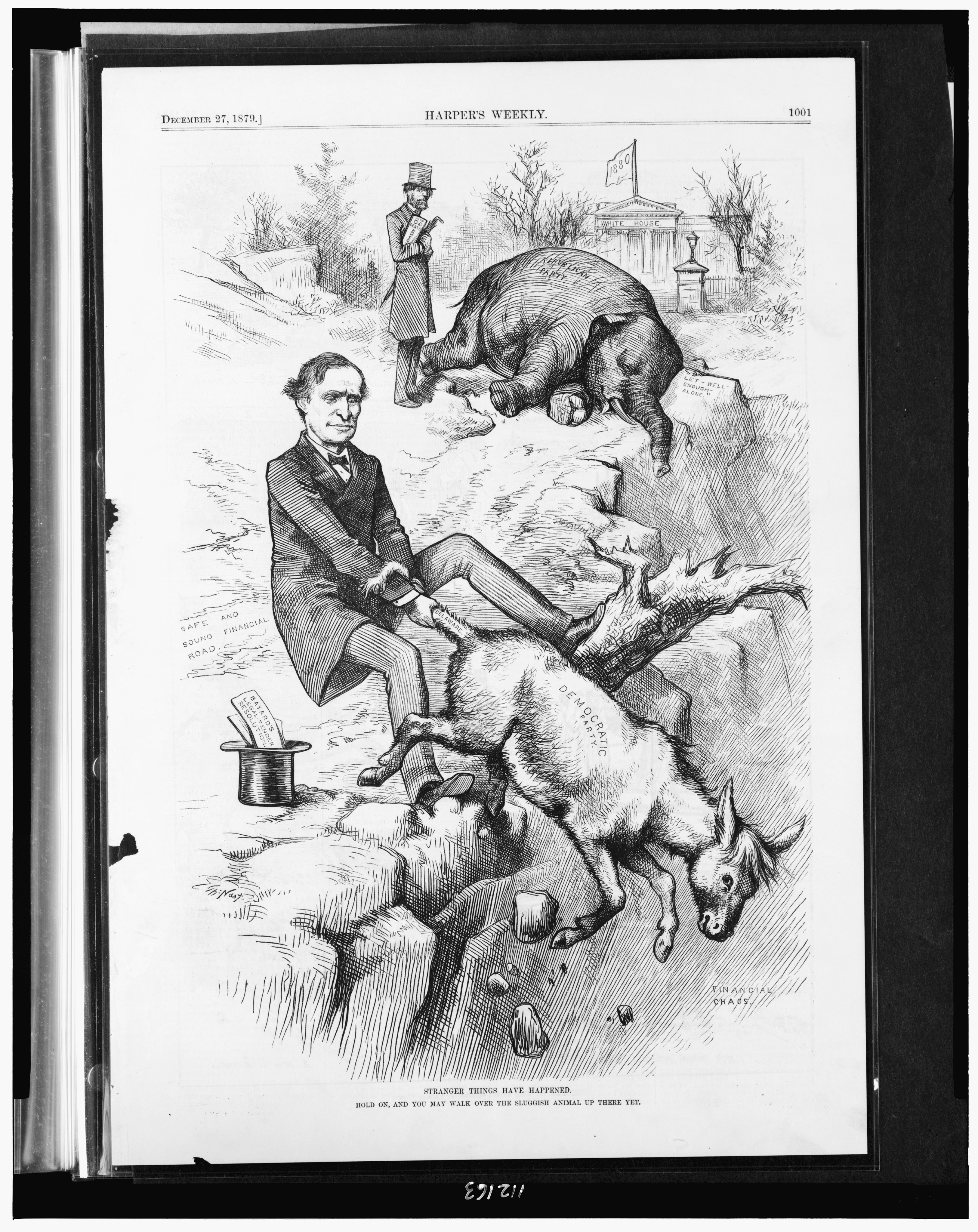
The familiar pair, five years later
Stranger Things Have Happened appeared on December 27, 1879. Thomas F. Bayard holds the tail of a Democratic donkey going over a cliff, while a Republican elephant lies above. The White House in the distance carries an 1880 flag. Both animals could now bear a political argument without sharing the same predicament.