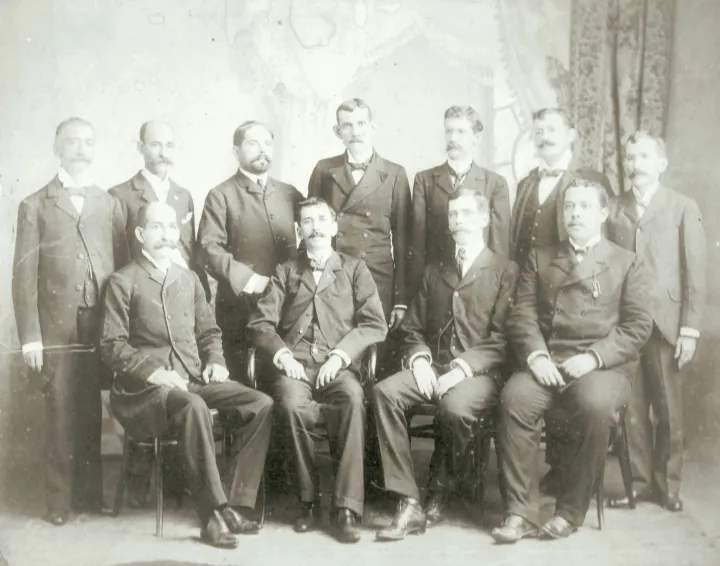
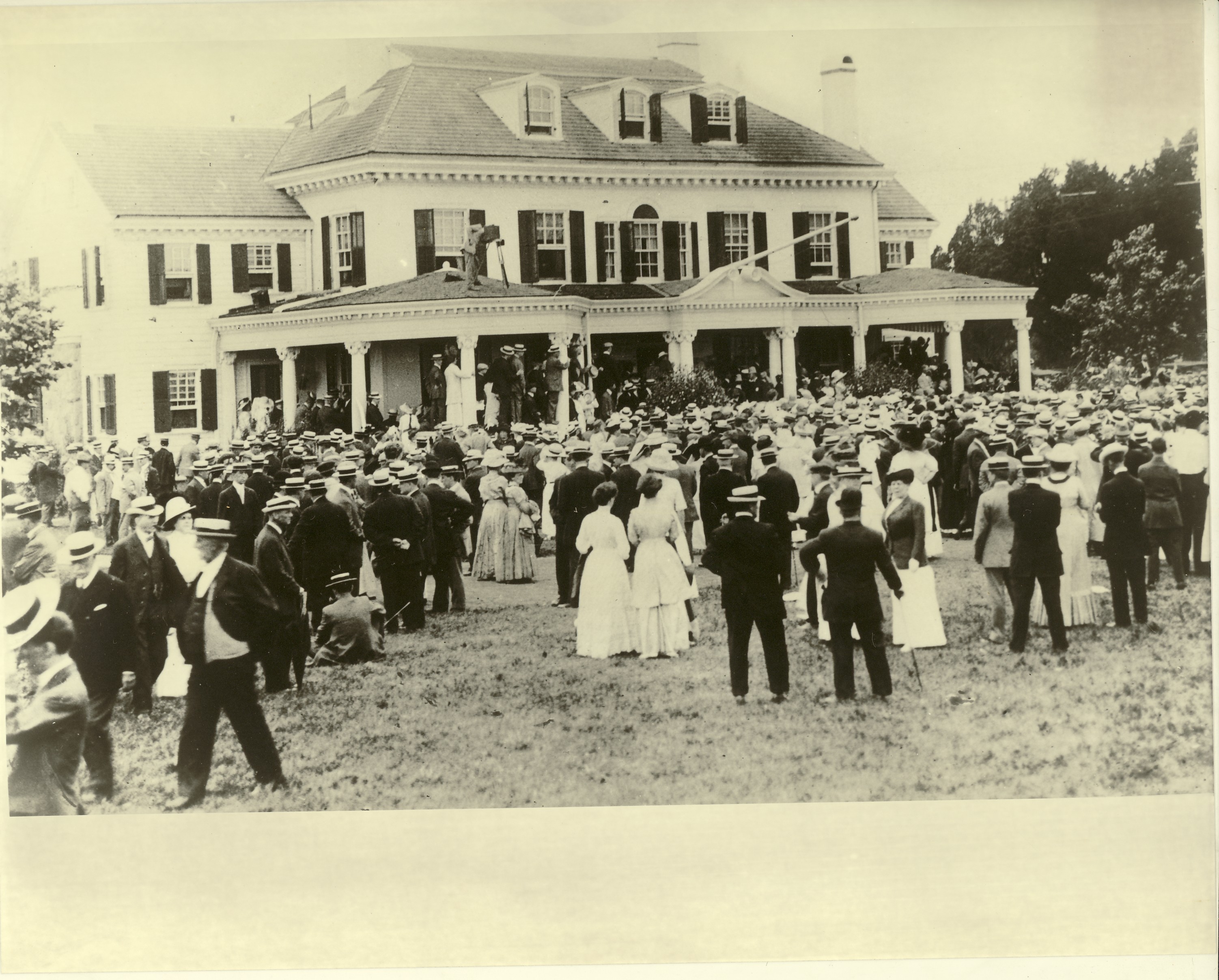
The date marks Panama’s separation from Colombia. Independence from Spain belonged to an earlier November, in 1821, after which the isthmus joined Gran Colombia. Confusing those two breaks removes much of the history that made 1903 possible.
A canal agreement that failed
The immediate crisis concerned a waterway. A French attempt to build a canal across Panama had collapsed, but the route remained attractive to the United States. A canal would shorten the passage between the Atlantic and Pacific and give the country operating it considerable commercial and strategic power.
In January 1903, U.S. Secretary of State John Hay and Colombian representative Tomás Herrán signed an agreement intended to permit American construction. Colombia’s Senate rejected it in August. Objections concerned the financial terms and the intrusion on Colombian sovereignty. In Washington, President Theodore Roosevelt wanted the canal project to proceed.
Panamanian separatists had reasons of their own for wanting a break with Bogotá. Local political grievances and the disruption of civil war formed part of the background. Leaders including José Agustín Arango and Manuel Amador Guerrero organized support, while Amador sought assistance in the United States. Their movement existed locally, but its opportunity depended heavily on the position taken by a much more powerful neighbor.
The decisive days
The railway helped determine what happened on November 3. Its management obstructed the movement of Colombian troops while allowing their senior officers to travel ahead. Once the officers were detained, the military balance favored the separatists. Panama City’s municipal council supported the establishment of an independent republic.
American naval power was another decisive fact. U.S. warships stood within reach of both coasts. The gunboat Nashville had arrived at Colón on November 2; on November 4 it put a small landing force ashore. The United States supported the separation and constrained Colombia’s ability to restore its authority across the isthmus.
Washington recognized the new republic on November 6. Diplomatic relations followed quickly: on November 13, Roosevelt accepted the credentials of Philippe Bunau-Varilla as Panama’s representative. The speed matters. Recognition and negotiation were underway before the new country had settled into a lasting constitutional government.
Independence and the Canal Zone
Bunau-Varilla was a French engineer with ties to the earlier canal enterprise. Acting for Panama, he signed a new treaty with Hay in Washington on November 18. The agreement guaranteed Panama’s independence while granting the United States extensive control over a canal corridor. Its ratifications were exchanged in February 1904.
Article II provided for a zone ten miles wide, excluding Panama City and Colón from that particular grant. Article III gave the United States powers within the zone equivalent to those it would exercise as sovereign, excluding Panama from exercising those powers there. The language created a lasting tension: the republic had gained international independence while accepting a foreign-controlled territory running through its center.
The canal opened in 1914. Its success as an engineering project did not settle the political dispute over control. The Canal Zone passed to Panamanian administration in 1979, and Panama assumed full responsibility for the canal at the end of 1999.
November 3 remains the republic’s founding anniversary. The records of 1903 also preserve the uneven circumstances of its birth: local organizers, an arrested military leadership, a strategically placed railway, American warships and a treaty signed only fifteen days after the declaration. Independence arrived quickly. The argument over what sovereignty should mean lasted far longer.
Cover image: Photographer unidentified / Enrique Zarak collection / Wikimedia Commons