Some listeners believed the reports. Others recognized a play and enjoyed it. By the following morning, newspapers had supplied the broadcast with a second story: an American public supposedly thrown into mass panic. The performance is well documented. The scale of that panic is much harder to establish.
A Victorian invasion comes to New Jersey
H. G. Wells’s novel had appeared in serial form in 1897 and as a book in 1898. Its Martians attacked England. For the CBS broadcast, writer Howard Koch adapted the story for American listeners, moving the landing to New Jersey and giving much of the opening section the form of developing news.
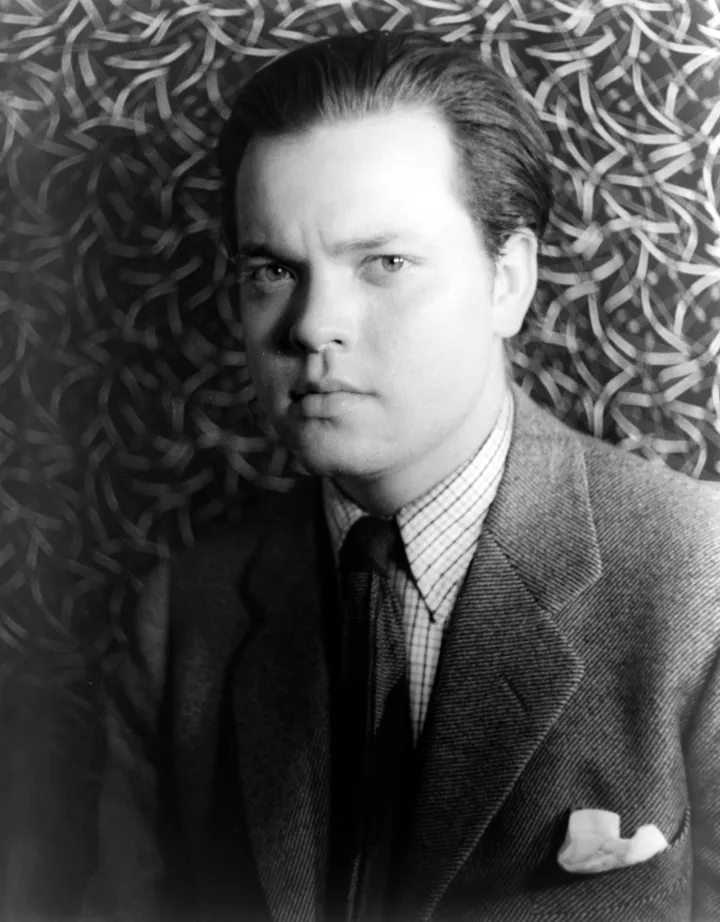
Orson Welles, aged twenty-three, directed and performed with the Mercury company. The program used musical interludes, official-sounding explanations and reports from the scene to make its imagined catastrophe unfold in the present. Those conventions were effective because listeners already knew them from genuine broadcasts.
The evening’s competition also mattered. The Mercury program faced NBC’s popular Chase and Sanborn Hour, featuring Edgar Bergen and Charlie McCarthy. Someone turning the dial partway through could encounter an urgent bulletin without having heard the introduction identifying the drama.
The letters preserve more than one reaction
CBS identified the broadcast as a dramatic performance four times. That did not prevent every misunderstanding. Contemporary reports described calls to police, newspapers and radio stations; a United Press dispatch that night reported alarm in New Jersey and inquiries arriving from across the country.
The surviving correspondence is less uniform than the headlines. More than six hundred people contacted the Federal Communications Commission. Some demanded punishment or restrictions on future programs. Others defended Welles, praised the performance or warned that censorship would cause more damage than a badly judged broadcast.
Letters sent to CBS and the Mercury company included substantial praise. These were self-selected responses, not a representative poll of everyone who had listened. They still matter: they show that the public reaction cannot be reduced to one frightened crowd.
How a report becomes a legend
Counting frightened listeners after the event presented obvious difficulties. Being briefly unsettled, telephoning for confirmation and fleeing one’s home are different responses. An account that puts them all under the word panic loses those distinctions. Newspaper stories were evidence of what journalists reported; they were not, by themselves, a national headcount.
The Library of Congress has highlighted the uncertainty about the broadcast’s audience. The National Archives Foundation’s presentation of the following day’s newsreel goes further, questioning how much of the supposed mass hysteria was amplified by media coverage. Neither point requires pretending that nobody was frightened.
Welles met reporters on October 31. The surviving film shows him explaining why he had not expected listeners to take a familiar fictional story as fact. The press photograph of that appearance is often used to illustrate the previous night. Its date belongs to the aftermath.
The studio behind the illusion
Another widely reproduced photograph shows Welles directing the Mercury company, arms raised, beside actors and musicians. Its original agency note specifies that it depicts a typical rehearsal, not the rehearsal for The War of the Worlds. Later captions blurred that distinction too.
The broadcast remains a striking piece of radio theater. Its subsequent reputation also offers a practical lesson in reading historical evidence: keep the recording, the letters, the photographs and the newspaper claims separate long enough to hear what each actually says.
Cover image: Acme News Photos / Acme News Photos / Wikimedia Commons