A Cherokee childhood, not a generic frontier
Rogers’s birthplace near present-day Oologah belonged to a specific political and family world. His parents, Clement Vann Rogers and Mary America Schrimsher Rogers, were Cherokee. His father combined ranching with public life. Calling Will simply an Oklahoma cowboy misses the fact that Oklahoma statehood still lay decades ahead when he was born.
An enrollment card held by the National Archives records his application to the Dawes Commission in 1900. It is a reminder that his Native identity was not a stage invention. It also belongs to the federal allotment system that divided tribal lands and transformed the institutions surrounding his family’s ranch. The card and the publicity photographs preserve very different aspects of the same life.
The rope act starts talking
Ranch work gave Rogers a skill he could sell. In 1902 he joined a Wild West show in South Africa, performing as a rider and roper. By 1904 he was appearing in American vaudeville. The route to national celebrity ran through repeated performances, travel and an ability to make a difficult trick look easy.
He joined Ziegfeld’s Midnight Frolic in 1915 and the Follies the following year. At the Frolic, his audience included people who already possessed considerable money and influence. The National Portrait Gallery traces his move toward topical commentary to this period, when Betty Rogers encouraged him to talk about what he had read in the newspapers. The material changed with the news. The relaxed manner remained useful.
That manner can be deceptive in retrospect. An offhand delivery does not mean a performer has nothing at stake. Rogers had to make the audience follow him, judge how far a joke could travel and keep a recognizable voice across subjects that were constantly changing. His cowboy appearance helped establish the relationship before he spoke.
A familiar voice in unfamiliar media
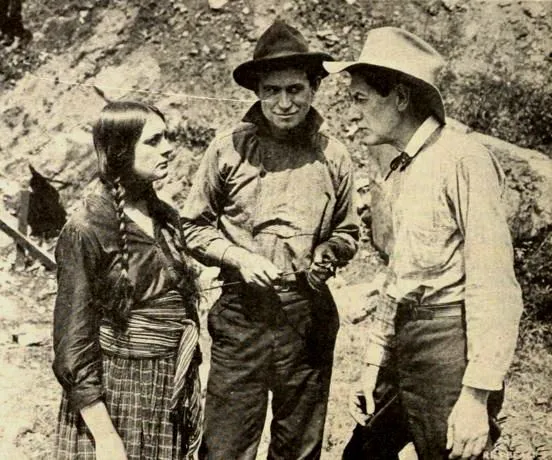
Rogers made his first motion picture, Laughing Bill Hyde, in 1918. Silent cinema could use his face, timing and physical ease, but it could not reproduce the sound of his conversational act. Sound films, beginning for him in 1929, brought those parts of the performance together.
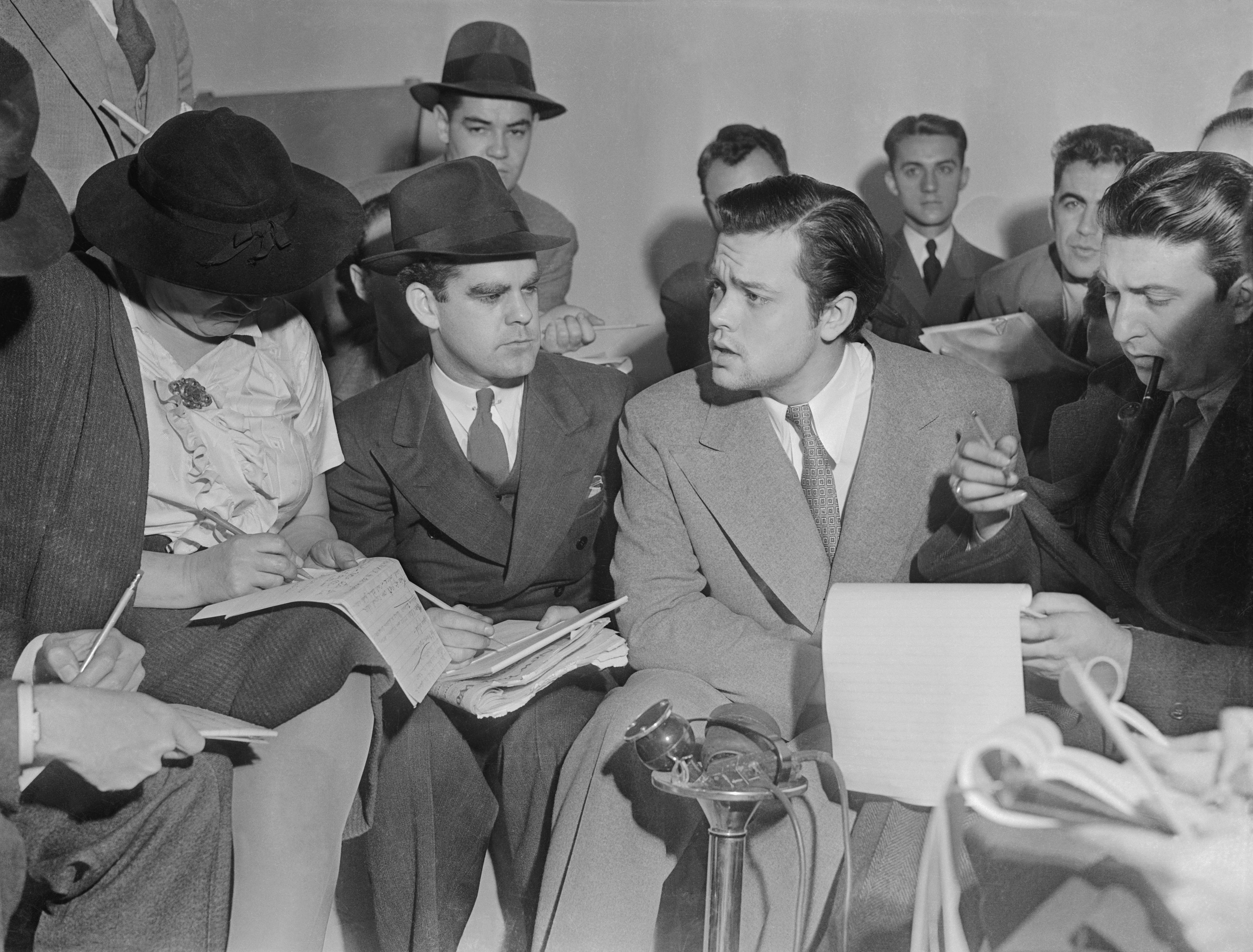
Print offered a different intimacy. His syndicated weekly articles began in 1922, followed by the short daily newspaper pieces that made his reactions to current events part of readers’ routines. On radio, listeners could hear the delivery itself. He appeared in NBC’s inaugural broadcast in November 1926 and reached a large regular audience through his later broadcasts. He was not merely repeating a stage act into a microphone; the audience now encountered him at home.
Public company and private risk
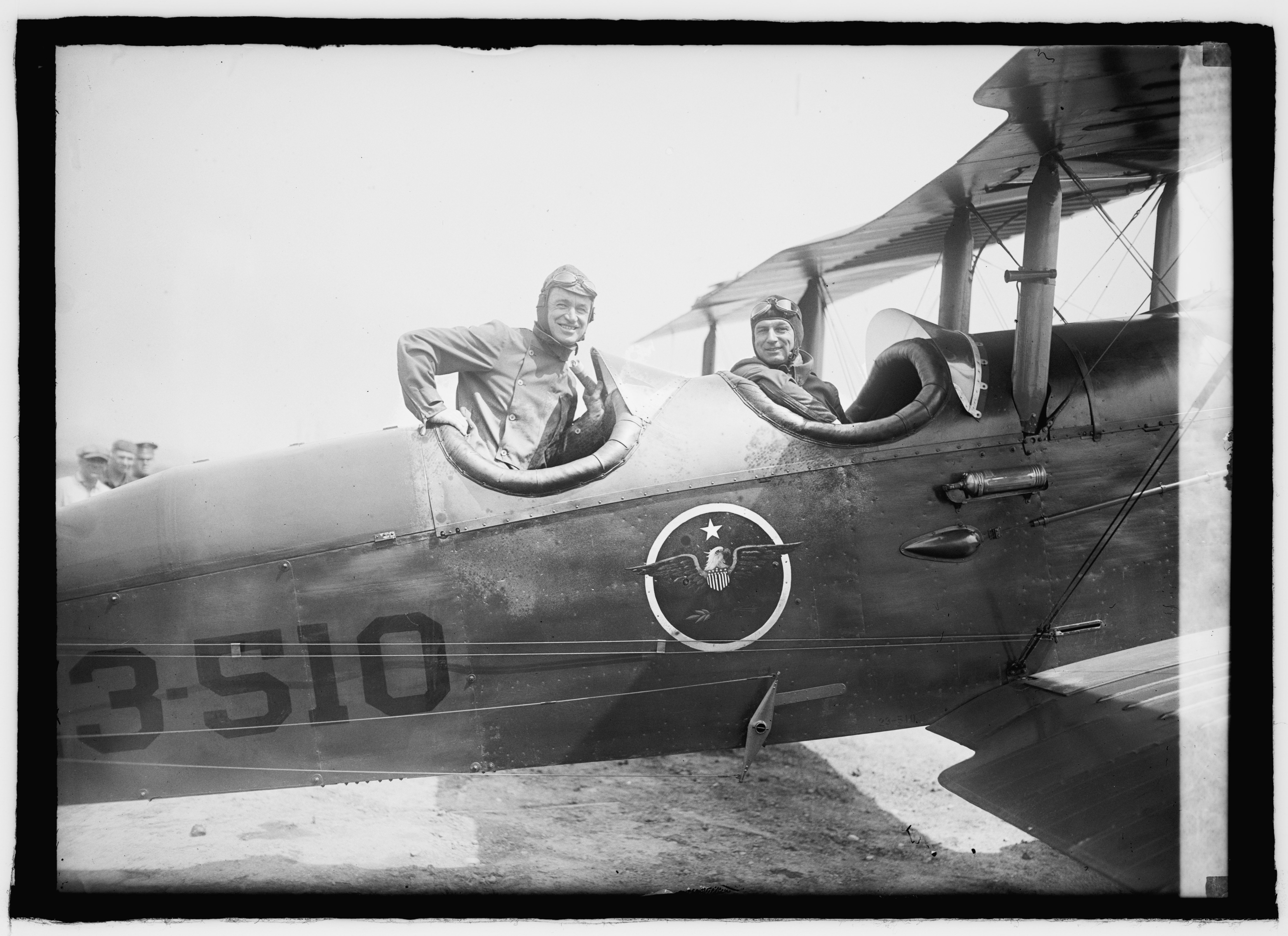
Photographs place Rogers beside politicians, society figures and aviators. These encounters help explain the range of the celebrity he had become. A 1925 photograph with Billy Mitchell at Bolling Field shows that his interest in flight preceded his final journey by years.
On August 15, 1935, Rogers and pilot Wiley Post died in a crash near Point Barrow, Alaska. Later memorials often reduce his career to a collection of affectionate sayings. The record is more substantial: a Cherokee performer who moved through the expanding communications industries of his time, making a practiced public voice sound like a man talking nearby.
Cover image: National Photo Company Collection, Library of Congress, npcc.26964. No known restrictions on publication.