That interval is written into the document. October 30 is the anniversary of the signature; October 31 is when the ceasefire took effect. The distinction also leaves room for the much larger question the armistice did not settle: what would happen to the Ottoman Empire after the war?
An ally leaves, and a government falls
By the autumn of 1918, the Central Powers were seeking exits separately. Bulgaria signed an armistice on September 29. Its withdrawal broke a crucial link between the Ottoman Empire and its European allies, while Allied advances in Syria and Mesopotamia increased the pressure on Istanbul.
Talat Pasha’s government resigned. The new cabinet under Ahmed Izzet Pasha sought terms that would bring the fighting to an end. Ottoman officials explored diplomatic channels before sending a delegation to Mudros, on the island of Lemnos.
The harbor was already familiar to Allied sailors and soldiers. In 1915 it had served as a major base for the Gallipoli campaign. Photographs of men embarking there and drawings of ships at anchor record that earlier use. They explain the place’s military importance without being evidence of the armistice negotiations themselves.
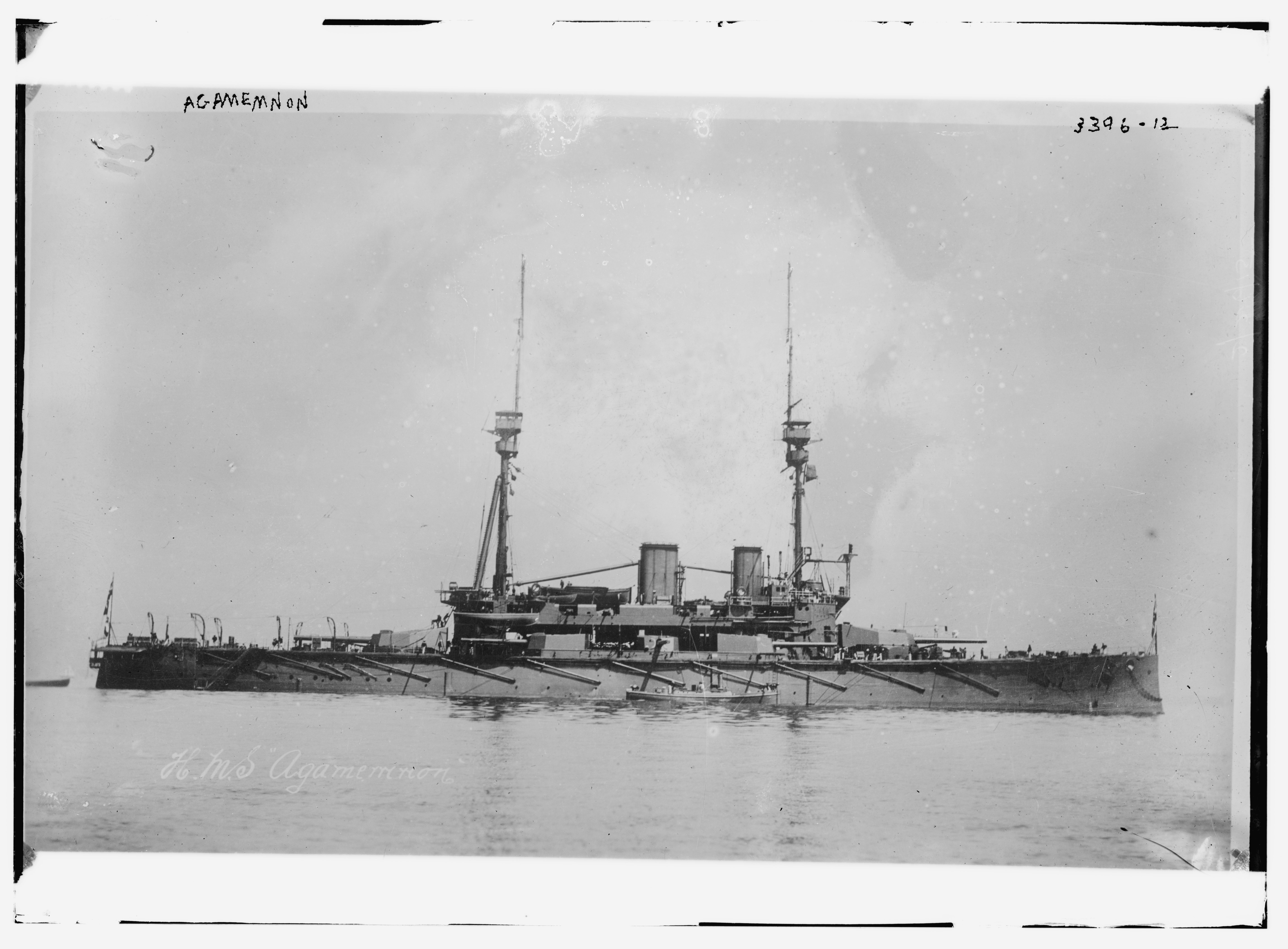
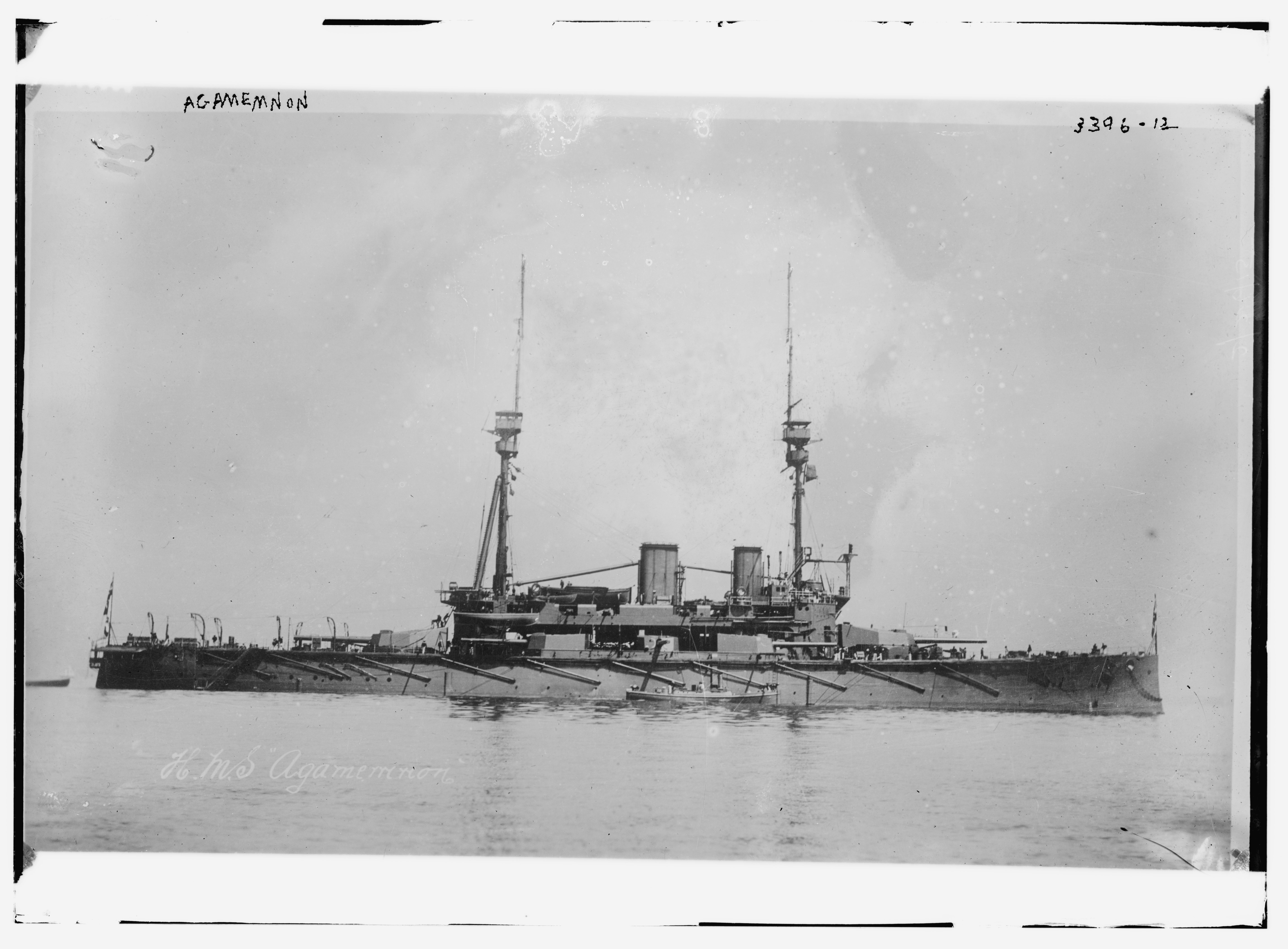
Negotiating aboard Agamemnon
The talks began on October 27. Admiral Somerset Gough-Calthorpe represented the Allies; the Ottoman delegation was led by Navy Minister Rauf Bey, later known as Rauf Orbay. Foreign Ministry official Reşat Hikmet Bey and Lieutenant Colonel Sadullah Bey also signed the agreement.
The bargaining positions were badly unequal. Calthorpe presented a set of conditions whose main provisions the Ottoman delegation could not substantially change. Rauf sought assurances about how the terms would be implemented, but the written text gave the Allies wide powers.
Its 25 clauses opened the Dardanelles and Bosporus, allowed Allied occupation of the forts and required information and assistance for clearing mines. The Ottoman army was to demobilize apart from troops considered necessary for security. Warships would be surrendered or interned, while the Allies gained access to ports, communications and transport facilities.
Article 7 was particularly consequential. It allowed Allied occupation of strategic points if a situation threatened Allied security. The broad wording left considerable room for interpretation. Other clauses dealt with prisoners, the surrender of distant garrisons and the departure of German and Austro-Hungarian personnel.
A ceasefire with an unsettled future
The arrival of Allied warships at Istanbul in November made the changed balance of power visible. Contemporary reports described fleets passing through the Straits and anchoring opposite the Ottoman capital. Fighting had stopped between the signatories, but questions of occupation and sovereignty now moved to the center of political life.
Mudros was an armistice, not the final peace settlement. The empire’s future would be fought over in negotiations and on the ground. Occupations after the ceasefire, including the Greek landing at İzmir in May 1919, helped drive the development of the Turkish nationalist movement.
The Ottoman sultanate survived the signature by four years. It was abolished in November 1922, and the Republic of Turkey was proclaimed in October 1923. Those later dates should not be compressed into the afternoon aboard Agamemnon. The men at Mudros had agreed on the conditions for stopping one war. They had not established an accepted political order to replace it.
Cover photograph: Bain News Service / Library of Congress, ggbain.18554; public domain.