The more consequential division had already been decided. There would be two states, two capitals and two sets of state institutions where one large territory had existed. The shared anniversary marked the end of a long political argument among settlers. For the Indigenous nations of the region, it belonged to a much harsher period of shrinking land and federal pressure.
One territory, competing centers
Dakota Territory was created in 1861. Its original boundaries reached beyond the two modern Dakotas into areas that later became other territories and states. By 1868, it had taken on the combined outline familiar today. The name did not describe an empty space awaiting settlement. Dakota, Lakota, Mandan, Hidatsa, Arikara and other peoples had their own communities, histories and relationships to the land.
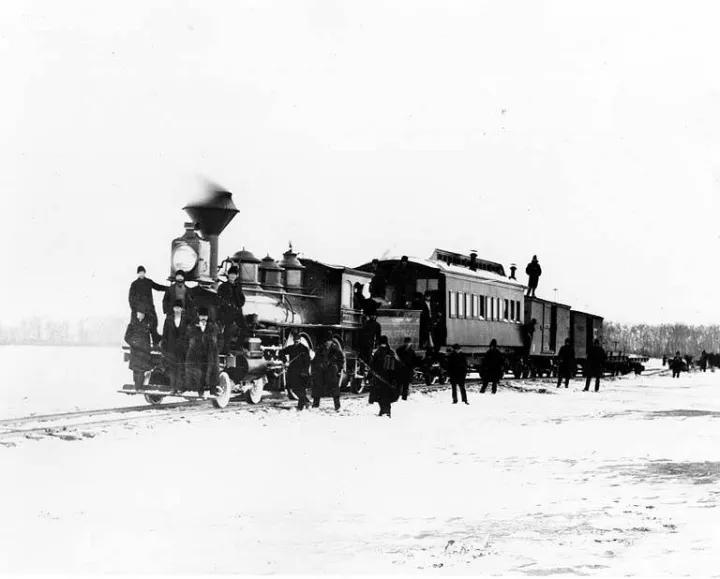
Railroads and migration transformed settler politics during the following decades. Northern and southern population centers developed different connections and rival ambitions. The territorial capital’s move from Yankton to Bismarck in 1883 sharpened the dispute. Southern advocates drew up a constitution that year and continued organizing for their own state. Making a constitution, however, did not by itself secure admission to the Union.
The legal route to November 2
Congress supplied that route through the enabling legislation signed by President Grover Cleveland on February 22, 1889. It covered North Dakota, South Dakota, Montana and Washington. Dakota was to be divided, and constitutional conventions would prepare governments for the two proposed states. Delegates in the north met at Bismarck; their southern counterparts met at Sioux Falls.
The proclamations issued that November recorded the fulfillment of the conditions Congress had imposed. They were legal instruments recognizing admission, rather than invitations to begin thinking about statehood. The constitutional work and voting came first. Harrison’s signature completed the process at the federal level.
North Dakota’s alphabetical position explains its conventional place ahead of South Dakota in the statehood list. The North Dakota government describes the actual signing order as unknown. That is enough to tell the story without supplying invented dialogue or recreating the president’s gestures at his desk.
Whose land, whose government?
Statehood celebrations unfolded alongside a major reduction of Lakota lands. The Sioux legislation of 1889 called for dividing the Great Sioux Reservation into smaller reservations, allotting land to individuals and opening land labeled surplus to settlement. A federal commission led in practice by General George Crook sought the signatures required for the agreement.
The National Park Service’s historical documentation describes promises, pressure and threats in that campaign. Treating the resulting land cession as an uncomplicated sale would conceal the unequal power behind it. Reservation boundaries and the new state line concerned different forms of authority. Admission of the Dakotas did not erase tribal nations or settle the obligations created by treaties.
Governing after admission
John Miller became North Dakota’s first governor, while Arthur Mellette led South Dakota. Bismarck and Pierre became the state capitals. The work immediately turned from winning admission to taxation, lawmaking and the distribution of political influence.
North Dakota’s first legislature argued over prohibition and lotteries. Farmers soon organized against the established Republican leadership, demonstrating how quickly the unity of a statehood campaign could give way to disagreement over government. November 2 settled the status of two states within the Union. It left their inhabitants with the ordinary, difficult business of deciding who would benefit from the governments they had created.
Cover image: David Francis Barry / Denver Public Library Digital Collections