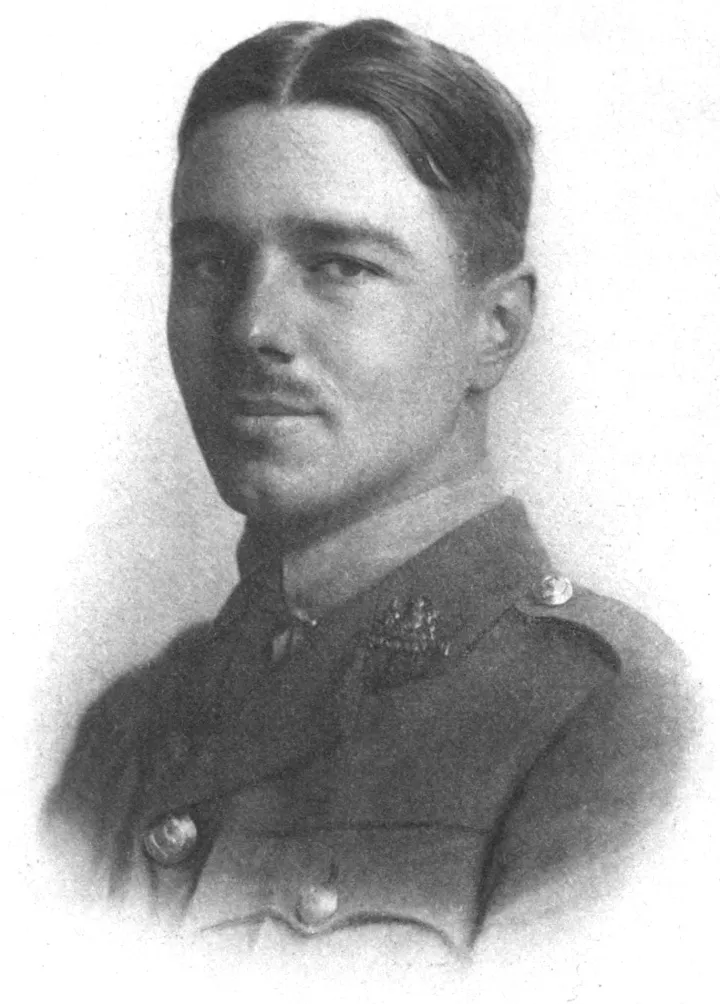
That last week is hard to look past. Yet knowing how close Owen came to surviving can also obscure the life he actually led: a young man who worked at his writing, became an army officer, broke down under bombardment, recovered and returned to the men whose suffering filled his poems.
A soldier before the familiar portrait
Owen enlisted in the Artists’ Rifles in October 1915 and received a commission in the Manchester Regiment the following June. He reached the Western Front early in 1917. The months that followed included dangerous trench duty, concussion and the psychological injuries then described as shell shock.
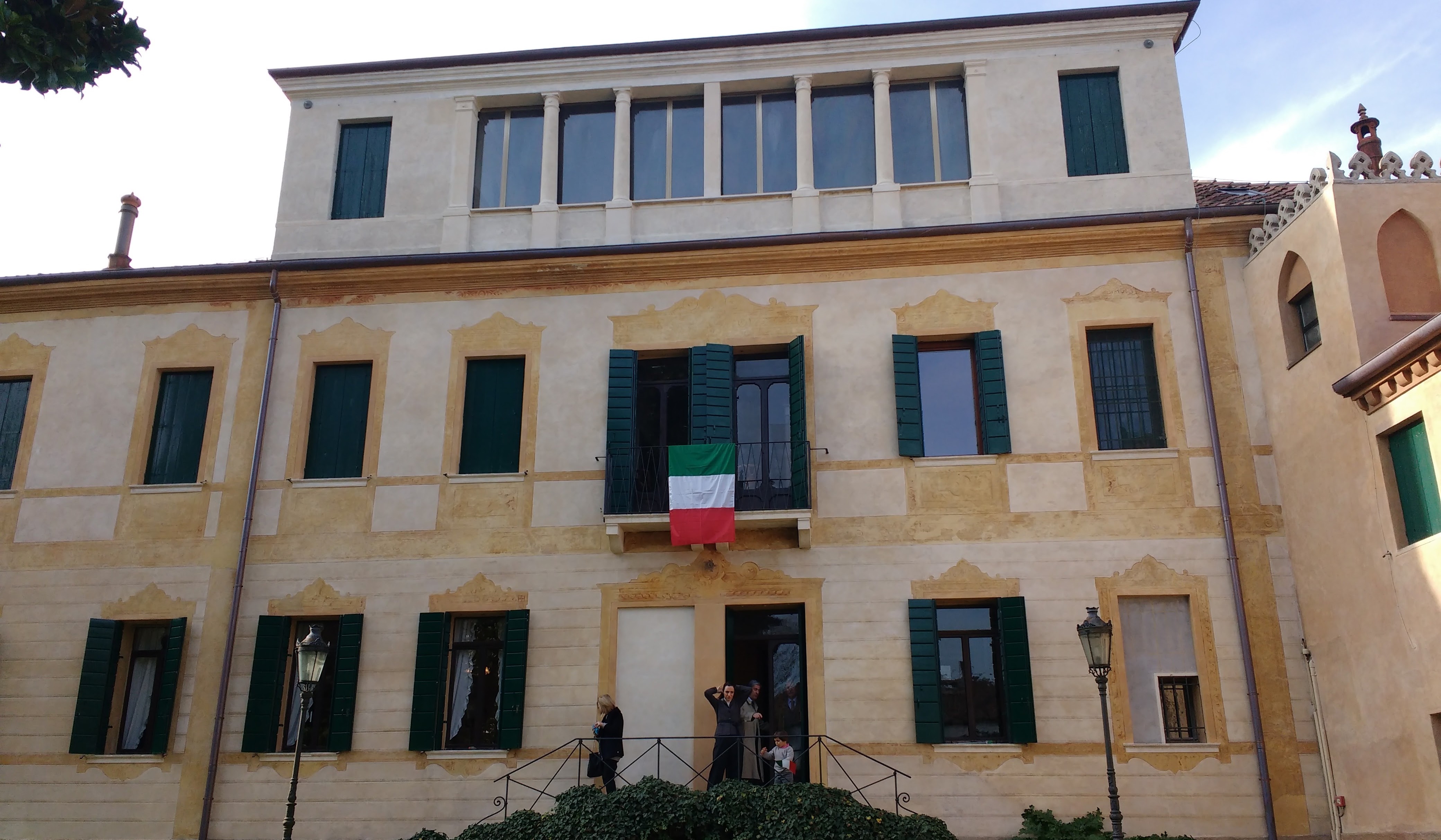
On June 25, he arrived at Craiglockhart War Hospital outside Edinburgh. The building had previously been a hydropathic establishment; during the war it treated officers with psychological wounds. Recovery there involved more than waiting for a medical board. Owen read, wrote and participated in the hospital’s intellectual life while receiving treatment from the physician Arthur Brock.
The pages that survived Craiglockhart
Siegfried Sassoon arrived at Craiglockhart after publicly challenging the continuation of the war. Owen met him in August 1917. Sassoon was already a published poet, and his encouragement gave the younger writer a demanding reader. Their friendship became one of the best-known encounters in English literary history, but the surviving pages offer something more useful than a legend of instant discovery.
Owen’s manuscripts show corrections, alternatives and effort. A draft of “The Dead Beat” appears in a letter to his cousin Leslie Gunston. “Anthem for Doomed Youth” survives in manuscript as well. These are working documents, evidence of a poet finding precise forms for experiences that ordinary patriotic language could not adequately describe.
The poems give attention to frightened, exhausted and injured men. Their effects depend on sound, broken expectations and painfully concrete detail. Reading them beside the drafts makes it harder to imagine that the words simply arrived fully formed. The authority of the writing came partly from experience, and partly from what Owen did with that experience on the page.
Returning to France
Owen went back to France in 1918. At the Fonsomme Line on October 1–2, he took command after his company commander became a casualty and helped resist a counterattack, using a captured machine gun. The action earned him the Military Cross. Its citation appeared in the London Gazette on July 30, 1919, after his death.
The decorated officer and the poet of suffering were the same person. His service does not cancel the anger in his writing; the writing does not make his battlefield conduct disappear. Both belong to an account of Owen that leaves room for the difficult obligations and loyalties of a soldier still fighting.
On November 4, the canal crossing at Ors killed him. His grave remains in the communal cemetery there. The date now carries an almost unbearable proximity to the armistice, but for his family the sequence was simpler and harsher: the war ended, and the news arrived that he would not return.
A book he never saw
A first collection of Owen’s poems appeared in December 1920, with an introduction by Sassoon. Further editions and the preservation of manuscripts gradually enlarged what readers could know of his work. His public reputation was therefore largely posthumous, assembled from pages he had left behind and from the decisions of people who kept and published them.
The anniversary of his death belongs to that unfinished history. We can read the drafts, identify the places and follow the service record. None gives us the poems he might have written after November 1918.
Cover image: Photographer unidentified; existing restoration by Adam Cuerden / Poems (1920), Internet Archive scan / Wikimedia Commons