Description
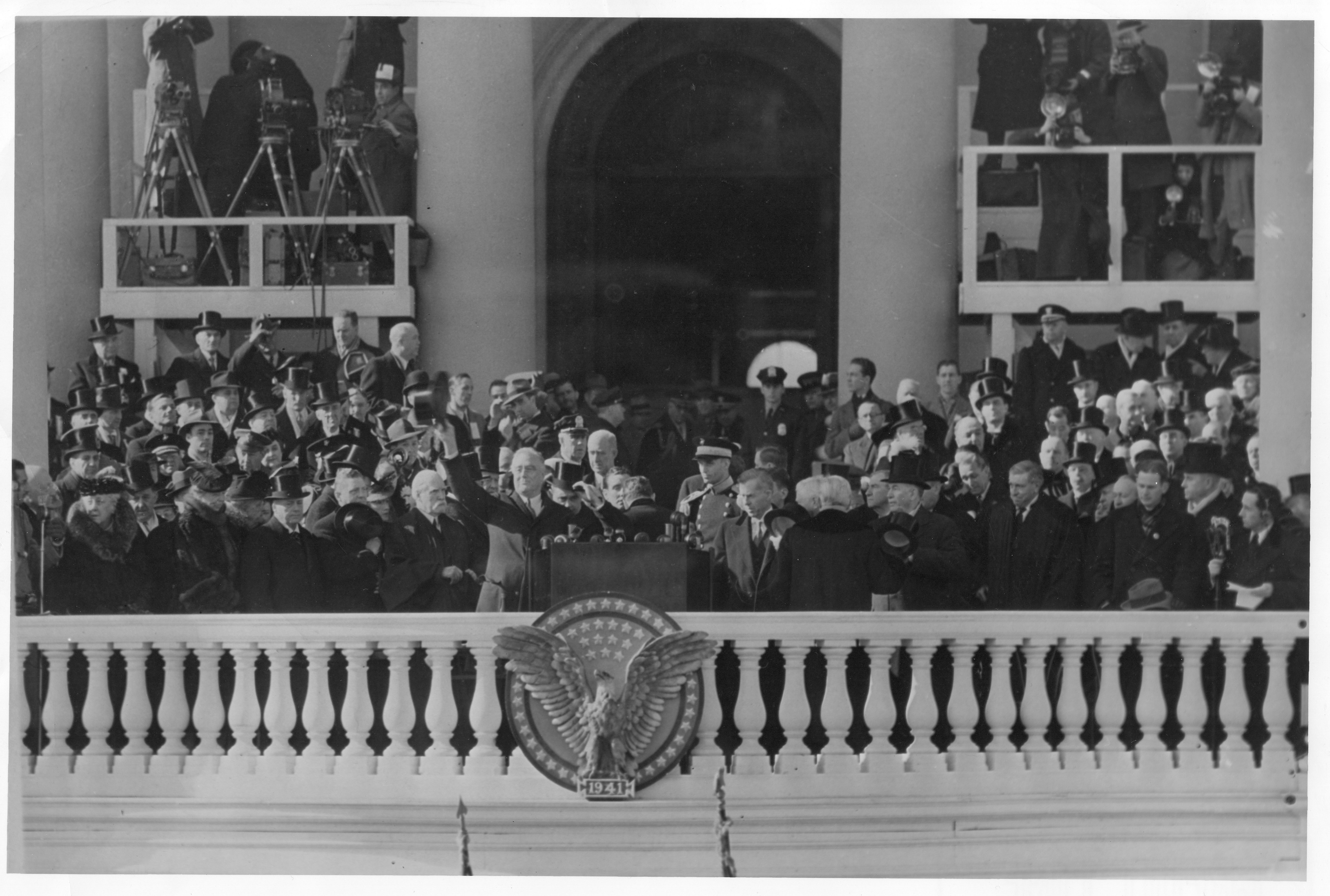
On November 7, 1944, Franklin Roosevelt won a fourth term. Behind the campaign photographs stood a war, a serious illness and the choice of Harry Truman.
Historium Journal
Long-form reporting, research notes, and deeper context for the people and events explored in our films.
On November 7, 1944, Franklin Roosevelt won a fourth term. Behind the campaign photographs stood a war, a serious illness and the choice of Harry Truman.
A prototype’s first flight at Brooklands began the career of a fighter whose usefulness depended on factories, ground crews and adaptability as well as speed.
With Europe at war, voters gave Franklin Roosevelt a third term. The campaign tested an unwritten presidential tradition and a divided country’s sense of danger.
Bismarck entered the Atlantic in May 1941 to attack Britain’s supply routes. Nine days later, after sinking HMS Hood, suffering serious damage and losing her steering to a Swordfish torpedo, Germany’s most famous…
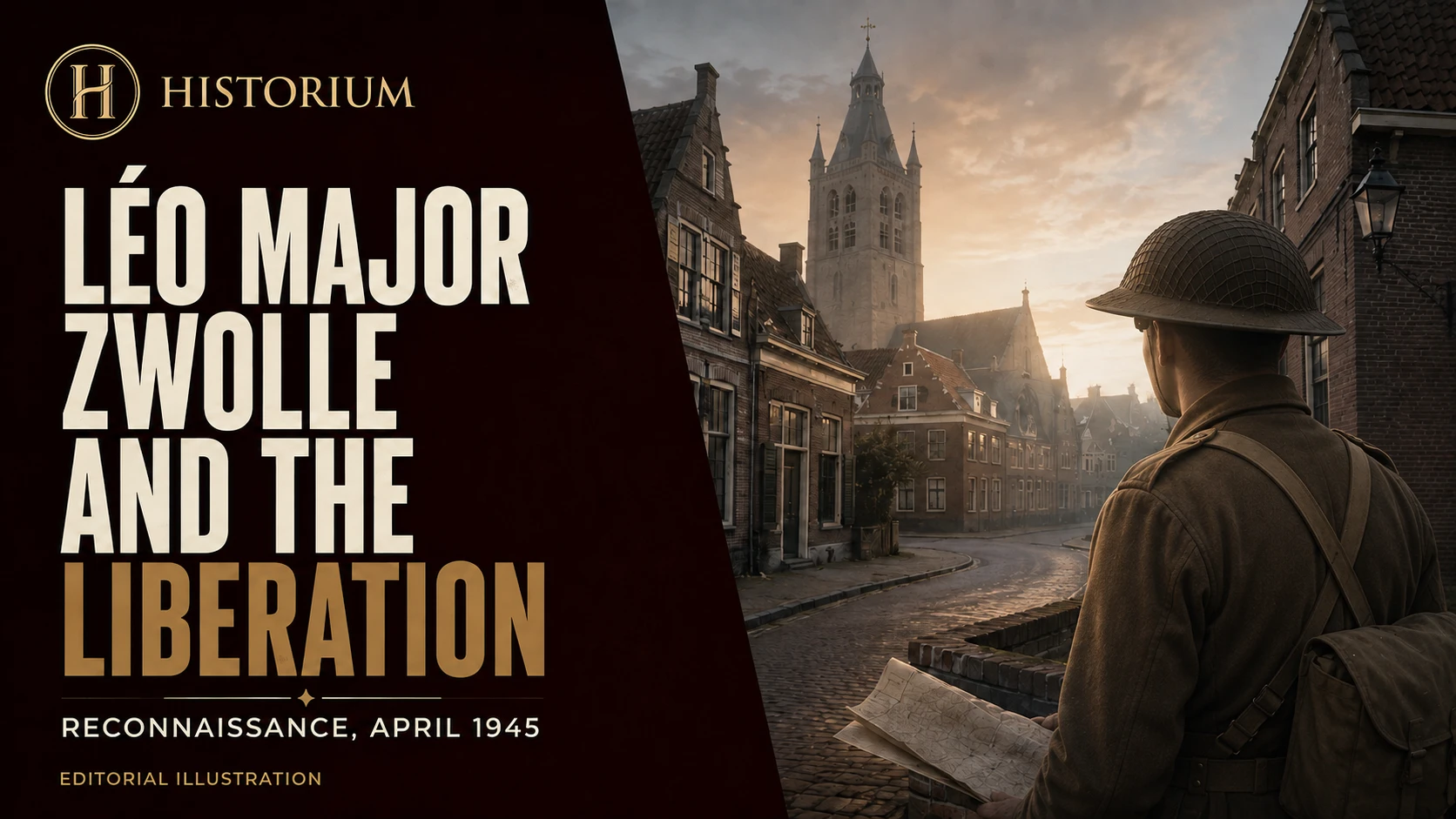
Léo Major’s reconnaissance helped Canadian troops enter Zwolle. Award records, military history and local remembrance show how an important mission became a solitary-hero legend.
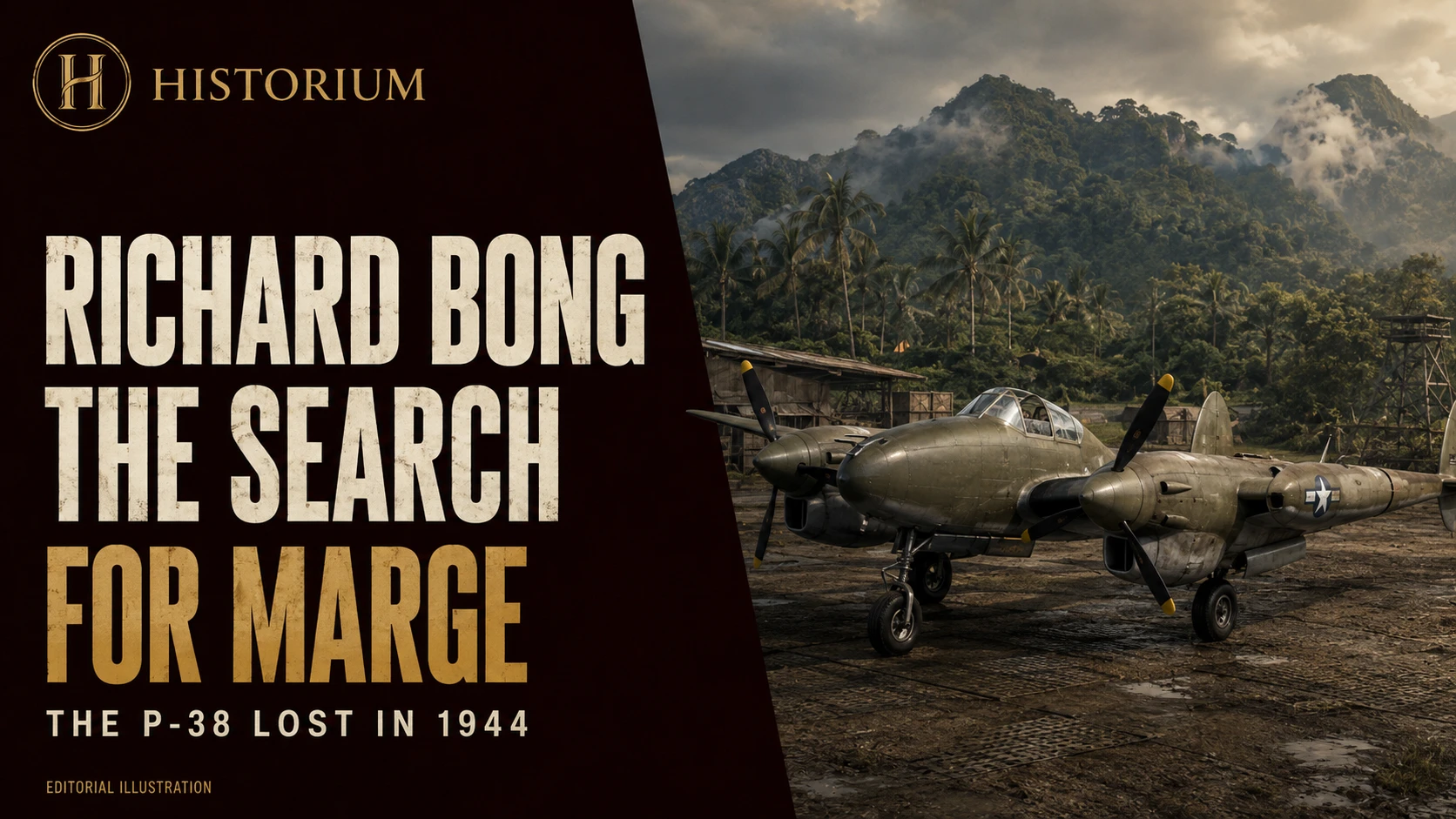
The history of Marge separates a famous pilot from a particular airframe, follows Thomas Malone’s survival and examines how researchers established the wreck’s identity.
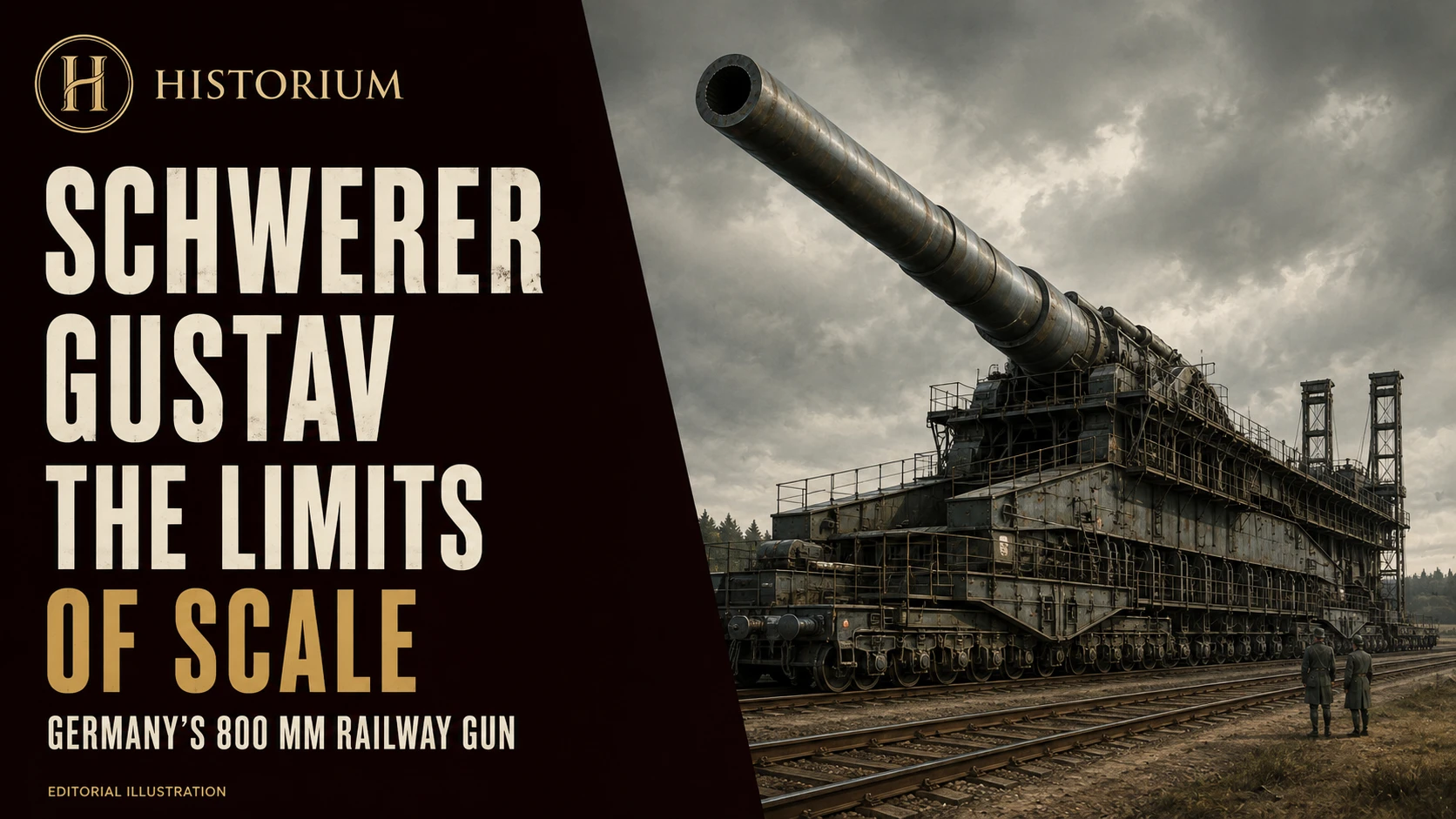
The history of Germany’s 800-millimetre railway gun separates fortress-breaking ambitions from its use at Sevastopol, and explains why logistics matter as much as size.
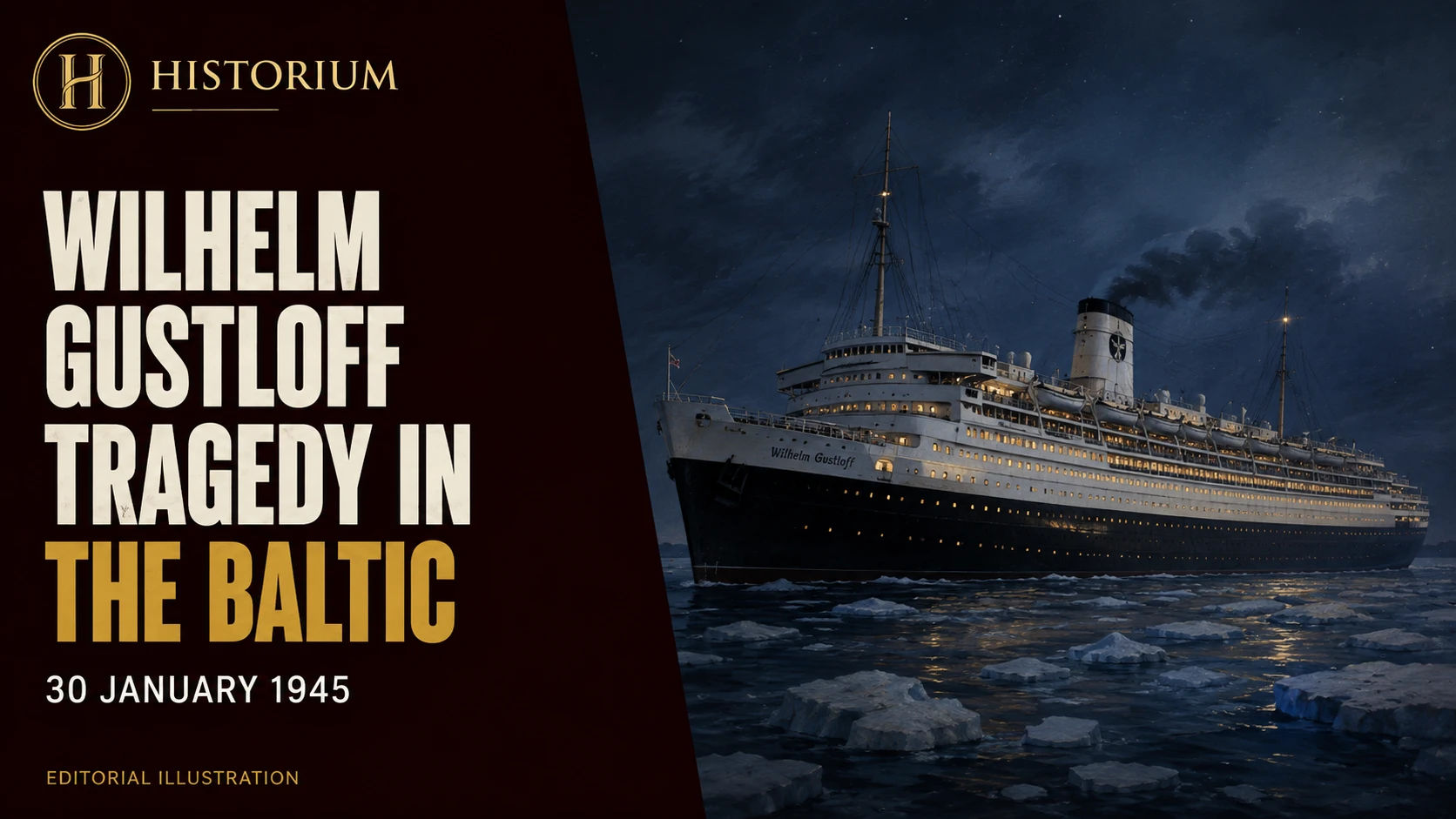
On 30 January 1945, a Soviet submarine sank Wilhelm Gustloff with thousands aboard. The disaster’s scale is clear; its exact death toll is not.
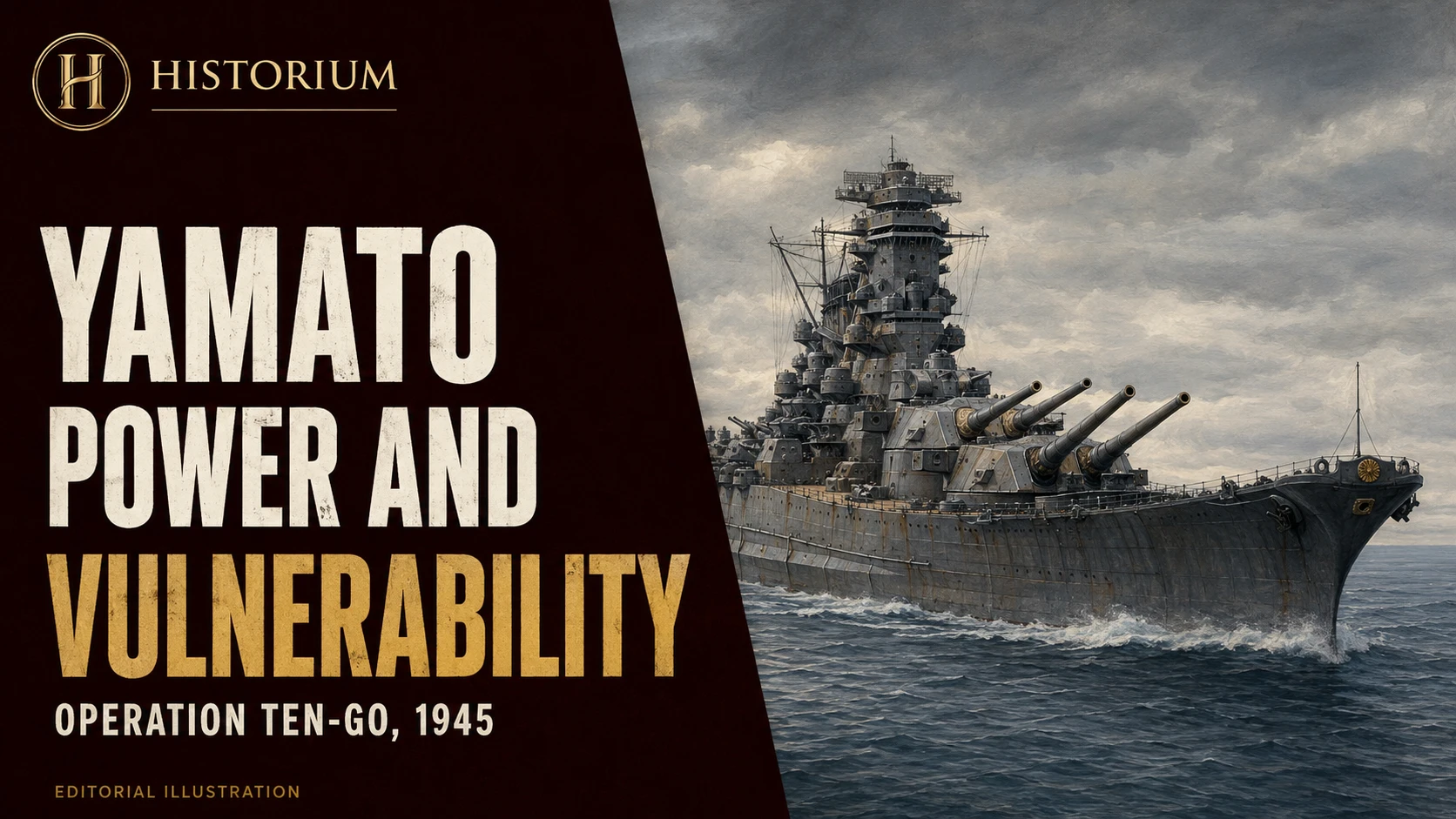
Yamato’s immense guns could not secure the sea or sky around it. Its final mission explains the difference between a powerful ship and a viable operation.
Urban combat and Soviet encirclement trapped Germany’s Sixth Army at Stalingrad. Soldiers’ letters bring the battle’s hunger, fear and collapsing expectations into the military history.
After the Nuremberg executions in October 1946, the condemned men’s remains were cremated and their ashes dispersed. The decisions were intended to prevent graves becoming Nazi memorials.
Japan’s rocket-powered Ohka depended on a pilot and a vulnerable carrier bomber. Its design and combat record reveal the limits of a weapon built around a one-way mission.
The Nazis staged Theresienstadt for a Red Cross visit and a later propaganda film. The article traces the preparations, forced performances and deportations concealed by those images.
Japan’s surrender followed the atomic bombings and Soviet entry into the war. Diplomatic records and cabinet debates help explain how these shocks intersected with an already deepening crisis.
Otto Günsche served in Hitler’s inner circle and carried out orders in the bunker’s final hours. His Soviet captivity and later life clarify the limits of the claim that he was never tried.
Contemporary accounts recorded the statements of Nazi leaders hanged at Nuremberg in 1946. Their reported final words belong alongside the tribunal’s evidence, verdicts and victims’ testimony.
Claude Lanzmann secretly filmed former Treblinka SS member Franz Suchomel for Shoah. The recording exposes perpetrator testimony and the challenge of reading evasions alongside historical evidence.
In May 1945, an RAF attack struck ships carrying concentration-camp prisoners in Lübeck Bay. The Cap Arcona disaster connects the closing days of the war with the fate of Neuengamme’s prisoners.
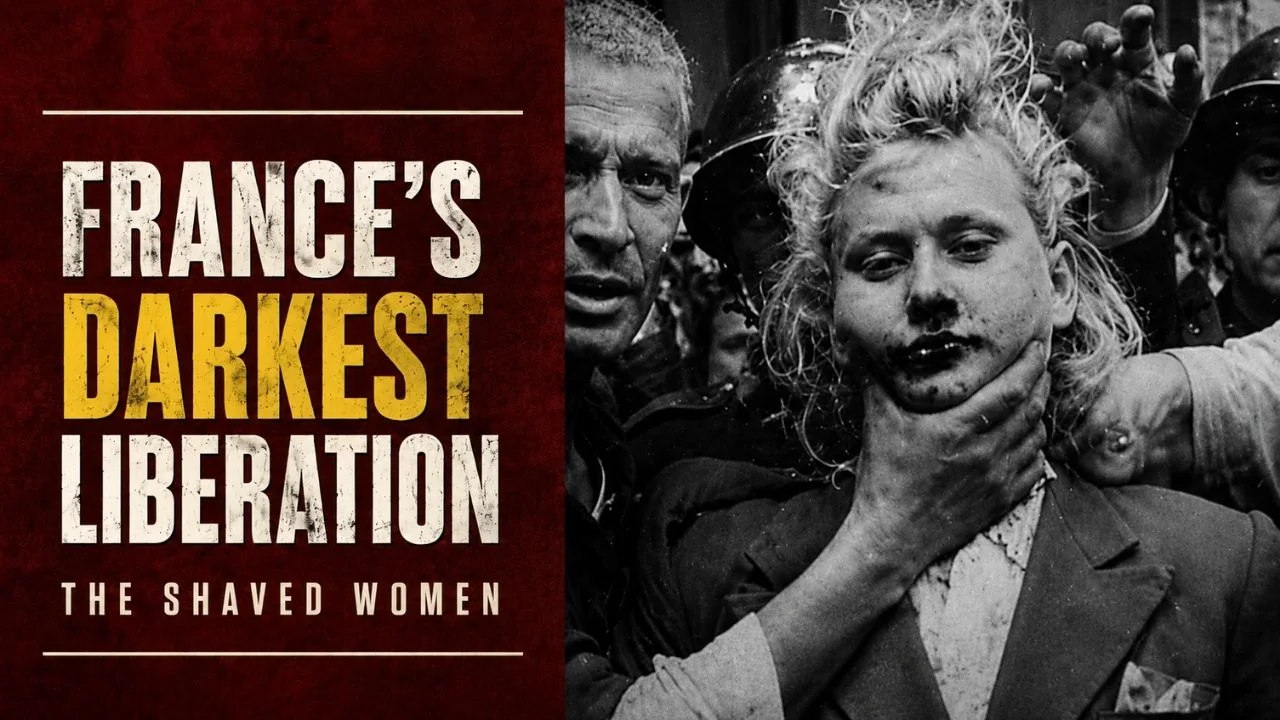
During France’s liberation, women accused of collaboration were publicly shaved and humiliated. The history of Les Tondues examines punishment, gender and the uneven boundary between justice and revenge.
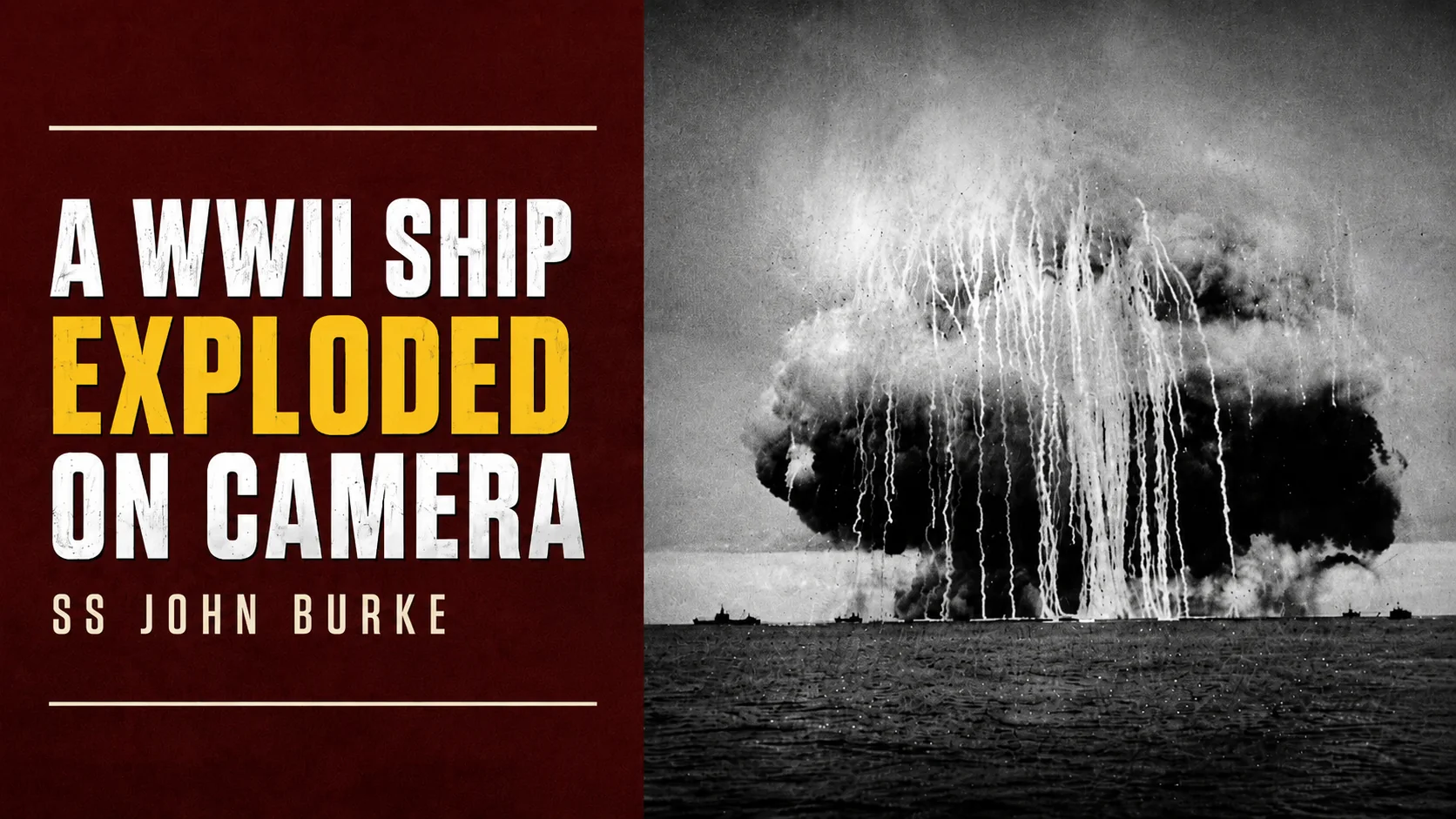
SS John Burke was carrying ammunition to the Philippines when a kamikaze struck in December 1944. Naval records place the filmed explosion within the dangerous supply operations around Mindoro.
Switzerland remained neutral while trading with Nazi Germany and restricting refugee entry. The Bergier inquiry and archival records examine the economic choices and human costs behind that neutrality.
Adolf Eichmann’s trial in Jerusalem exposed his role in the deportation of European Jews. The article follows the prosecution, execution and contemporary reporting of his final statements.
Converted from a Yamato-class battleship hull, Shinano sailed before her systems were ready. USS Archerfish’s attack and failures in damage control explain why the carrier sank on her first voyage.
HMS Barham was torpedoed in the Mediterranean on 25 November 1941. Film and survivor testimony record the battleship’s rapid loss while preserving different views of the men and events behind the image.