Description
The Radium Girls’ history connects luminous dial painting with evidence in breath and bone, a contested settlement, long research and contaminated factory sites.
Historium Journal
Long-form reporting, research notes, and deeper context for the people and events explored in our films.
The Radium Girls’ history connects luminous dial painting with evidence in breath and bone, a contested settlement, long research and contaminated factory sites.
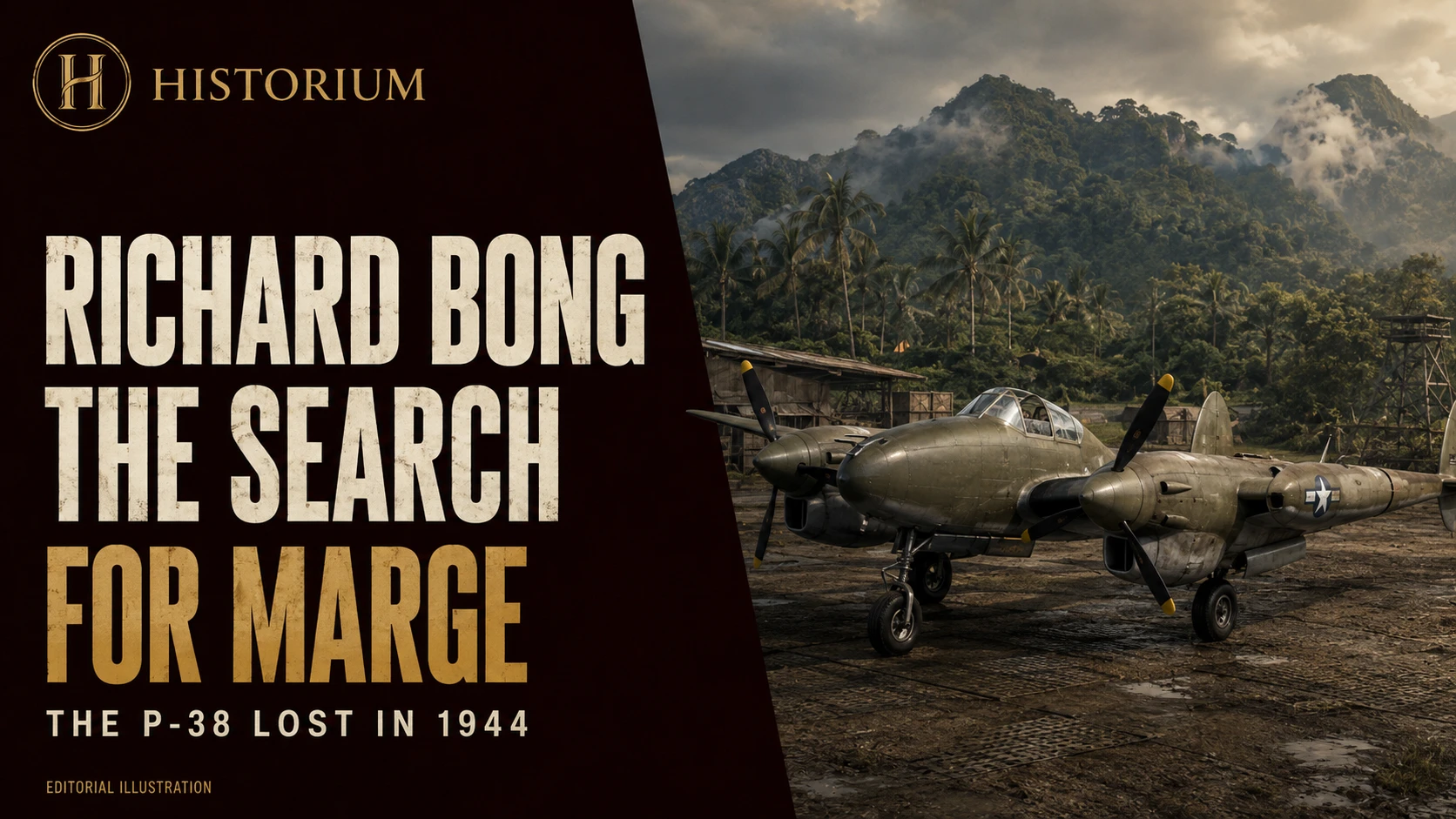
The history of Marge separates a famous pilot from a particular airframe, follows Thomas Malone’s survival and examines how researchers established the wreck’s identity.
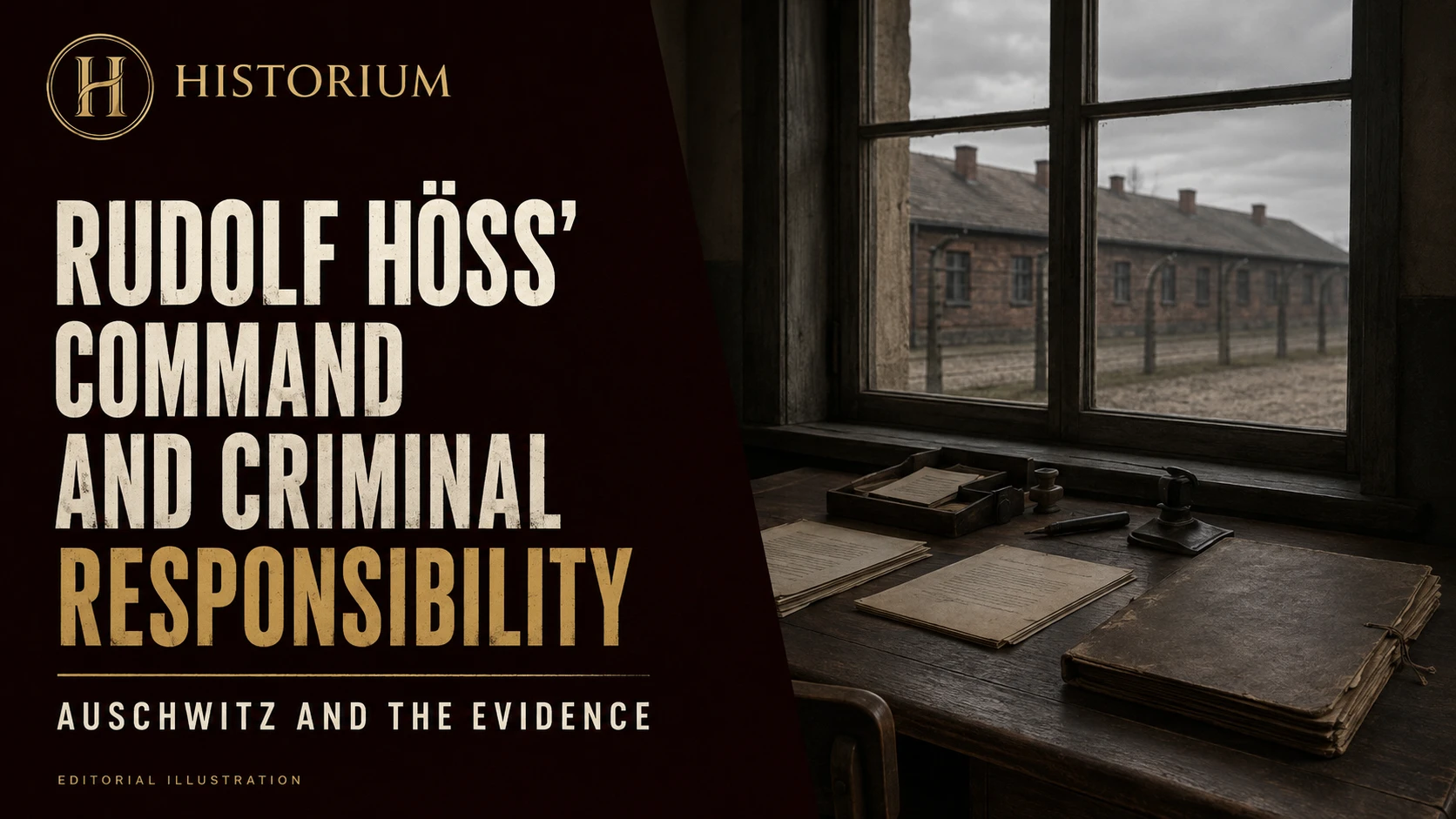
Rudolf Höss helped build Auschwitz into a center of mass murder. His changing posts, postwar testimony and 1947 trial require careful distinctions.
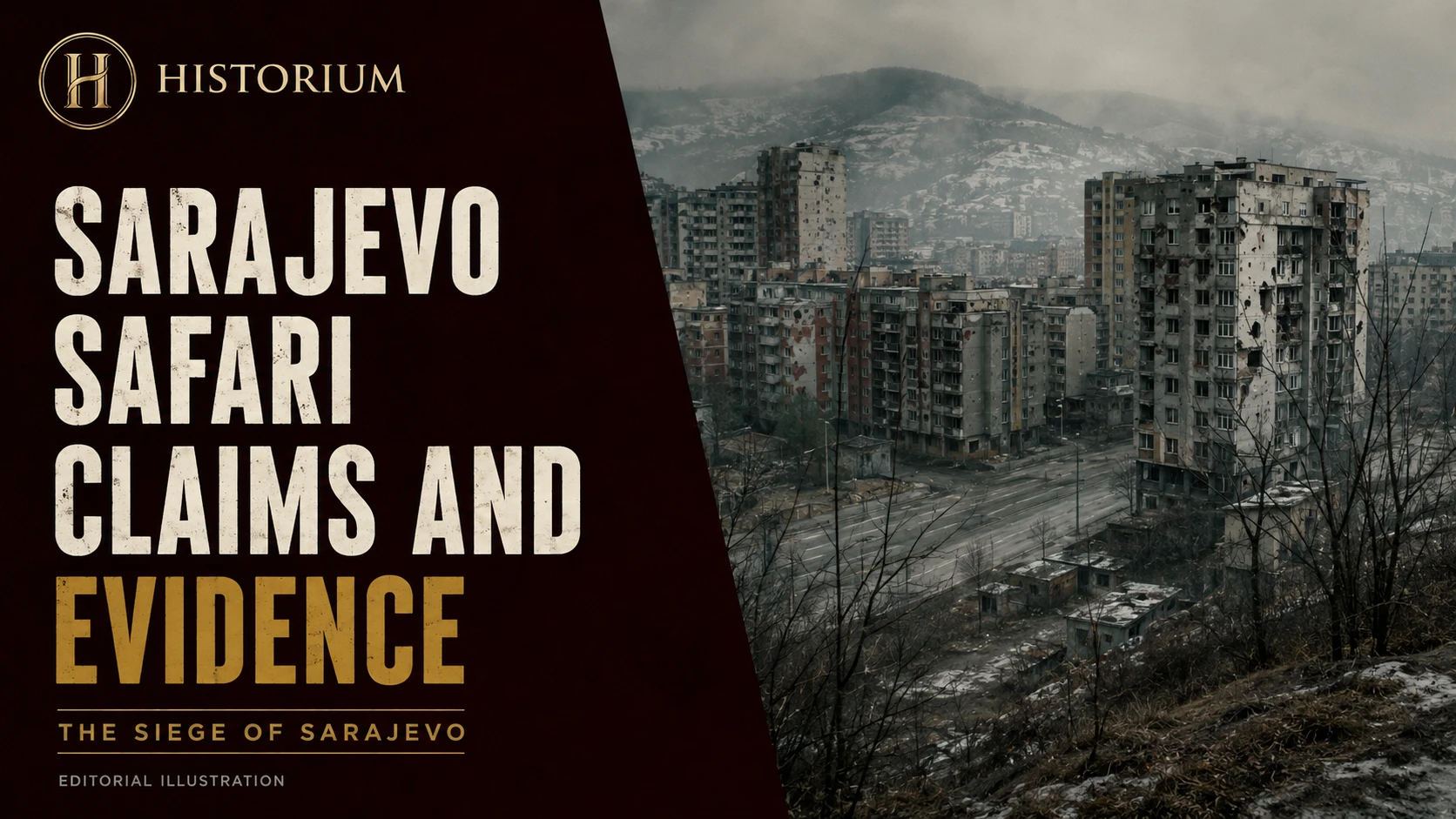
What do court records establish about the siege of Sarajevo, and what remains alleged about foreign visitors who reportedly paid to shoot civilians?
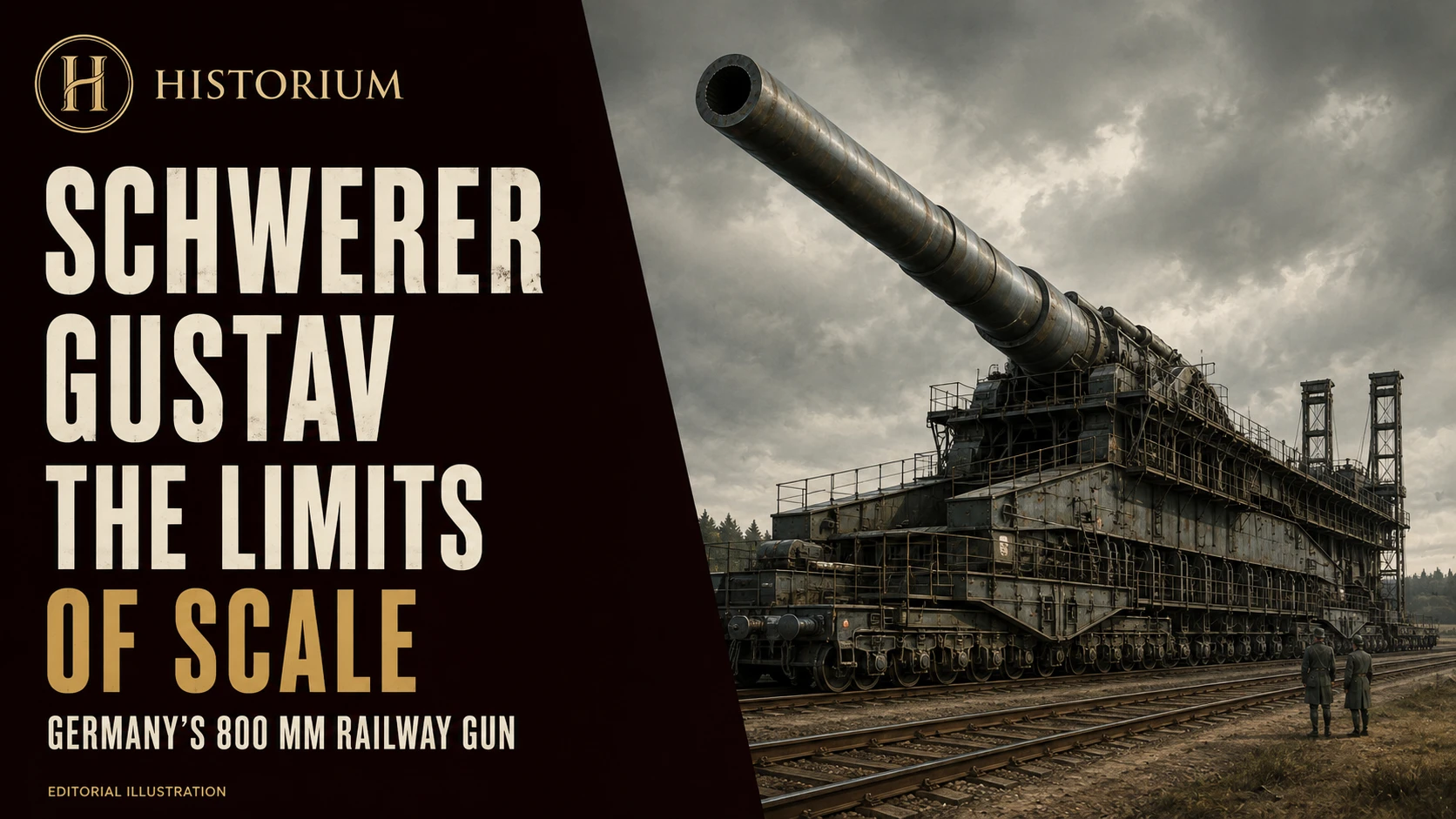
The history of Germany’s 800-millimetre railway gun separates fortress-breaking ambitions from its use at Sevastopol, and explains why logistics matter as much as size.
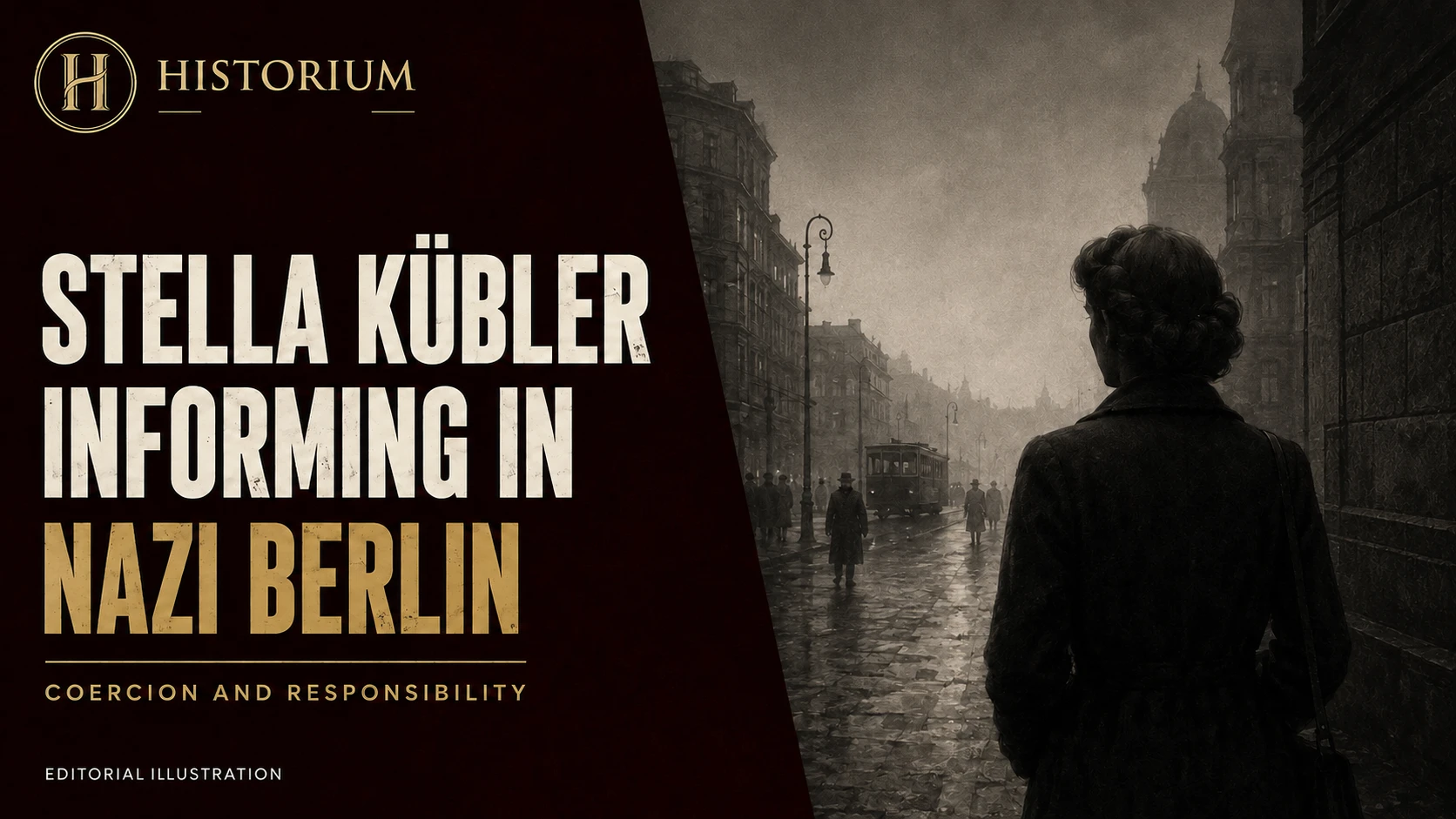
Stella Kübler helped the Gestapo find Jews in hiding. Her story demands attention to coercion, individual responsibility and the people she betrayed.
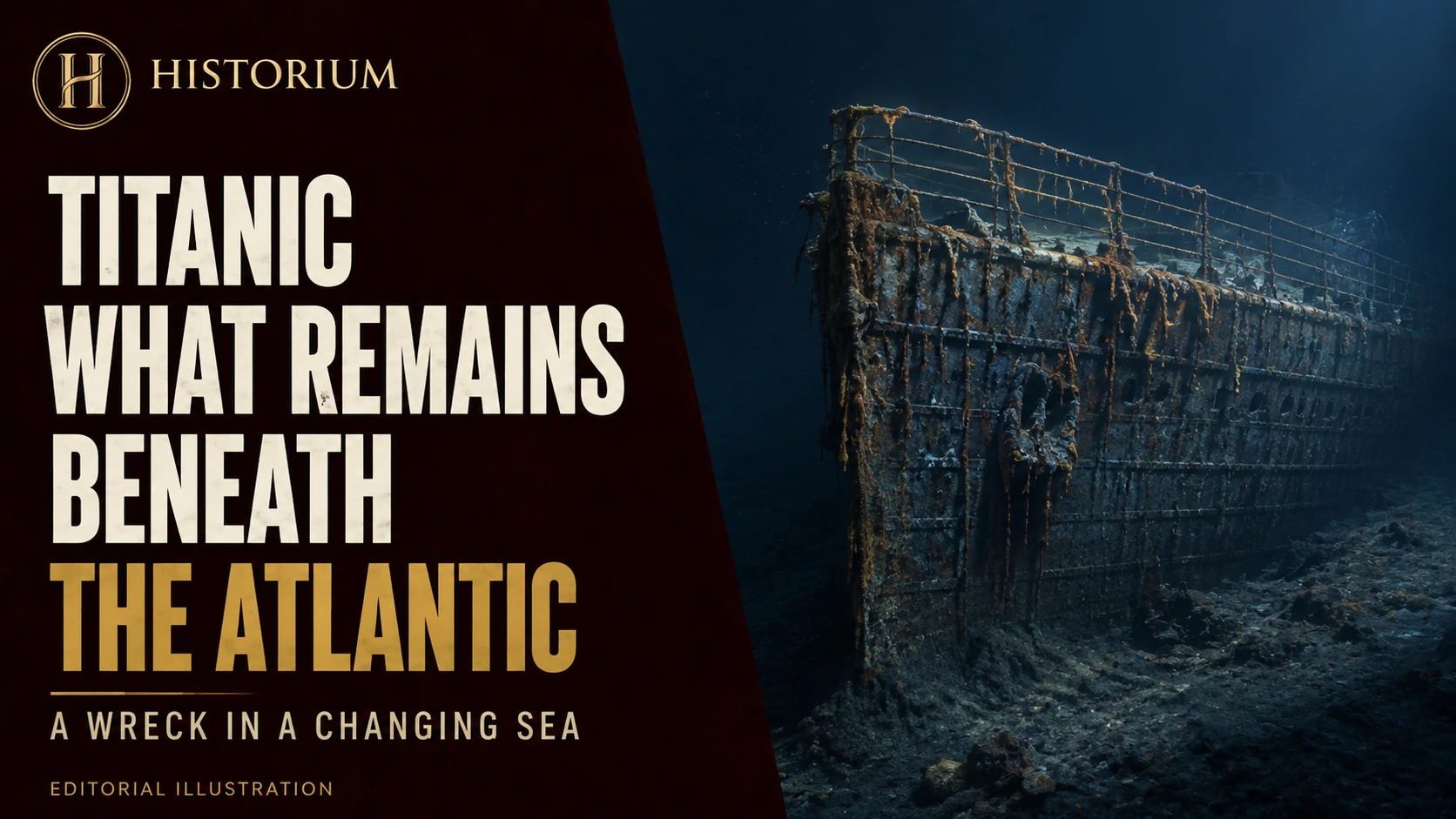
Titanic’s changing condition is best understood through dated surveys and specific observations. Rusticles and a fallen railing tell a more precise story than a countdown.
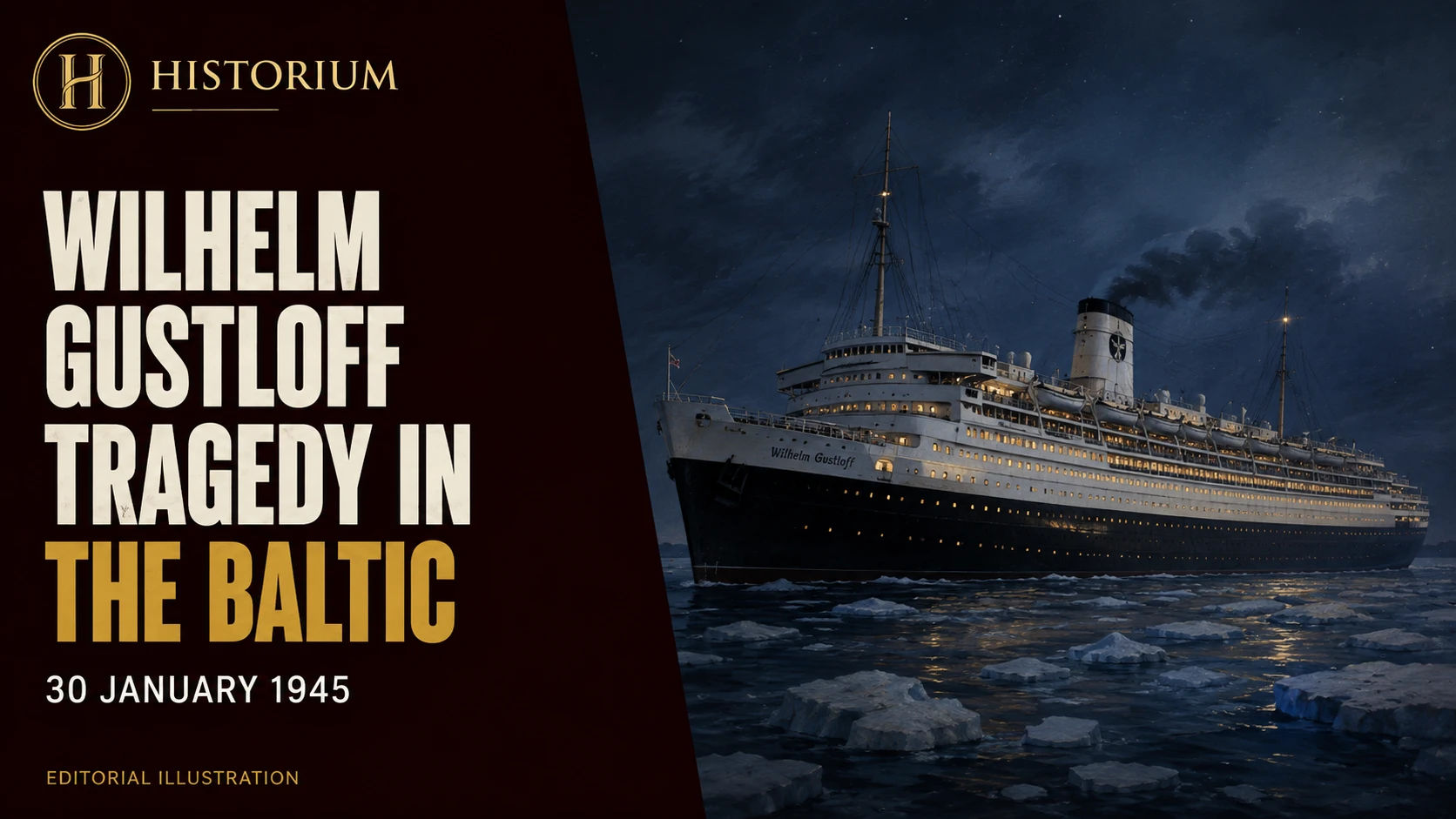
On 30 January 1945, a Soviet submarine sank Wilhelm Gustloff with thousands aboard. The disaster’s scale is clear; its exact death toll is not.
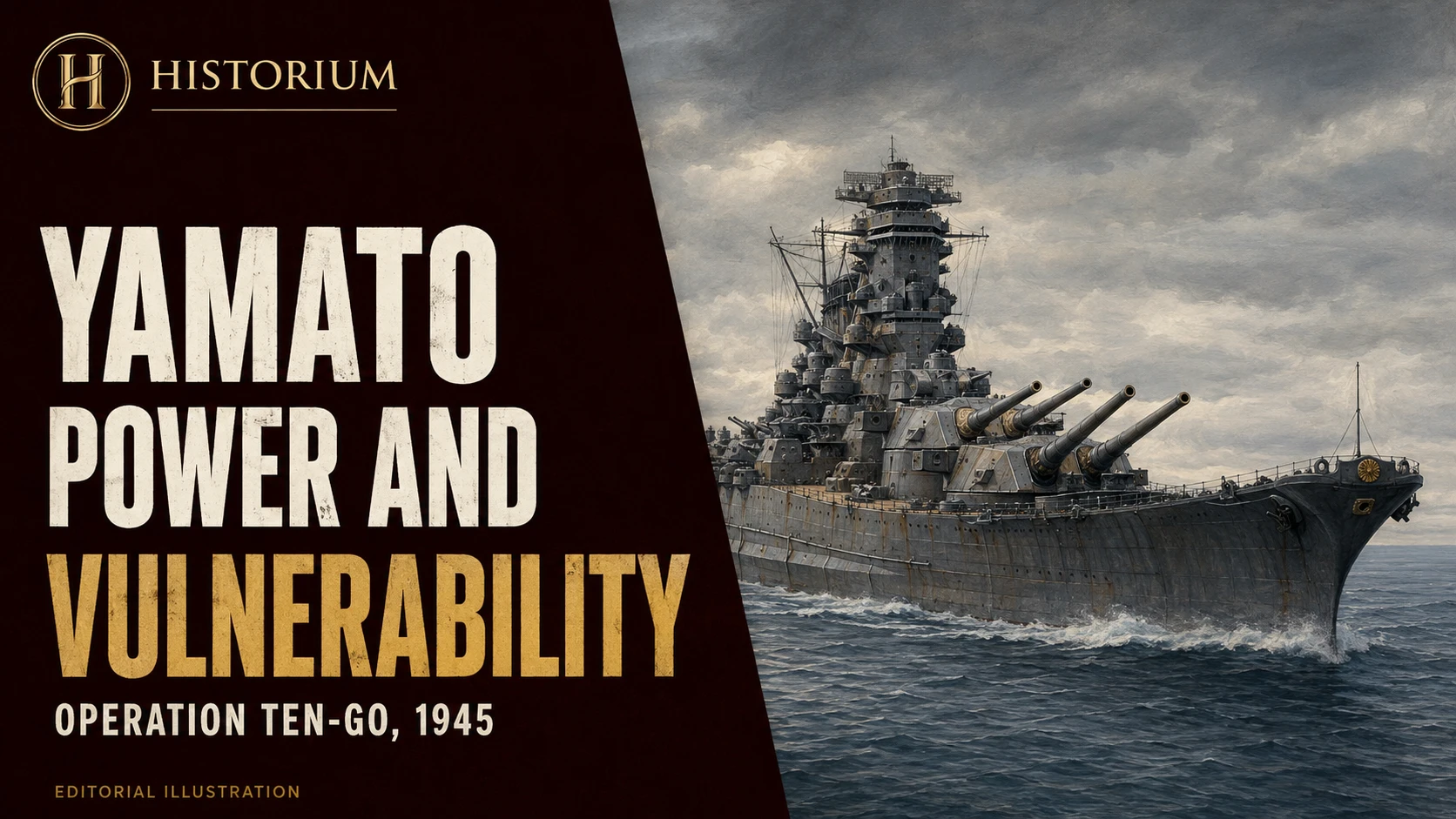
Yamato’s immense guns could not secure the sea or sky around it. Its final mission explains the difference between a powerful ship and a viable operation.
After surviving the 1981 shooting, John Paul II publicly forgave Mehmet Ali Ağca. Their 1983 prison meeting reveals how the pope understood forgiveness without setting aside justice.
Moulton Taylor’s Aerocar combined a road vehicle with detachable wings. Its flights, certification and production obstacles show how a working flying car remained a rare experiment.
Urban combat and Soviet encirclement trapped Germany’s Sixth Army at Stalingrad. Soldiers’ letters bring the battle’s hunger, fear and collapsing expectations into the military history.
After the Nuremberg executions in October 1946, the condemned men’s remains were cremated and their ashes dispersed. The decisions were intended to prevent graves becoming Nazi memorials.
Japan’s rocket-powered Ohka depended on a pilot and a vulnerable carrier bomber. Its design and combat record reveal the limits of a weapon built around a one-way mission.
The Nazis staged Theresienstadt for a Red Cross visit and a later propaganda film. The article traces the preparations, forced performances and deportations concealed by those images.
Japan’s surrender followed the atomic bombings and Soviet entry into the war. Diplomatic records and cabinet debates help explain how these shocks intersected with an already deepening crisis.
Otto Günsche served in Hitler’s inner circle and carried out orders in the bunker’s final hours. His Soviet captivity and later life clarify the limits of the claim that he was never tried.
Contemporary accounts recorded the statements of Nazi leaders hanged at Nuremberg in 1946. Their reported final words belong alongside the tribunal’s evidence, verdicts and victims’ testimony.
Claude Lanzmann secretly filmed former Treblinka SS member Franz Suchomel for Shoah. The recording exposes perpetrator testimony and the challenge of reading evasions alongside historical evidence.
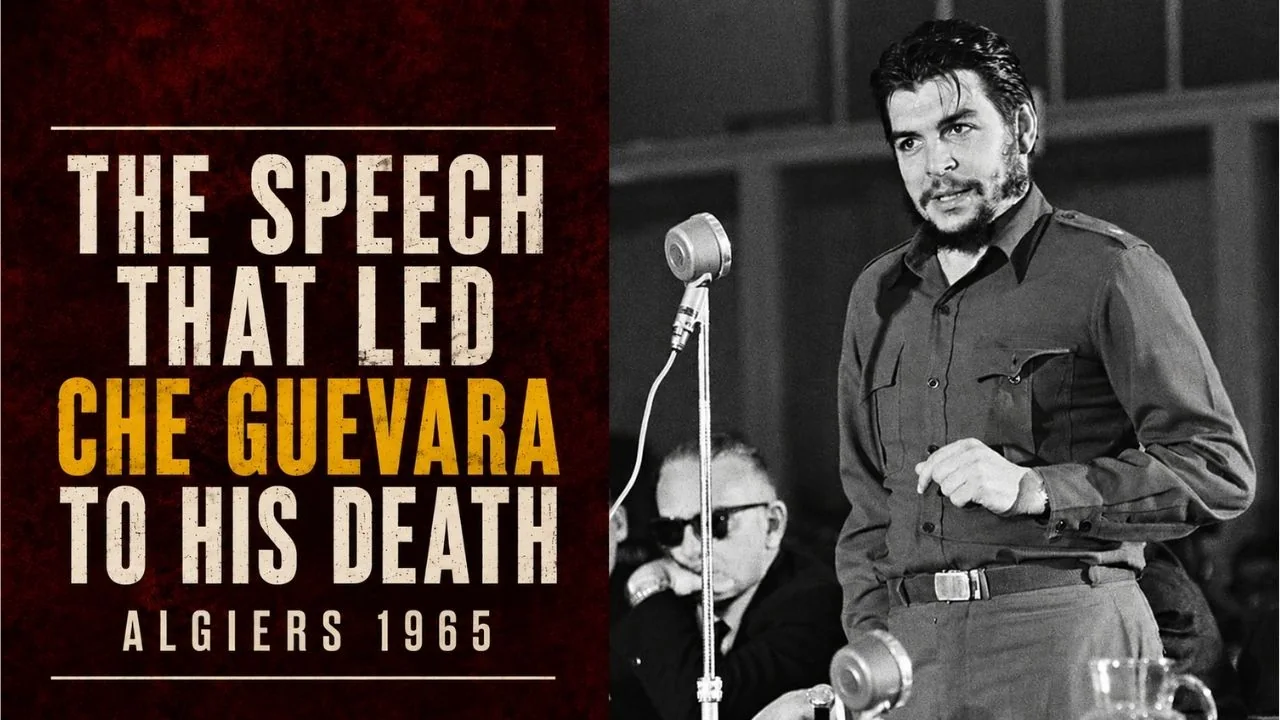
Follow Che Guevara from the Algiers speech through the Congo and Bolivia campaigns. The chronology separates political disagreements, failed operations and the circumstances of his 1967 execution.
In May 1945, an RAF attack struck ships carrying concentration-camp prisoners in Lübeck Bay. The Cap Arcona disaster connects the closing days of the war with the fate of Neuengamme’s prisoners.
Che Guevara’s 1965 Algiers speech challenged the economic conduct of socialist states. Its arguments illuminate a diplomatic dispute without proving that the speech caused his later death.
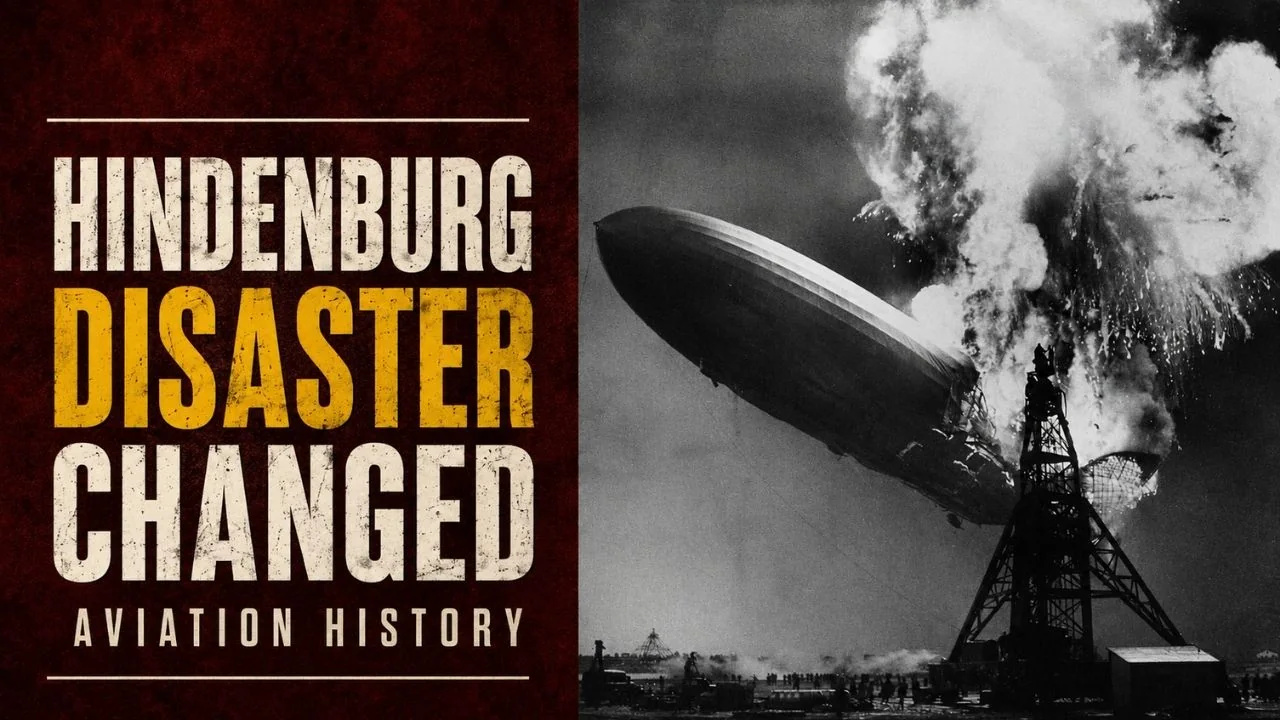
The Hindenburg fire at Lakehurst became an event remembered through film, photographs and a radio report. The article examines the airship, the disaster and the records that shaped its legacy.
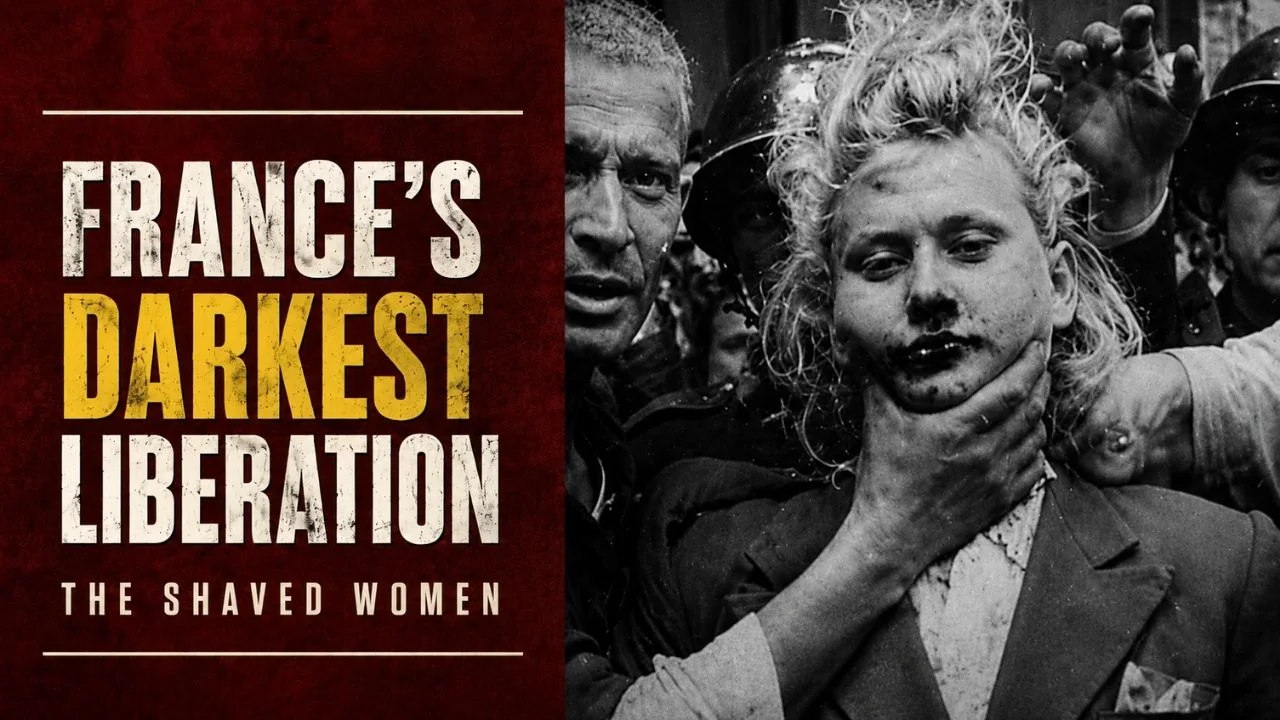
During France’s liberation, women accused of collaboration were publicly shaved and humiliated. The history of Les Tondues examines punishment, gender and the uneven boundary between justice and revenge.