Description
A divided party, a relentless railway campaign and a durable voter coalition carried Truman past Dewey on November 2, 1948.
Historium Journal
Long-form reporting, research notes, and deeper context for the people and events explored in our films.
A divided party, a relentless railway campaign and a durable voter coalition carried Truman past Dewey on November 2, 1948.
Julius II’s All Saints’ Day Mass marked the completion of Michelangelo’s ceiling, turning an older papal chapel into a new kind of painted world.
The Battle of Britain officially ends on October 31, 1940. Fighter Command has survived, the invasion has been postponed, and the Blitz continues.
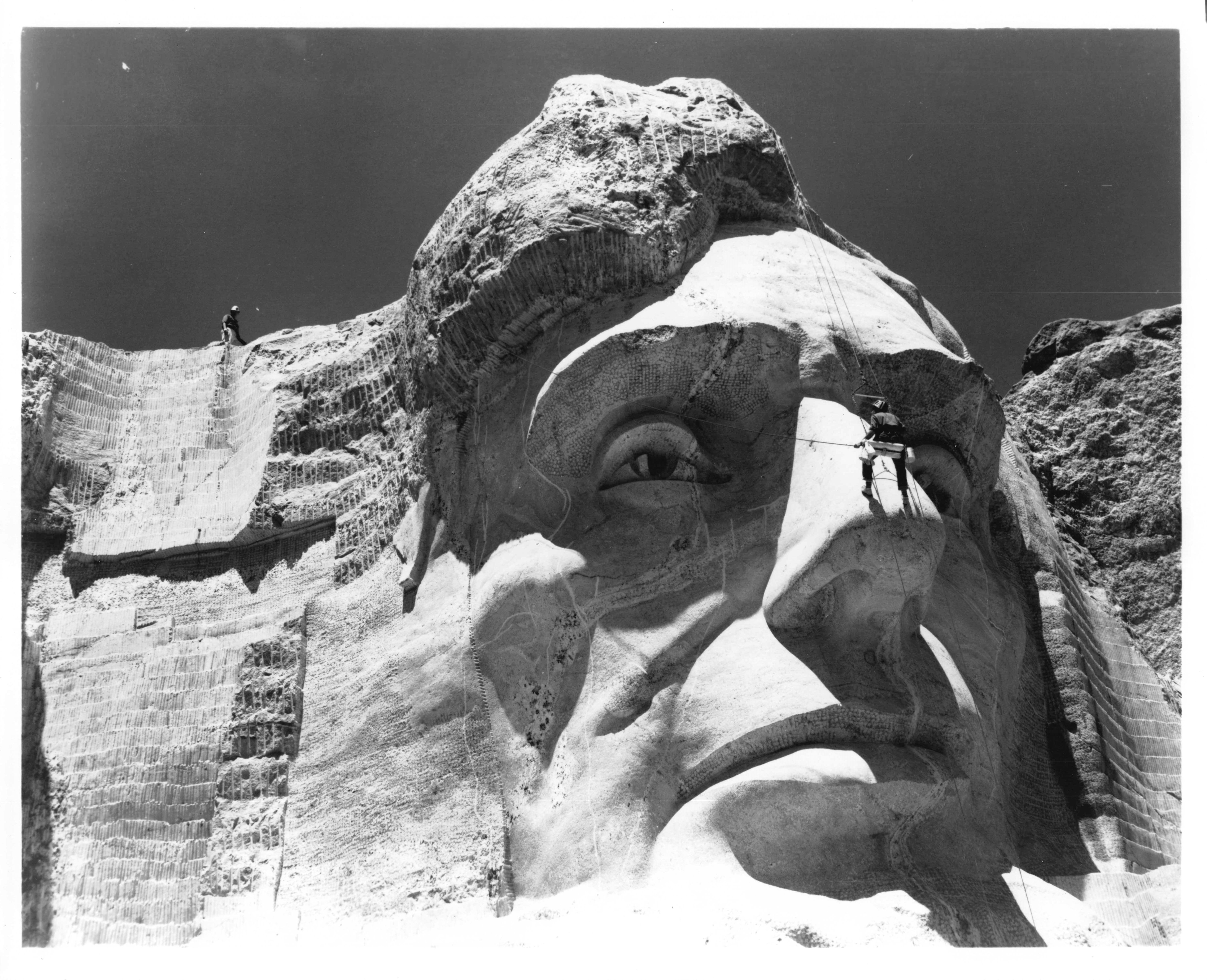
Four faces were complete, but the larger design remained unfinished. Mount Rushmore’s last day of carving closed a story of labor, money and contested land.
Boeing’s future Flying Fortress crashed with its controls locked. The investigation exposed a gap between an advanced aircraft and the routines of its experienced crew.
The proclamation in Ankara did more than give the state a new name. It created a presidency and changed how the government was formed.
Israel’s invasion of Sinai opened a war planned with Britain and France. The military timetable soon collided with American opposition and UN demands for withdrawal.
Lincoln won a decisive Electoral College majority with less than 40 percent of the popular vote. Campaign images and election records reveal how that victory worked.
A short wartime letter promised a Jewish national home in Palestine. Its wording, safeguards and later place in the British Mandate deserve a close reading.
A stair appeared on November 4. The chambers, shrines and coffins followed over months and years. The excavation records tell the difference.
The Australian charge at Beersheba secured vital water supplies, but a day of infantry and mounted fighting made the breakthrough possible.
On October 29, 1998, John Glenn returned to space at 77. Discovery’s mission joined his remarkable comeback to experiments on aging, weightlessness and the Sun.
How Che Guevara changed his appearance in 1966 with dental prosthetics, hair removal and false identities before his secret journey into Bolivia.
Bismarck entered the Atlantic in May 1941 to attack Britain’s supply routes. Nine days later, after sinking HMS Hood, suffering serious damage and losing her steering to a Swordfish torpedo, Germany’s most famous…
Israel’s Haredi population is growing at a pace unmatched by any other major group in the country. They are still far from a numerical majority, but demographics, disciplined political parties and Israel’s coalition…
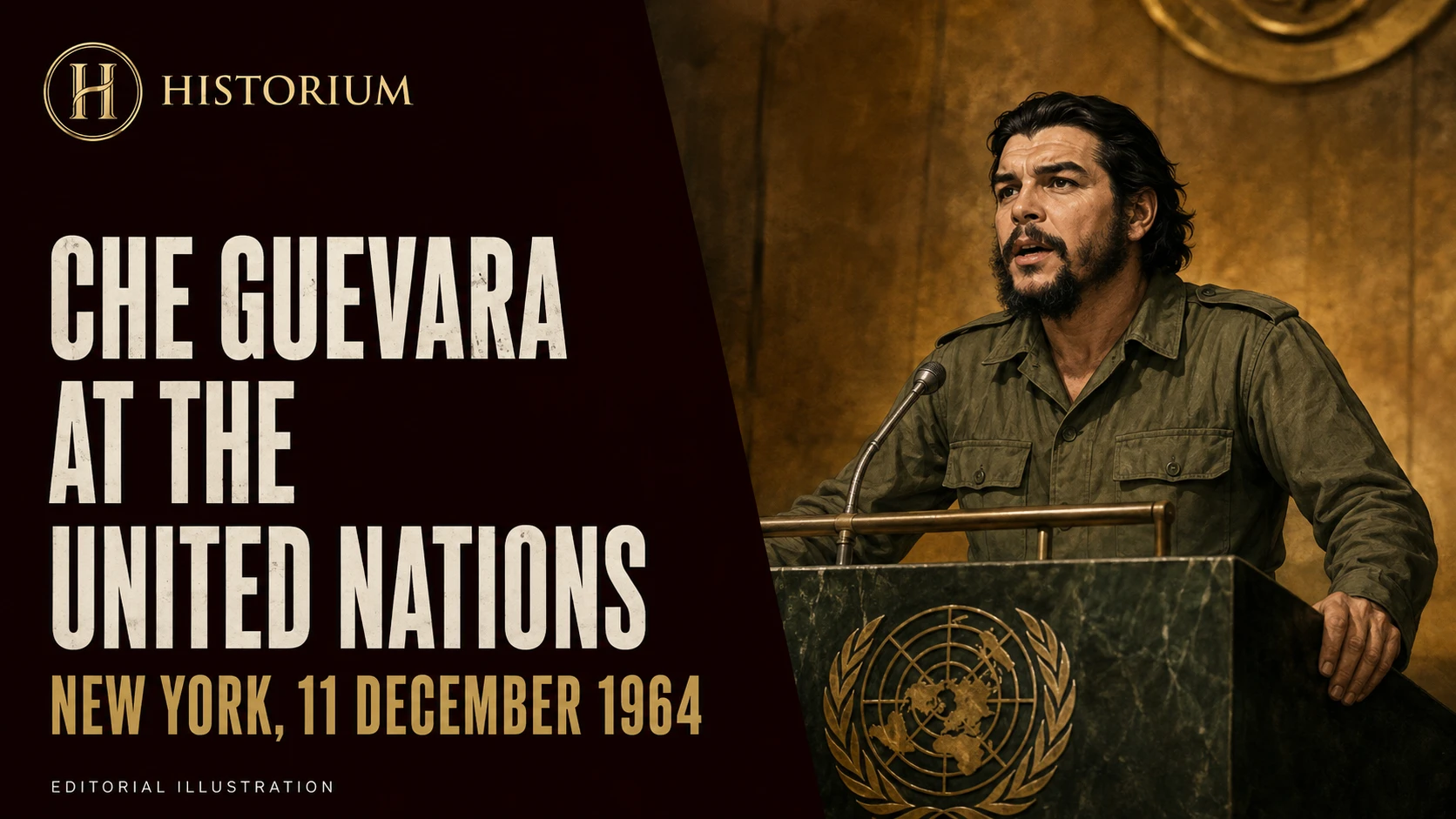
Che Guevara’s December 1964 UN address placed Cuba’s revolution before a global audience. The speech, diplomatic records and a later Algiers address reveal different parts of that moment.
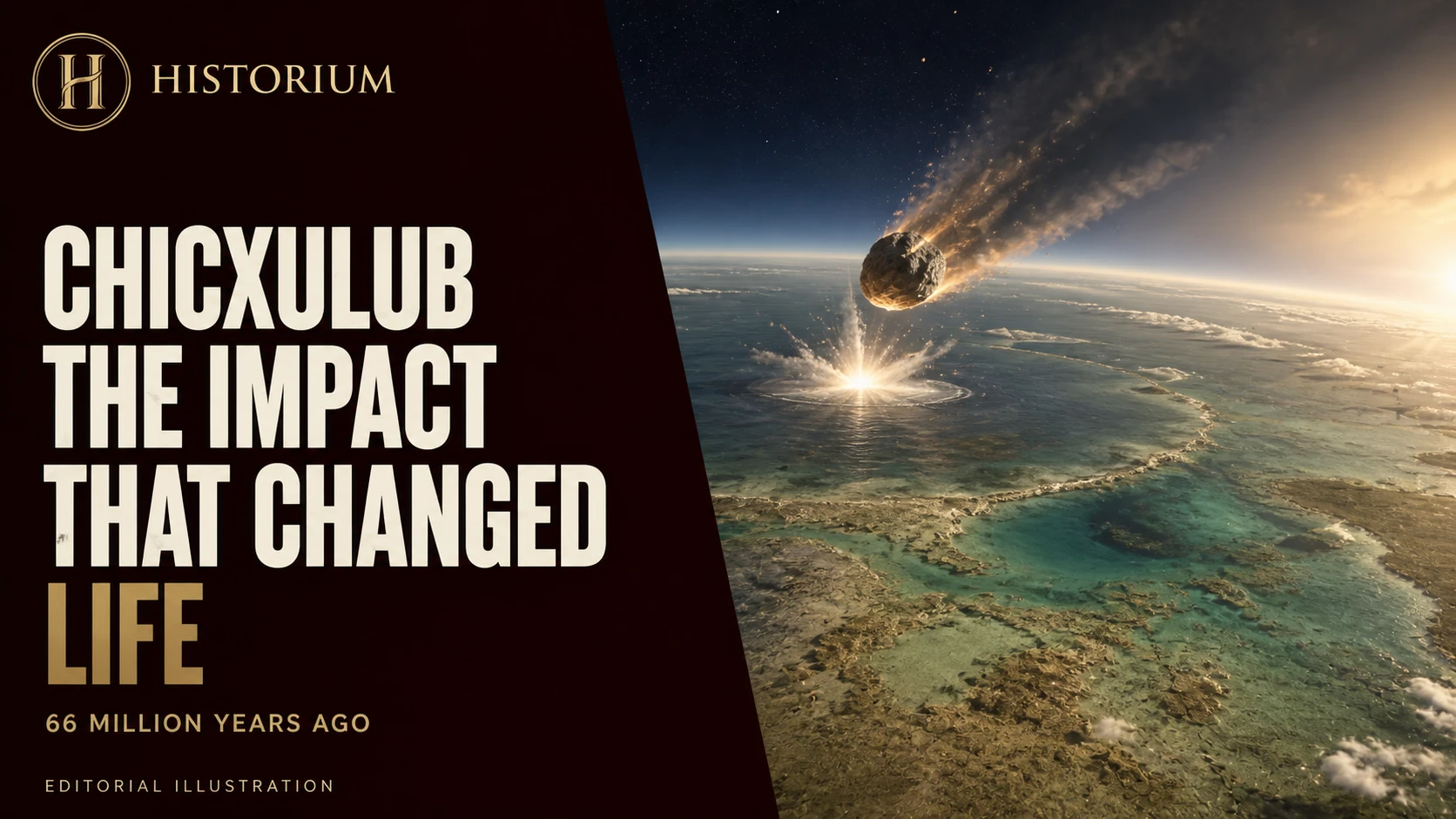
Chicxulub’s history connects a sudden impact with atmospheric disruption, lost species and surviving birds. Rocks and microscopic fossils reveal different stages of the crisis.
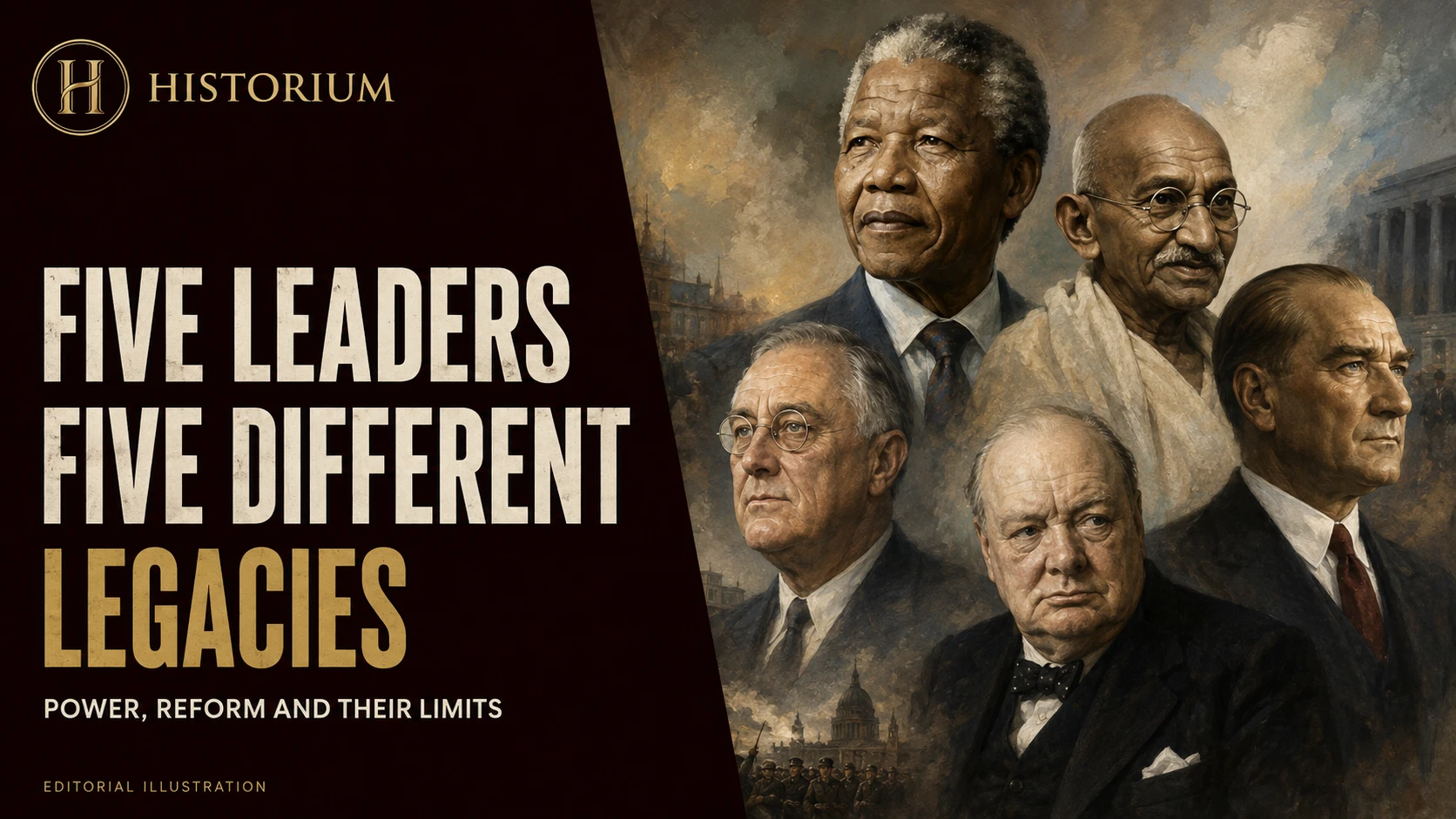
Mandela, Gandhi, Roosevelt, Churchill and Atatürk faced different crises. Comparing their decisions reveals more than treating political leadership as a contest with an objective winner.
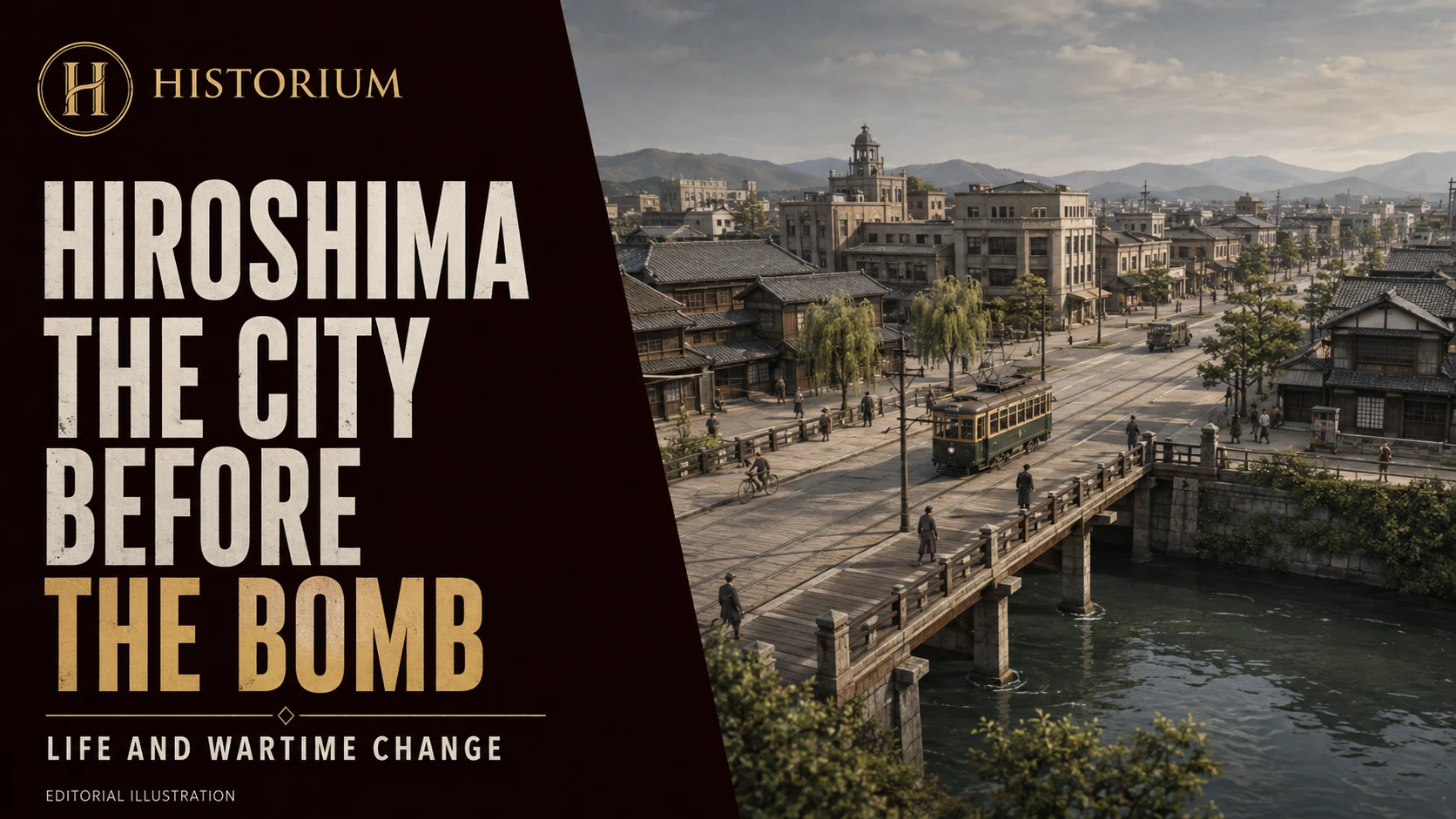
Before 6 August 1945, Hiroshima was a lived-in city of shops, trams, schools and neighborhoods, increasingly reshaped by Japan’s wars and mobilization.
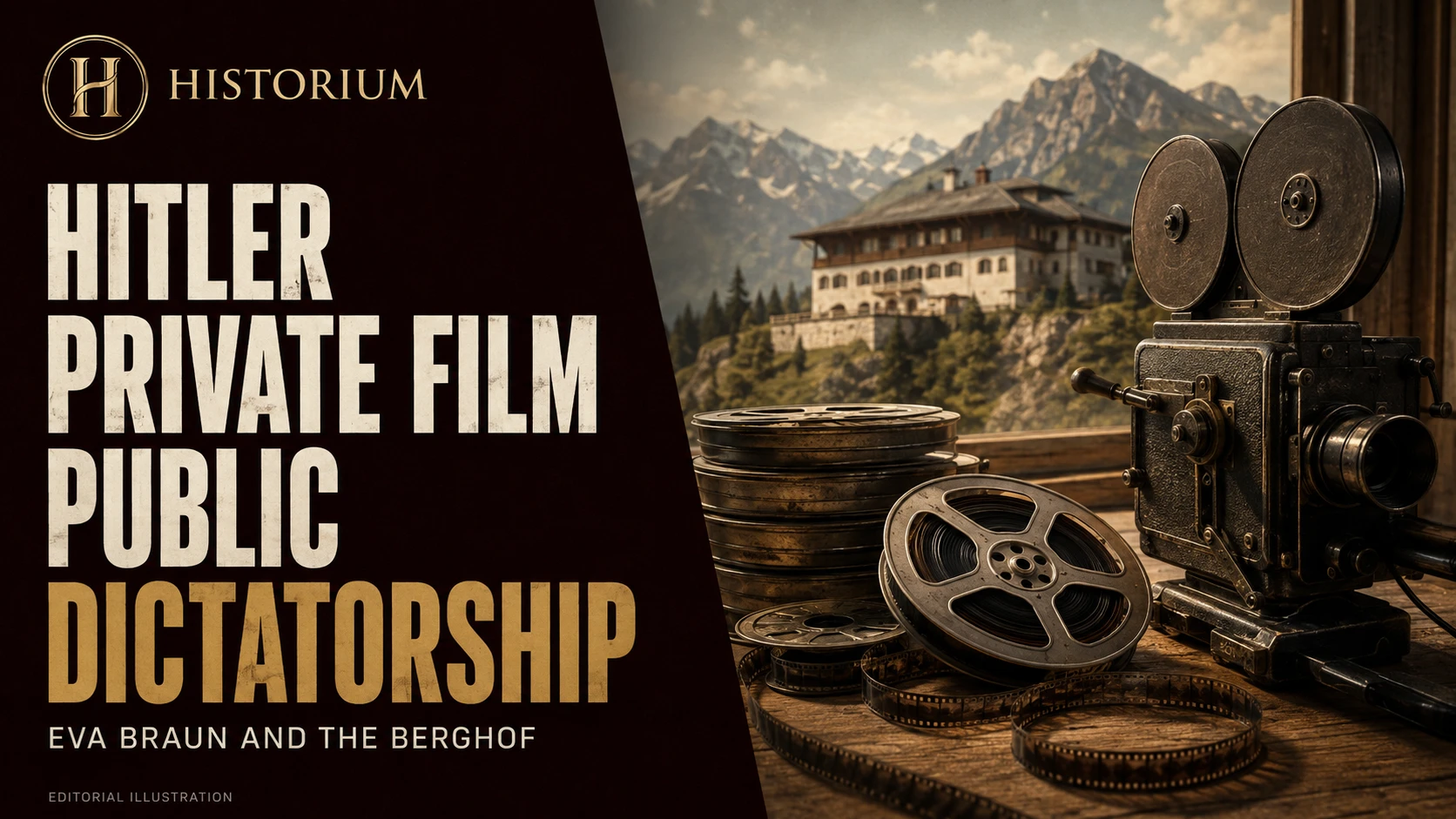
Eva Braun’s home movies show leisure inside Hitler’s circle. Archive records explain their origin, their silences and the dictatorship surrounding the frame.
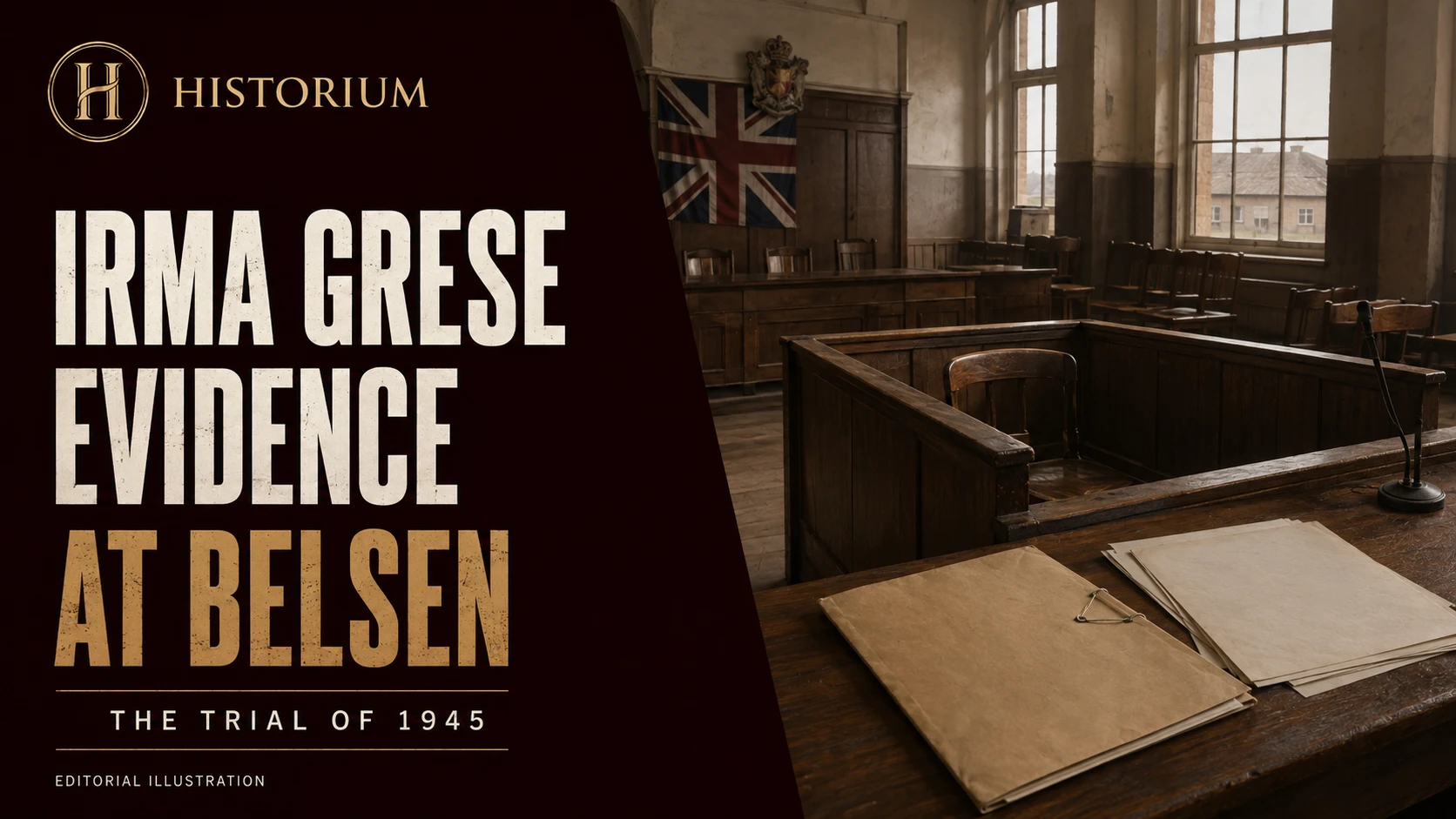
The 1945 Belsen trial established Irma Grese’s responsibility for crimes at two camps. Its records tell a more serious story than notorious nicknames.
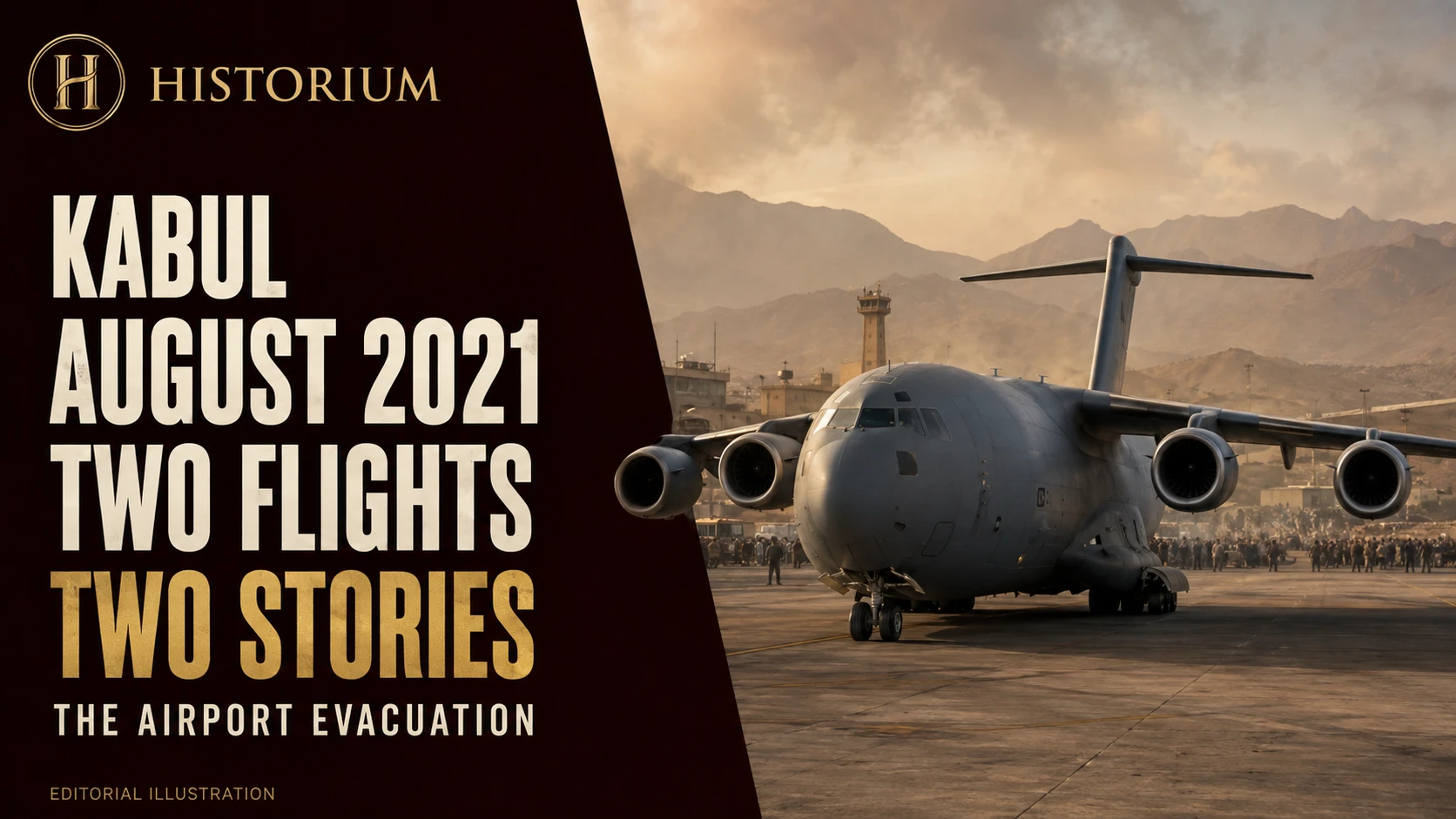
Two C-17 flights tell different stories of Kabul’s evacuation. A dated account separates REACH 871’s passengers from the later fatal incident and examines the wider crisis.
Léo Major’s reconnaissance helped Canadian troops enter Zwolle. Award records, military history and local remembrance show how an important mission became a solitary-hero legend.
Dated decrees, election results and observer reports explain Russia’s transition from Boris Yeltsin to Vladimir Putin in 1999–2000.