Description
Wilson’s electoral landslide rested on a popular-vote plurality. Roosevelt, Taft and Debs made 1912 a contest over competing answers to industrial America.
Historium Journal
Long-form reporting, research notes, and deeper context for the people and events explored in our films.
Wilson’s electoral landslide rested on a popular-vote plurality. Roosevelt, Taft and Debs made 1912 a contest over competing answers to industrial America.
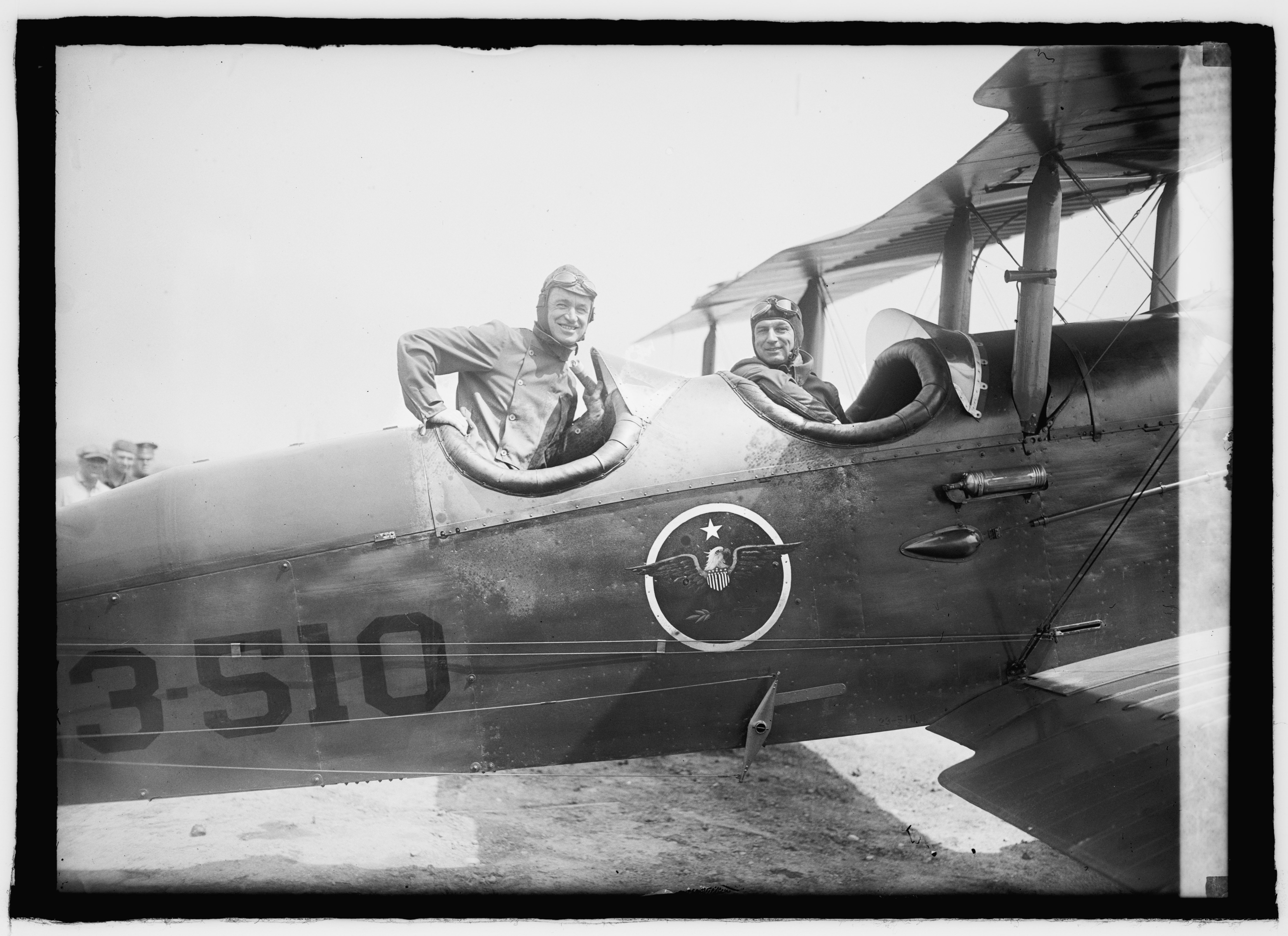
He missed the prize deadline, wrecked and repaired his airplane, and kept going. The first flight across America depended on a train full of people and spare parts.
A patent filed in 1879 and granted sixteen years later became a claim on the automobile industry. Henry Ford’s challenge eventually turned on the engine Selden had actually described.
Anthony voted in Rochester to test whether citizenship carried the right to vote. Her arrest and trial exposed the limits of that argument—and kept it before the public.
The FLN paired armed attacks with a proclamation of independence. The opening of the Algerian War was also a struggle over who could speak for the nation.
An invitation to the Lausanne conference sharpened the struggle between Ankara and Istanbul. The assembly ended the sultanate while keeping the caliphate.
The first full-scale thermonuclear test destroyed Elugelab. Its history includes an immense experiment, displaced islanders and consequences measured in decades.
Earthquake, tsunami and fire devastated Lisbon. The response reshaped the city and left a record of questions, rescued documents and haunting prints.
The warning was anonymous, the target was the English government, and the consequences reached far beyond the conspirators. The surviving records explain why.
The Soviet Union’s 50-megaton test was an immense demonstration of power. Its history also runs through Sakharov’s objections and the limits of the 1963 test ban.
Johnson’s halt to attacks on North Vietnam opened a diplomatic opportunity. The election, South Vietnamese objections and the continuing war complicated it immediately.
Houdini died from peritonitis in Detroit. His surviving photographs and papers reveal the preparation, publicity and skepticism behind the escape artist’s legend.
Born in the Cherokee Nation in 1879, Will Rogers turned a roping act into a public voice that moved across stage, newspapers, movies and radio.
Orson Welles’s radio invasion frightened some listeners. The surviving letters, photographs and news reports tell a more complicated story than the familiar legend of national panic.
Men climbed the gates while a crowd pressed toward the American embassy in Tehran. On November 4, 1979, revolutionary students seized the compound and took its occupants hostage. What began at a diplomatic post became…
Obama’s election made him the first Black president-elect. Inside the celebration, the financial crisis and the work of governing were already in view.
A long telegram, a disputed mining tax and an approaching election helped shape Nevada’s hurried admission to the Union.
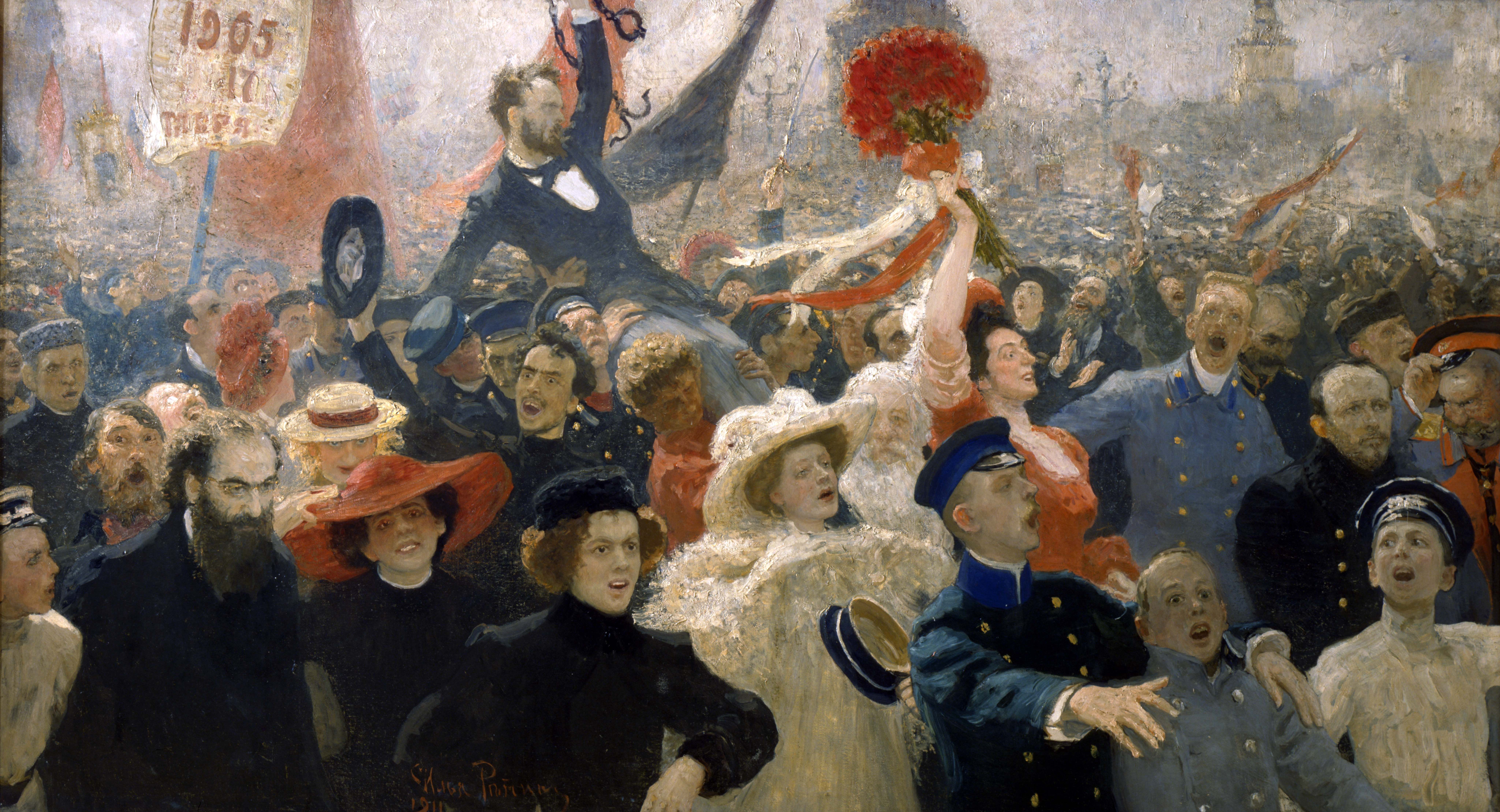
A general strike forced Nicholas II toward political concessions. The October Manifesto promised freedoms and an elected legislature, while leaving the struggle over power unresolved.
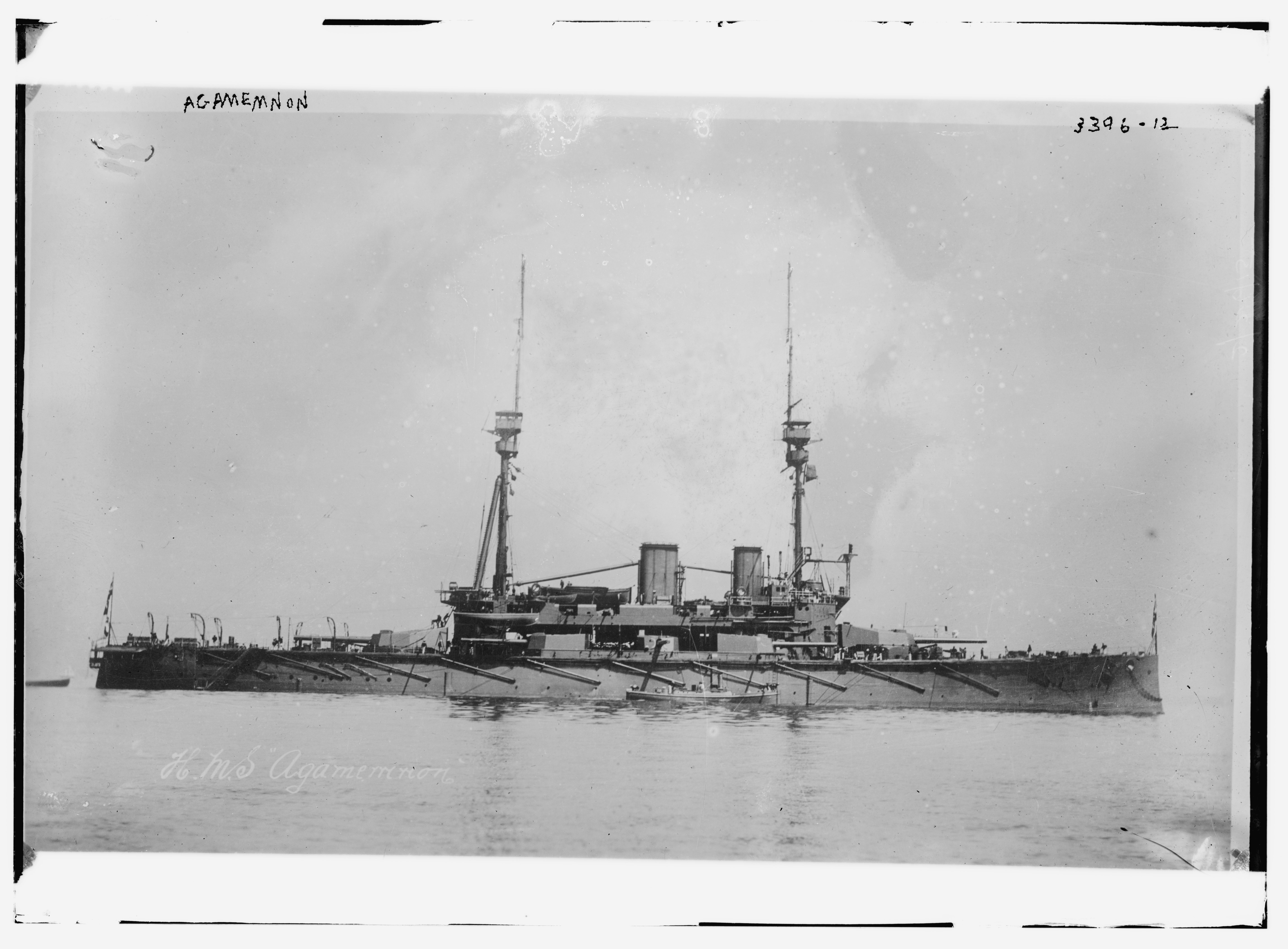
The Ottoman delegates signed on October 30; the ceasefire began the next day. Its sweeping terms stopped the fighting while leaving the empire’s future unresolved.
A UCLA programmer tried to log in to a distant computer. Two letters arrived before the system crashed; a successful connection followed that same evening.
The Geneva conference agreed on national relief committees, trained volunteers and a shared emblem. Binding protection under a treaty would follow in 1864.
The market fell again on October 29, 1929. The crash shattered confidence, but the banking failures that deepened the Depression unfolded over the following years.
Soviet troops attacked before dawn on November 4, 1956. Hungary’s government fell, but armed resistance, flight and public protest continued.
The 1920 election broadcast associated with KDKA joined engineering, newspaper reporting and a business plan to sell radio receivers.